Blog Topic: What is Oil Casing?
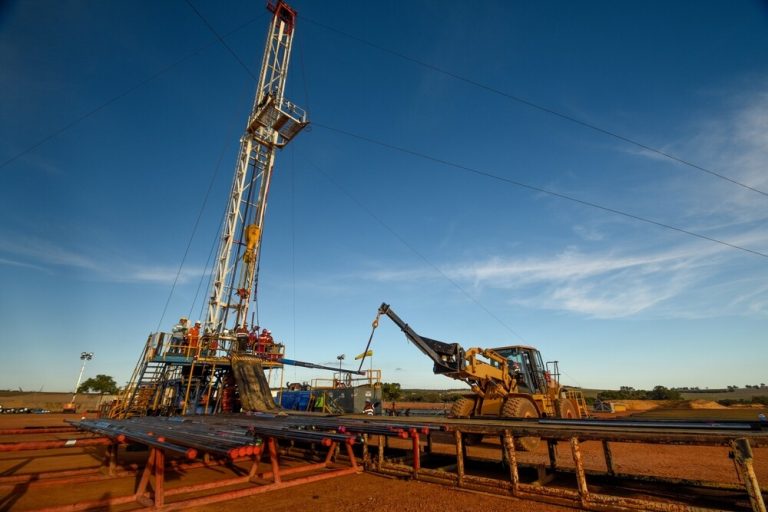
Oil casing plays a crucial role in the Oil and Gas industry, serving as a protective barrier and structural component in drilling operations. In this article, we will delve into the details of oil casing, exploring its purpose, types, and importance in the extraction of oil and gas.
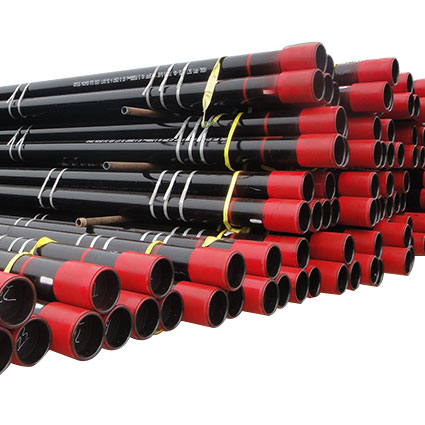
Oil casing, also known as Well Casing or Oil Well Casing, refers to the Pipe that is inserted into an oil well to provide stability and prevent the collapse of the wellbore. It serves as a conduit for the extraction of oil and gas from underground reservoirs to the surface. Oil casing is typically made of Steel, which offers excellent strength, durability, and Corrosion resistance.
API 5ct J55 CASING Best chinese FactoriesOne of the primary purposes of oil casing is to provide structural integrity to the wellbore. During the drilling process, the hole is vulnerable to collapse due to the pressure exerted by the surrounding formations. The casing helps to support the well walls and maintain the integrity of the hole, ensuring safe and efficient drilling operations.
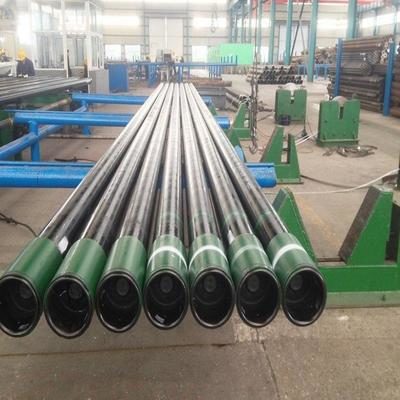
Casing Pipe,casing well pipe, casing supreme pipe, casing vs carrier pipe, casing for ac pipe, casing Steel Pipe, casing pipe size, casing pvc pipe Price, casing pipe, casing pipe Suppliers in china, casing capping pipe, casing drill pipe,carrier pipe,casing pipe size,bushing flange,bushing Sleeve,bushing,bushing arm,bushing bearing,bushing reducer,bushing tool,bushing pvc,bushing meaningMoreover, oil casing serves as a protective barrier that isolates the well from surrounding formations. This is crucial to prevent the contamination of groundwater and the migration of fluids between different layers of the subsurface. By isolating the well, oil casing helps ensure the safety and sustainability of the extraction process.
There are various types of oil casing used in the industry, each designed for specific applications and well conditions. The selection of casing depends on factors such as well depth, formation characteristics, and the presence of corrosive substances. Common types of oil casing include surface casing, intermediate casing, production casing, and liner.
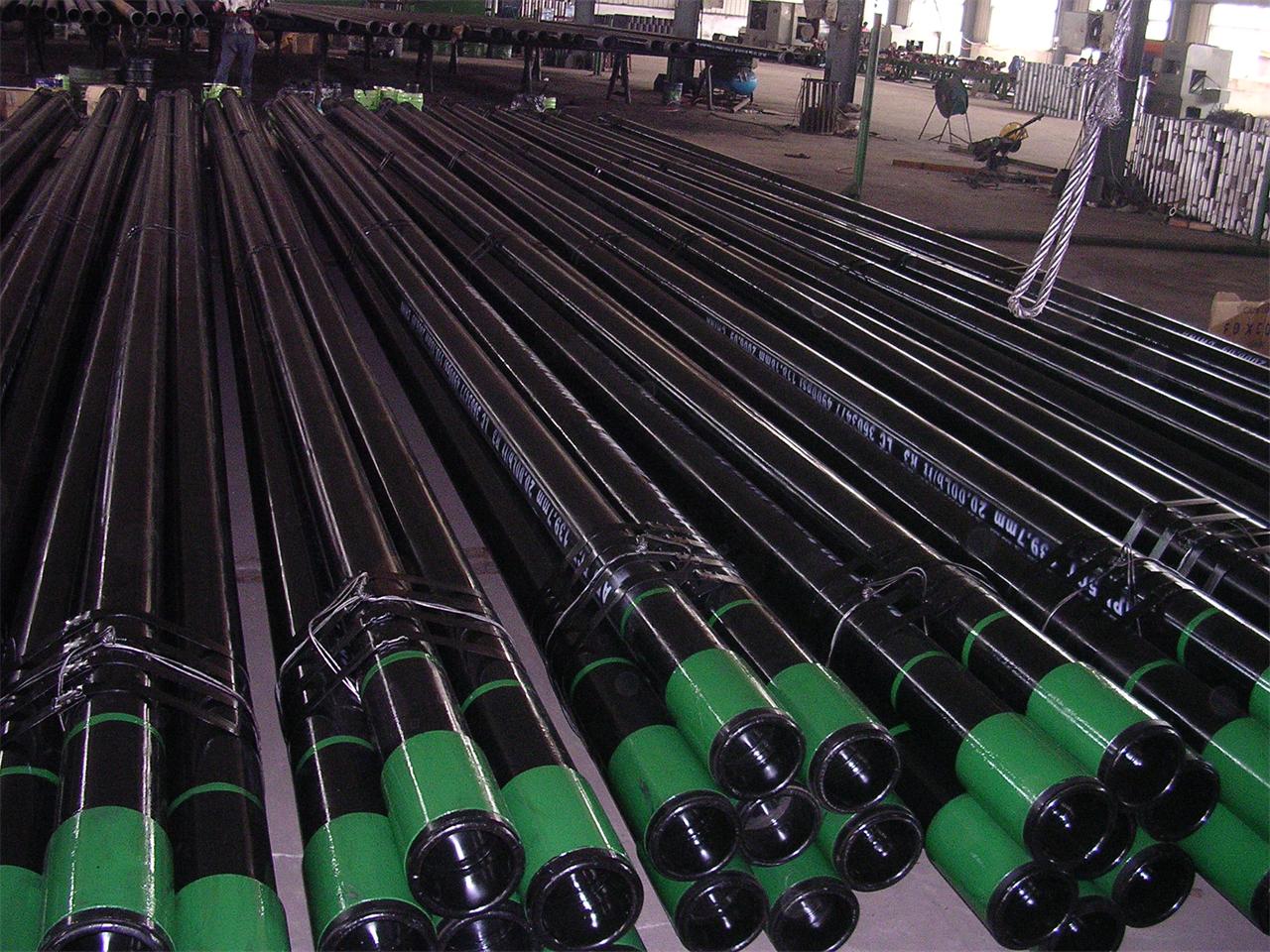
Surface casing is the first casing installed in the well and is set above the groundwater table. It provides stability and prevents the collapse of the upper section of the well. Intermediate casing is installed at greater depths to reinforce the wellbore and protect against pressure and fluid migration. Production casing is the final casing installed, and it facilitates the extraction of oil and gas from the reservoir.
Liner casing, on the other hand, is used to Repair or reinforce sections of the well that have been damaged or compromised. It is inserted into the wellbore and cemented in place, providing additional support and integrity to the well.
In conclusion, oil casing is an essential component in drilling operations, providing structural integrity and protection to oil wells. It ensures the stability of the wellbore, prevents collapse, and isolates the well from surrounding formations. With its various types and applications, oil casing plays a vital role in the extraction of oil and gas, ensuring the safety and sustainability of the process.