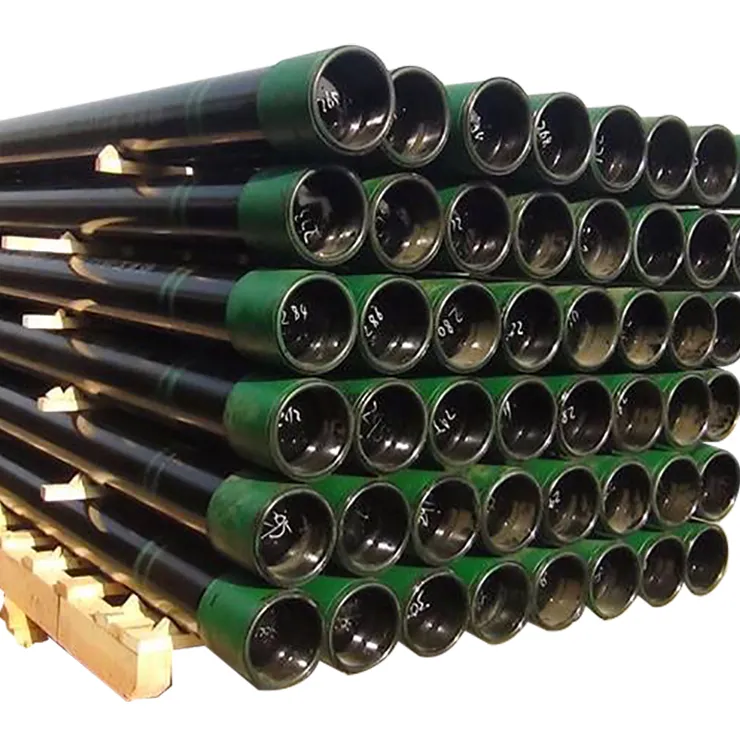
Oil Casing Industry Policy and Regional Development: A Comprehensive Overview
The oil casing industry plays a crucial role in the development of regions worldwide. Policies governing this industry have a significant impact on regional growth and economic stability. Understanding the relationship between oil casing industry policy and regional development is essential for policyMakers, industry stakeholders, and the general public.
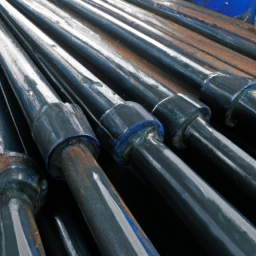
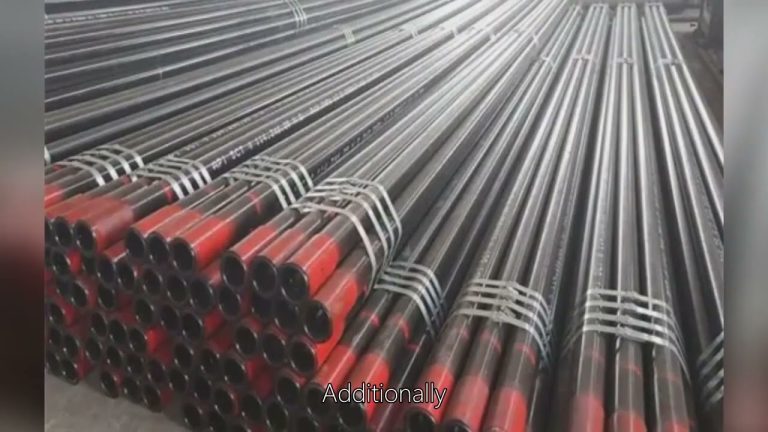
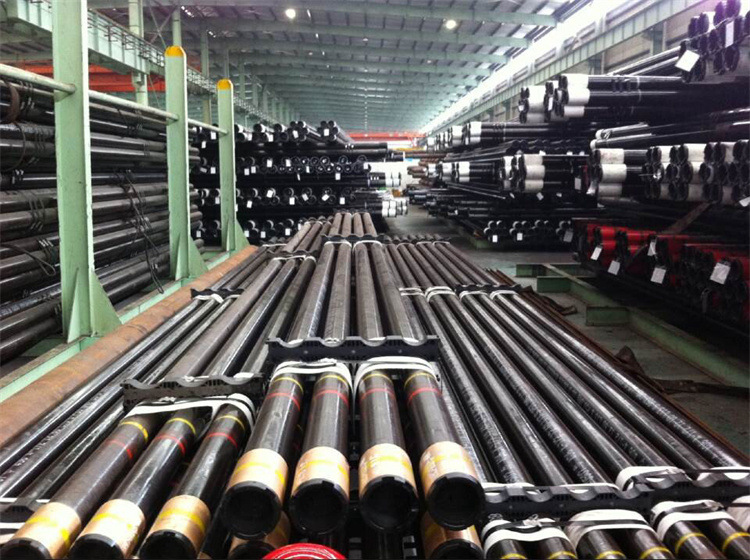
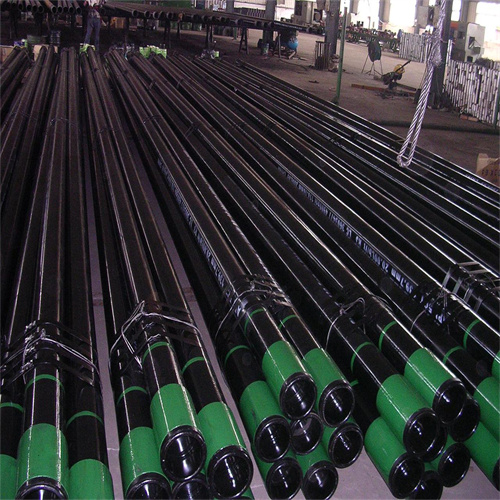
Steel Tubing chinese Best CompaniesOil casing serves as a critical component in the extraction and transportation of Oil and Gas resources. The quality of casing Materials, manufacturing standards, and regulatory frameworks directly influence the efficiency and safety of oil drilling operations. As such, government policies that regulate the oil casing industry play a vital role in ensuring environmental protection, worker safety, and overall operational integrity.
In many regions, the oil casing industry serves as a key driver of economic growth. The presence of oil drilling activities creates job opportunities, stimulates local businesses, and attracts investments in infrastructure development. However, the sustainability of these economic benefits depends on the effectiveness of industry policies in promoting responsible practices and mitigating negative externalities.
One of the primary challenges in the oil casing industry is balancing economic interests with environmental concerns. Policies that encourage innovation in casing technology, promote energy efficiency, and support sustainable practices can lead to long-term benefits for both the industry and the regions where drilling activities take place. By incentivizing the adoption of environmentally friendly practices, policymakers can foster a more sustainable and resilient oil casing industry.
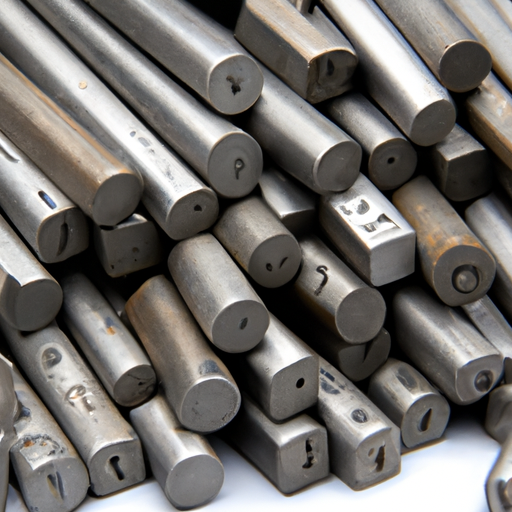
Regional development strategies often incorporate the oil casing industry as a key sector for growth. Governments may offer incentives such as tax breaks, subsidies, or infrastructure support to attract oil drilling companies and encourage local manufacturing of casing materials. These policies aim to create a conducive environment for industry players to thrive while also ensuring that the benefits of oil drilling activities are shared equitably among the local population.
The success of regional development initiatives tied to the oil casing industry hinges on effective policy implementation and monitoring. Regular assessments of industry practices, environmental impact studies, and stakeholder consultations are essential for evaluating the outcomes of policy interventions. By fostering transparency and accountability in the industry, policymakers can build trust among stakeholders and ensure that regional development goals are met sustainably.
In conclusion, the relationship between oil casing industry policy and regional development is complex and multifaceted. Effective policies can drive economic growth, promote environmental sustainability, and enhance the overall well-being of communities where oil drilling activities occur. By carefully designing and implementing policies that strike a balance between industry interests and public welfare, policymakers can harness the potential of the oil casing industry to contribute positively to regional development.