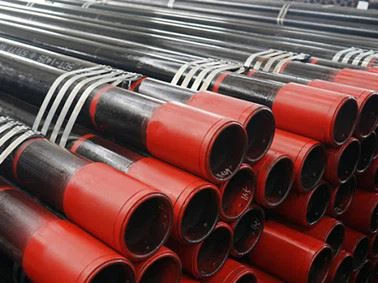
Supply and Demand Dynamics
The Oil Casing market, a critical component in the Oil and Gas industry, experiences Price oscillations influenced by various supply and demand dynamics. Understanding these factors is essential for stakeholders aiming to navigate the complexities of this market. At the core of these dynamics lies the fundamental economic principle of supply and demand, which dictates that prices fluctuate based on the availability of oil casings and the level of demand from producers. When demand for oil increases, driven by factors such as rising global consumption or geopolitical tensions that disrupt supply chains, the need for oil casings also escalates. This heightened demand can lead to increased prices, as Manufacturers may struggle to keep pace with the requirements of drilling operations.
Conversely, when there is an oversupply of oil casings, perhaps due to a slowdown in drilling activities or advancements in technology that reduce the need for traditional casings, prices may decline. This oversupply can occur during periods of economic downturn or when alternative energy sources gain traction, leading to reduced investment in oil exploration and production. As a result, the interplay between supply and demand creates a volatile environment where prices can swing dramatically in response to changing market conditions.
In addition to the basic supply and demand framework, external factors such as geopolitical events and regulatory changes also play a significant role in influencing the oil casing market. For instance, political instability in oil-producing regions can lead to supply disruptions, prompting a surge in demand for oil casings as Companies rush to secure their operations. Similarly, changes in regulations regarding drilling practices or environmental standards can impact the demand for specific types of casings, further contributing to price fluctuations. Stakeholders must remain vigilant to these external influences, as they can have immediate and far-reaching effects on market prices.
Moreover, technological advancements in drilling techniques and Materials can alter the landscape of the oil casing market. innovations that enhance the efficiency of drilling operations or improve the durability of casings can shift demand patterns, leading to price adjustments. For example, the introduction of composite materials may reduce the reliance on traditional Steel casings, thereby affecting the overall demand and pricing structure within the market. As companies adopt new technologies, the competitive landscape evolves, and this can lead to further oscillations in pricing as manufacturers adapt to changing consumer preferences.
Another critical aspect to consider is the role of inventory levels in the oil casing market. When manufacturers and Suppliers maintain high inventory levels, they may be able to stabilize prices during periods of fluctuating demand. However, if inventory levels are low, any sudden increase in demand can lead to sharp price hikes as suppliers scramble to meet the needs of the market. This relationship between inventory management and price stability underscores the importance of strategic planning for companies operating within the oil casing sector.
In conclusion, the oil casing market is subject to a myriad of factors that contribute to price oscillations, primarily driven by the dynamics of supply and demand. Geopolitical events, regulatory changes, technological advancements, and inventory levels all play crucial roles in sh APIng market conditions. As stakeholders navigate this complex landscape, a comprehensive understanding of these factors will be essential for making informed decisions and anticipating future market trends. By closely monitoring these dynamics, companies can better position themselves to respond to the inevitable fluctuations in the oil casing market.
Geopolitical Influences
The oil casing market, a critical component of the oil and gas industry, is subject to various price oscillations influenced by a multitude of factors. Among these, geopolitical influences play a significant role in shaping market dynamics. Geopolitical events, such as conflicts, trade agreements, and diplomatic relations, can create an environment of uncertainty that directly impacts oil prices and, consequently, the pricing of oil casing. For instance, when tensions arise in oil-rich regions, such as the Middle East, the potential for supply disruptions becomes a pressing concern for market participants. This uncertainty often leads to increased speculation and volatility in oil prices, which in turn affects the cost of Oil casing materials.
Moreover, the actions of major oil-producing nations, particularly tHose within the Organization of the Petroleum Exporting Countries (OPEC), can have profound implications for the oil casing market. OPEC’s decisions regarding production levels are often influenced by geopolitical considerations, such as maintaining market stability or responding to external pressures. When OPEC decides to cut production in response to geopolitical tensions, the resulting decrease in supply can lead to higher oil prices. This increase in oil prices typically translates to higher costs for oil casing, as manufacturers adjust their pricing strategies to reflect the changing market conditions.
In addition to OPEC, the geopolitical landscape is further complicated by the actions of non-OPEC countries, such as the United States and Russia. The U.S. has emerged as a significant player in the global oil market due to its shale oil production, which has been influenced by both domestic policies and international relations. For example, sanctions imposed on countries like Iran can lead to shifts in global oil supply, affecting prices and, consequently, the oil casing market. Similarly, Russia’s involvement in geopolitical conflicts can create ripple effects that impact oil prices, as the country is one of the largest oil producers in the world. These dynamics illustrate how the interplay between various nations can lead to fluctuations in oil prices, which are directly correlated with the pricing of oil casing.
Furthermore, the impact of geopolitical influences extends beyond immediate supply and demand dynamics. Long-term investments in oil infrastructure, including oil casing, are often contingent upon the stability of geopolitical environments. Investors and companies are more likely to commit capital to projects in regions perceived as stable and secure. Conversely, areas marked by political instability or conflict may deter investment, leading to reduced demand for oil casing and subsequent price declines. This relationship underscores the importance of geopolitical stability in fostering a conducive environment for investment in the oil sector.
Additionally, the rise of renewable energy sources and the global push for sustainability have introduced new geopolitical dimensions to the oil market. As countries strive to reduce their dependence on fossil fuels, the demand for oil and its associated products, including oil casing, may experience shifts. Geopolitical considerations surrounding energy transition policies can influence market perceptions and pricing strategies, further complicating the landscape for oil casing Manufacturers.
In conclusion, the oil casing market is intricately linked to geopolitical influences that shape price oscillations. From the actions of OPEC and non-OPEC countries to the broader implications of geopolitical stability and energy transition policies, these factors create a complex web of interactions that ultimately determine market dynamics. Understanding these influences is essential for stakeholders in the oil casing industry, as they navigate the challenges and opportunities presented by an ever-evolving geopolitical landscape.
Technological Advancements in Extraction
The oil casing market is significantly influenced by various factors, one of which is the technological advancements in extraction methods. As the demand for oil contiNues to rise, the industry has been compelled to innovate and adopt new technologies that enhance extraction efficiency and reduce costs. These advancements not only impact the operational aspects of oil extraction but also play a crucial role in shaping market prices. For instance, the introduction of hydraulic fracturing and horizontal drilling has revolutionized the way oil is extracted from shale formations. These techniques allow for the extraction of oil from previously inaccessible reserves, thereby increasing supply and potentially leading to price fluctuations in the market.
Moreover, the development of advanced materials for oil casing has also contributed to price oscillations. The use of high-strength steel and composite materials has improved the durability and reliability of oil casings, which in turn reduces the risk of failures during extraction. This enhancement in safety and efficiency can lead to lower operational costs for oil companies, allowing them to offer competitive pricing in the market. As companies invest in these advanced materials, the initial costs may be high, but the long-term savings and increased production capabilities can lead to a more stable pricing environment.
In addition to material advancements, automation and digital technologies have begun to play a pivotal role in the oil extraction process. The integration of data analytics, artificial intelligence, and machine learning into extraction operations has enabled companies to optimize their processes, predict equipment failures, and enhance decision-making. This shift towards automation not only improves efficiency but also reduces labor costs, which can influence the overall pricing structure of oil casing. As companies become more adept at utilizing these technologies, they may experience a decrease in production costs, which could lead to lower prices in the oil casing market.
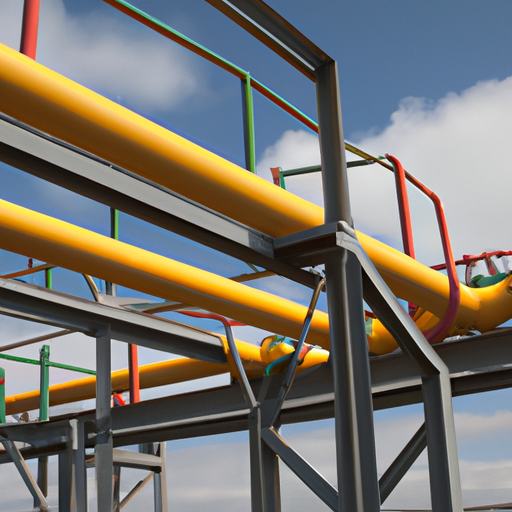
Furthermore, the global nature of the oil market means that technological advancements in one region can have ripple effects worldwide. For example, if a country develops a new extraction technology that significantly lowers production costs, it can lead to increased competition in the global market. This heightened competition may force other countries to adopt similar technologies or risk losing their market share, thereby contributing to price volatility. As countries strive to remain competitive, the rapid pace of technological change can create an environment where prices fluctuate based on the latest innovations.
Additionally, regulatory changes and environmental considerations are increasingly influencing technological advancements in the oil industry. Stricter regulations aimed at reducing environmental impact have prompted companies to invest in cleaner and more efficient extraction technologies. While these investments may initially drive up costs, the long-term benefits of sustainable practices can lead to a more stable market. As companies adapt to these regulations, the interplay between compliance costs and technological efficiency can further contribute to price oscillations in the oil casing market.
PETROLEUM Casing Pipe china Best Manufacturers
In conclusion, the oil casing market is subject to various influences, with technological advancements in extraction playing a significant role. The introduction of innovative extraction methods, advanced materials, automation, and the impact of global competition all contribute to the dynamic nature of market prices. As the industry continues to evolve, the interplay between technology and market forces will remain a critical factor in understanding the oscillations in oil casing Prices.