Steel Casing Pipes: Properties and Applications in Well Construction
Steel Casing Pipes: Properties and Applications in Well Construction
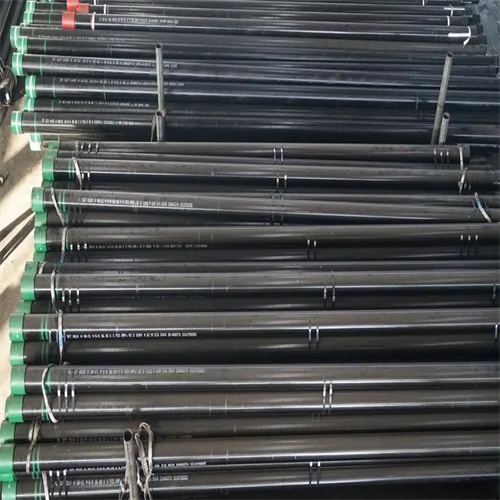
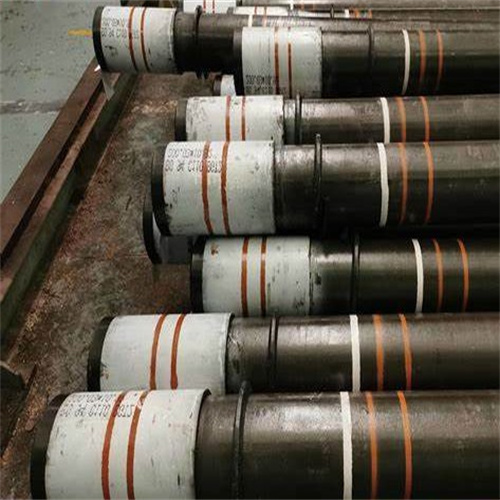
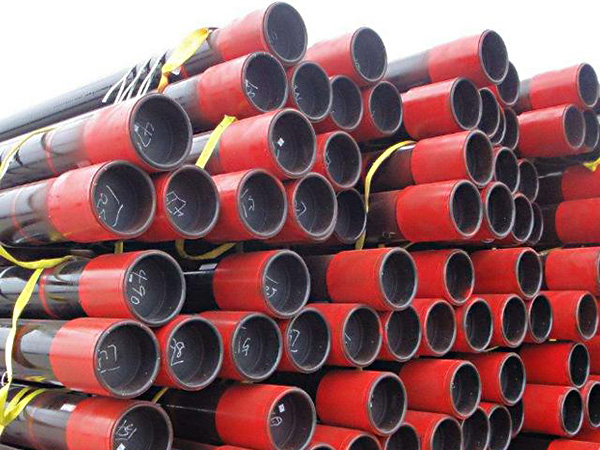
Steel casing Pipes play a pivotal role in ensuring the integrity and longevity of wells across various industries, from Oil and Gas extraction to water supply systems. These pipes are meticulously designed to withstand challenging environments and provide crucial support to well structures, safeguarding against geological pressures and ensuring efficient fluid transport.
One of the primary requirements for Well Casing pipes is durability under harsh conditions. Steel emerges as a preferred Material due to its exceptional strength and resilience. Typically made from Carbon steel or alloy steel, these pipes are engineered to endure high pressures, corrosion, and mechanical stress over extended periods. This robustness makes them ideal for drilling deep into the earth where they must withstand the Weight of overlying rock formations and the pressure of fluids being extracted or injected.
In addition to durability, steel casing pipes offer versatility in terms of customization and installation. They come in various Diameters and thicknesses to accommodate different well designs and geological conditions. The manufacturing process ensures precise dimensions and uniformity, crucial for maintaining wellbore stability and preventing fluid Leakage.
Furthermore, steel casing pipes are compatible with a wide range of completion techniques and Cementing processes. Their Smooth surface facilitates efficient cement bonding, which is essential for isolating different geological zones and preventing fluid migration between formations. This capability not only enhances well integrity but also contributes to environmental protection by minimizing the risk of groundwater contamination.
Beyond their structural benefits, steel casing pipes contribute to operational efficiency and cost-effectiveness in well construction. Their High strength-to-weight ratio allows for deeper and safer drilling operations, reducing the need for frequent Maintenance and replacement. This reliability translates into lower operational downtime and higher productivity in extracting valuable resources or providing essential water supplies.
Moreover, steel casing pipes are engineered to meet stringent industry standards and regulatory requirements. Manufacturers adhere to rigorous quality control measures to ensure consistent performance and reliability in demanding applications. This commitment to excellence underscores the importance of choosing the right materials for well casing to mitigate risks and ensure long-term operational success.
In practical terms, the application of steel casing pipes extends across various sectors. In oil and gas exploration, these pipes facilitate the extraction of hydrocarbons from deep reservoirs while maintaining wellbore stability and protecting against formation collapse. In water wells, they ensure the delivery of clean and safe water by preventing contamination and maintaining hydraulic integrity.
The versatility of steel casing pipes also extends to environmental applications, such as geothermal drilling and underground storage projects. Their ability to withstand high temperatures and chemical exposure makes them suitable for accessing renewable energy sources and storing hazardous substances securely.
In conclusion, steel casing pipes represent the pinnacle of engineering excellence in well construction. Their superior durability, customization options, and compatibility with complex completion processes make them indispensable in modern drilling operations. Whether in oil fields, water wells, or environmental projects, these pipes contiNue to set the standard for reliability and performance. As technology advances and global demand for resources grows, steel casing pipes will remain at the forefront of innovation, ensuring sustainable and efficient utilization of our planet’s natural resources.
PVC Casing: Advantages and Considerations for Well Casing
In the realm of well construction, selecting the appropriate casing material is paramount to ensuring the longevity, efficiency, and safety of the well. PVC (Polyvinyl Chloride) has emerged as a popular choice for well casing due to its unique set of advantages and considerations that align closely with the demanding requirements of well construction.
steel piping Best china FactoriesPVC casing pipes offer several key advantages that make them well-suited for well casing applications. Firstly, PVC pipes are renowned for their durability and resistance to corrosion. Unlike metal pipes, which can be susceptible to rust and chemical degradation over time, PVC remains unaffected by the corrosive properties of groundwater and various chemicals typically encountered in well environments. This Corrosion resistance translates into a longer service life for PVC casing, reducing maintenance costs and operational disruptions associated with pipe degradation.
Moreover, PVC pipes are lightweight yet robust, facilitating easier handling and installation compared to heavier materials like steel. This characteristic not only simplifies the construction process but also reduces labor costs and equipment requirements during installation. The flexibility of PVC pipes allows them to adapt to ground movements and settleings without compromising structural integrity, ensuring continued reliable performance over the years.
Another significant advantage of PVC casing is its smooth interior surface. This smoothness minimizes frictional losses and prevents sediment buildup inside the pipe, which can impede water flow and diminish well efficiency over time. By maintaining optimal flow rates, PVC casing contributes to the overall productivity of the well and enhances its operational efficiency.
In addition to these operational benefits, PVC casing is also valued for its cost-effectiveness. PVC pipes are generally more affordable than alternative materials such as Stainless Steel or fiberglass, making them a preferred choice for budget-conscious well constructors without sacrificing performance or longevity. The lower material costs combined with reduced installation expenses further enhance the economic viability of using PVC casing in well construction projects.
However, despite its numerous advantages, PVC casing does come with certain considerations that must be taken into account. One of the primary considerations is the depth limitation imposed by PVC’s structural capabilities. While PVC pipes are suitable for most shallow to moderate-depth wells, deeper wells or wells subjected to high pressures may require stronger materials such as steel casing to withstand the immense forces exerted at greater depths.
Furthermore, the thermal expansion characteristics of PVC should be carefully managed, especially in regions experiencing extreme temperature variations. Proper installation techniques, including allowances for expansion and contraction, are essential to prevent potential deformation or failure of the casing over time.
Environmental factors also play a role in the suitability of PVC casing. While PVC itself is inert and non-toxic, the production and disposal of PVC materials can have environmental implications. Responsible sourcing and recycling practices can mitigate these concerns and contribute to sustainable well construction practices.
In conclusion, PVC casing offers a compelling combination of durability, corrosion resistance, ease of installation, and cost-effectiveness that aligns closely with the requirements of well casing. Its smooth interior surface promotes efficient water flow, while its lightweight nature reduces installation complexities and costs. However, project-specific considerations such as depth limitations and thermal expansion characteristics must be carefully evaluated to ensure the optimal performance and longevity of PVC casing in well construction. By understanding these advantages and considerations, stakeholders can make informed decisions that enhance the reliability and efficiency of well systems for years to come.