**Innovative Materials for Oil Casing**
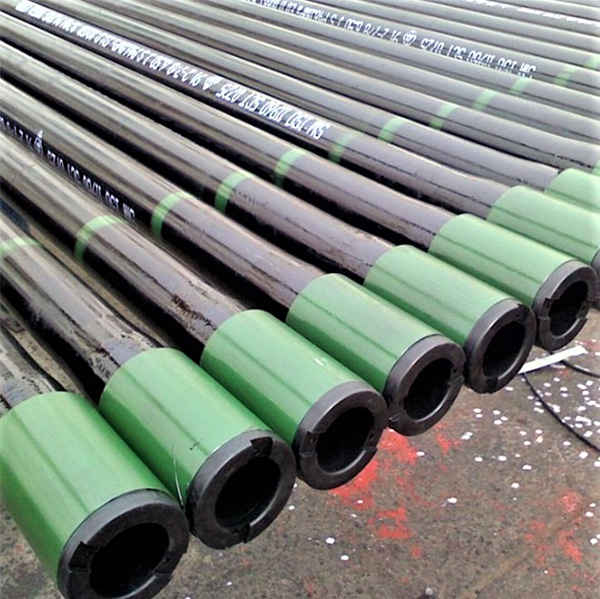
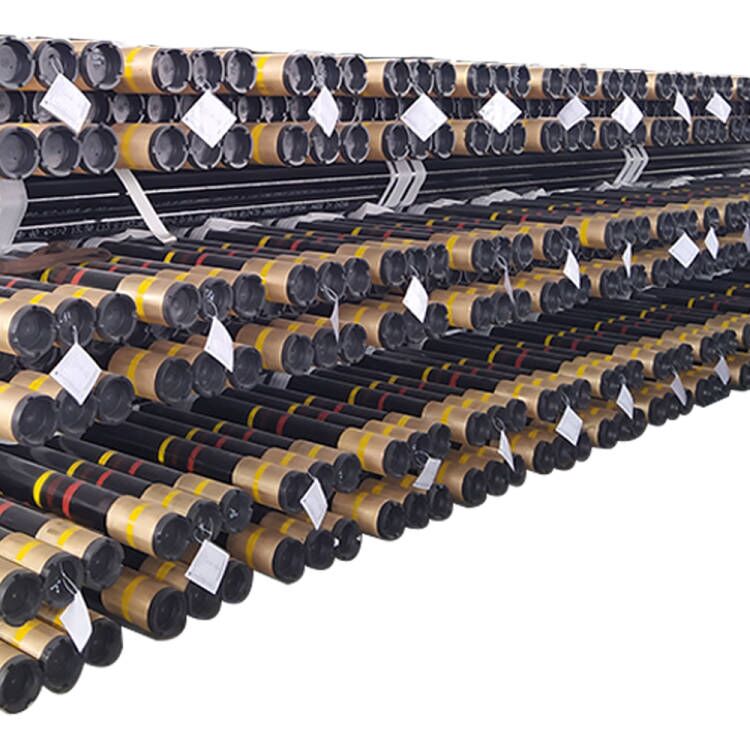
The Oil and Gas industry has long relied on the integrity and durability of oil casing to ensure the safe and efficient extraction of hydrocarbons from beneath the Earth’s surface. As exploration and production activities contiNue to advance into more challenging environments, the need for innovative materials in oil casing has become increasingly critical. Traditional materials, primarily Carbon Steel, have served the industry well for decades; however, they often fall short in extreme conditions characterized by high pressures, corrosive environments, and elevated temperatures. Consequently, the development of advanced materials has emerged as a focal point for enhancing the performance and longevity of oil casing.
 One of the most promising advancements in Oil casing materials is the introduction of high-strength, corrosion-resistant alloys. These alloys, which often incorporate elements such as nickel, chromium, and molybdenum, are engineered to withstand the harsh conditions encountered in deep-water drilling and unconventional resource extraction. The enhanced mechanical properties of these materials not only improve their resistance to deformation under stress but also significantly reduce the risk of failure due to corrosion. This is particularly important in environments where hydrogen sulfide and carbon dioxide are present, as these compounds can lead to sulfide stress cracking and other forms of degradation in traditional steel casings.
In addition to metallic alloys, composite materials are gaining traction in the oil casing sector. Composites, which typically consist of a polymer matrix reinforced with fibers such as glass or carbon, offer a unique combination of lightWeight properties and exceptional strength. The use of composites in oil casing can lead to reduced overall weight, which is advantageous for transportation and installation, particularly in remote or offshore locations. Furthermore, composites exhibit excellent resistance to chemical attack, making them suitable for use in environments where traditional materials would quickly succumb to corrosion. As research and development in this area continue to progress, the potential for composites to revolutionize oil casing applications becomes increasingly apparent.
Another innovative approach involves the use of advanced coatings and surface treatments to enhance the performance of existing casing materials. These coatings can provide an additional layer of protection against corrosion, abrasion, and other forms of wear, thereby extending the service life of the casing. Techniques such as thermal spraying, electroplating, and chemical vapor deposition are being explored to create coatings that can withstand the rigors of downhole conditions. By applying these advanced coatings to traditional steel casings, operators can achieve a significant improvement in durability without the need for entirely new materials.
Moreover, the integration of smart technologies into oil casing is an emerging trend that holds great promise for the future of the industry. Smart casing systems equipped with sensors can monitor various parameters, such as temperature, pressure, and corrosion rates, in real-time. This data can be invaluable for operators, allowing them to make informed decisions regarding Maintenance and intervention strategies. By leveraging the insights gained from these smart systems, Companies can optimize their operations, reduce downtime, and enhance safety measures.
https://youtube.com/watch?v=t4JR3TPOt7g
TubingIn conclusion, the challenges faced by the oil and gas industry necessitate a shift towards innovative materials for oil casing. The development of high-strength alloys, the adoption of composite materials, the application of advanced coatings, and the integration of smart technologies represent significant strides in addressing the limitations of traditional casing materials. As the industry continues to evolve, these advancements will play a crucial role in ensuring the safe and efficient extraction of resources, ultimately contributing to the sustainability and resilience of energy production in the years to come.