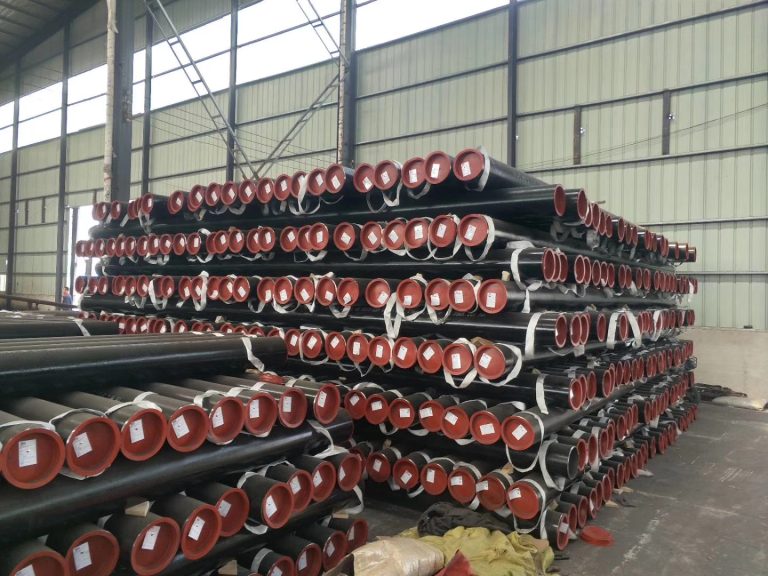
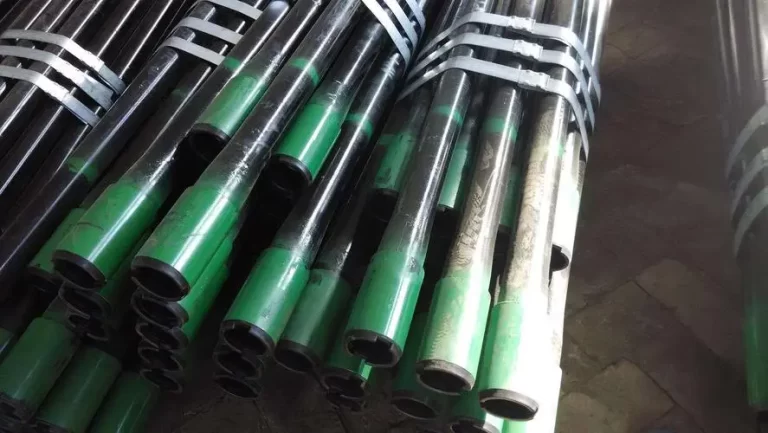
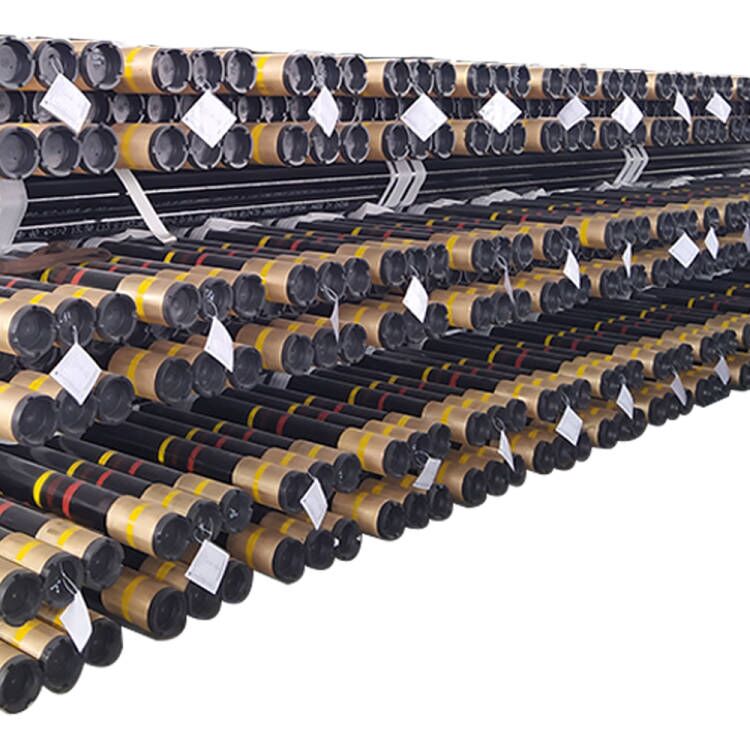
Key Traits of Oil Casing Materials
When it comes to the Oil and Gas industry, the selection of casing materials is a critical decision that can significantly impact the success and safety of drilling operations. Oil casing materials must possess specific traits to withstand the harsh conditions encountered during drilling and production. One of the primary traits is strength, as the casing must endure high pressures and mechanical stresses while maintaining structural integrity. The ability to resist deformation under load is essential, as any failure in the casing can lead to catastrophic consequences, including blowouts or contamination of groundwater.
In addition to strength, Corrosion resistance is another vital characteristic of oil casing materials. The environment in which these materials operate often contains corrosive substances, such as hydrogen sulfide and carbon dioxide, which can lead to r APId degradation of the casing. Therefore, materials that exhibit excellent resistance to corrosion, such as certain alloys and coatings, are preferred. This resistance not only extends the lifespan of the casing but also ensures the safety and reliability of the entire drilling operation.
Another important trait is the material’s ability to withstand extreme temperatures. During drilling, the temperature can vary significantly, and the casing must be able to maintain its properties under both high and low-temperature conditions. This thermal stability is crucial for preventing failures that could arise from thermal expansion or contraction. Consequently, materials that can maintain their mechanical properties across a wide temperature range are highly sought after in the industry.
oil Carry Case SmallFurthermore, the ease of installation and handling is a practical consideration when selecting oil casing materials. The materials must be lightWeight enough to facilitate transportation and installation while still providing the necessary strength and durability. This balance between weight and performance is essential, as it can affect the overall efficiency of the drilling operation. Additionally, the compatibility of the casing materials with existing equipment and technologies is a factor that cannot be overlooked, as it can influence the overall cost and feasibility of the project.
Moreover, the economic aspect of casing materials plays a significant role in the decision-making process. While high-performance materials may offer superior traits, they often come with a higher Price tag. Therefore, operators must weigh the long-term benefits of using advanced materials against the initial costs. This economic analysis often leads to the selection of materials that provide a balance between performance and cost-effectiveness, ensuring that the project remains within budget while still meeting safety and operational standards.
In conclusion, the selection of oil casing materials is a multifaceted decision that hinges on several key traits, including strength, corrosion resistance, thermal stability, ease of installation, and economic viability. Each of these characteristics plays a crucial role in ensuring the safety and efficiency of drilling operations. As the industry contiNues to evolve, advancements in material science may lead to the development of new casing materials that further enhance performance and reliability. Ultimately, the careful consideration of these traits will enable operators to make informed decisions that contribute to the success of their drilling endeavors.
Selection Criteria for Oil Casing Materials
The selection of oil casing materials is a critical aspect of the oil and gas industry, as it directly impacts the safety, efficiency, and longevity of drilling operations. When choosing the appropriate casing material, several key criteria must be considered to ensure optimal performance under various environmental conditions. One of the primary factors is the mechanical strength of the material, which must withstand the high pressures and stresses encountered during drilling and production. The casing must be robust enough to prevent collapse and maintain structural integrity throughout its operational life.
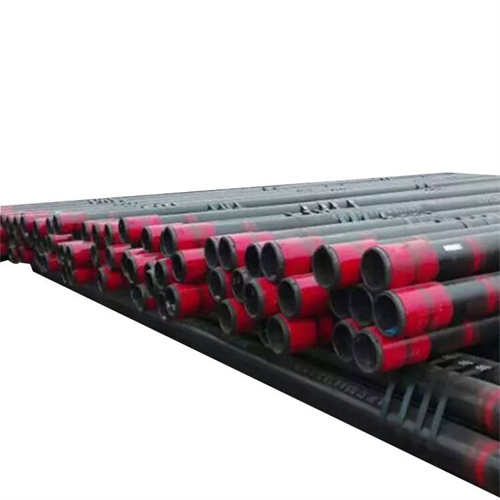
In addition to mechanical strength, corrosion resistance is another vital criterion. oil and gas wells are often exposed to harsh environments, including corrosive fluids and gases that can lead to material degradation over time. Therefore, selecting materials that can resist corrosion is essential for minimizing Maintenance costs and extending the lifespan of the casing. Common materials used in oil casing include Carbon Steel and various alloys, each offering different levels of resistance to corrosion and wear.
Furthermore, the thermal properties of the casing material play a significant role in its selection. During drilling operations, temperature fluctuations can occur, and the casing must be able to withstand these changes without compromising its structural integrity. Materials with good thermal conductivity can help dissipate heat, reducing the risk of thermal stress and potential failure. Consequently, understanding the thermal environment of the well is crucial in selecting the appropriate casing material.
Another important consideration is the compatibility of the casing material with the fluids present in the well. Different formations may contain various types of hydrocarbons, water, and other chemicals that can interact with the casing material. Therefore, it is essential to evaluate the chemical compatibility of the selected material to prevent adverse reactions that could lead to failure. This evaluation often involves conducting laboratory tests to simulate the conditions the casing will face in the field.
Moreover, the cost of the casing material is a practical consideration that cannot be overlooked. While high-performance materials may offer superior properties, they often come at a premium price. Therefore, a balance must be struck between performance and cost-effectiveness. This balance is particularly important in large-scale drilling operations, where material costs can significantly impact the overall budget.
In addition to these technical factors, regulatory compliance is another critical aspect of the selection process. The oil and gas industry is subject to stringent regulations that govern the materials used in drilling operations. Ensuring that the selected casing materials meet these regulatory standards is essential for avoiding legal issues and ensuring the safety of operations.
Finally, the ease of installation and availability of the casing material should also be considered. Materials that are readily available and easy to work with can streamline the drilling process and reduce downtime. This aspect is particularly important in remote locations where logistical challenges may arise.
In conclusion, the selection of oil casing materials involves a comprehensive evaluation of various criteria, including mechanical strength, corrosion resistance, thermal properties, chemical compatibility, cost, regulatory compliance, and ease of installation. By carefully considering these factors, operators can make informed decisions that enhance the safety and efficiency of their drilling operations, ultimately contributing to the success of their projects in the competitive oil and gas industry.