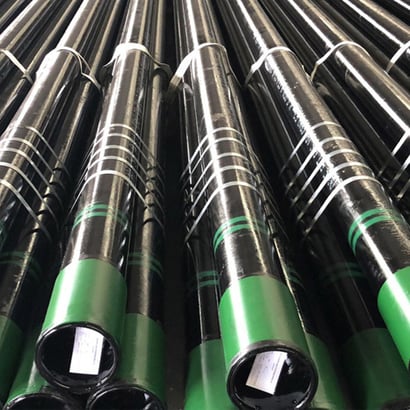
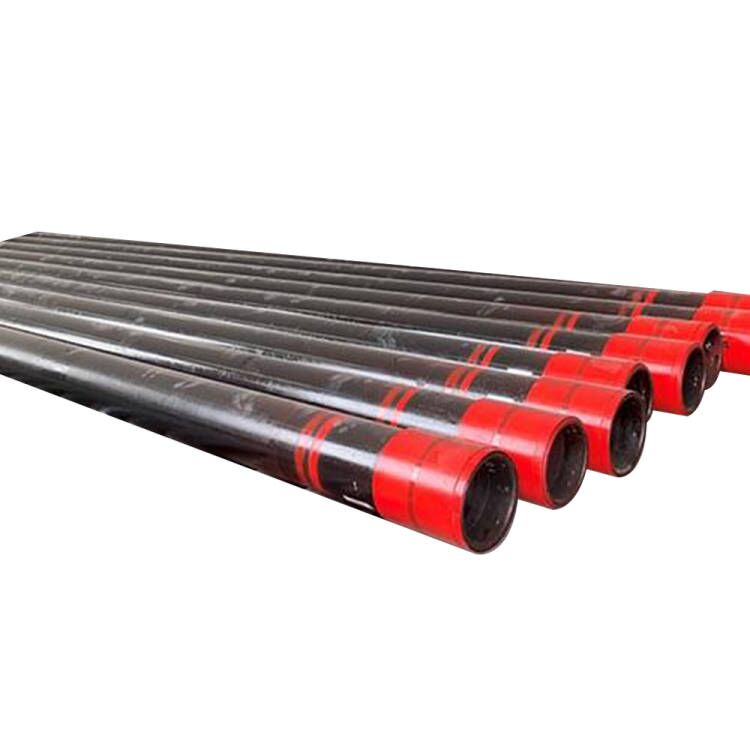
Enhanced Corrosion resistance Techniques in Oil Casing Technology
Oil casing technology plays a crucial role in the Oil and Gas industry, providing structural support and protection for wells. In an era marked by r APId technological advancements, the challenges and opportunities in oil casing technology have become increasingly significant. One of the key areas of focus in this field is enhancing corrosion resistance techniques to ensure the longevity and efficiency of oil casing systems.
Corrosion poses a major threat to oil casing integrity, leading to structural failures and environmental hazards. To address this challenge, researchers and industry experts have been exploring innovative techniques to enhance the corrosion resistance of Oil casing Materials. One promising approach involves the use of advanced coatings and surface treatments that create a protective barrier against corrosive elements.
Nano-coatings, for example, have shown great potential in improving the corrosion resistance of oil casing materials. By applying nano-scale coatings to the surface of casings, researchers can effectively reduce the impact of corrosive agents and extend the lifespan of the equipment. These coatings not only provide a physical barrier but also offer chemical protection, making them a valuable tool in combating corrosion.
In addition to coatings, alloy development plays a crucial role in enhancing corrosion resistance in oil casing technology. By carefully selecting and designing alloy compositions, engineers can create materials that are inherently resistant to corrosion. high-performance alloys, such as Stainless Steels and nickel-based alloys, have been instrumental in improving the durability and reliability of oil casing systems.
Furthermore, the integration of corrosion monitoring systems has become increasingly important in the oil and gas industry. These systems utilize advanced sensors and data analytics to continuously monitor the condition of oil casing materials and detect early signs of corrosion. By implementing real-time monitoring solutions, operators can proactively address corrosion issues and prevent costly downtime.
Another emerging trend in oil casing technology is the use of composite materials to enhance corrosion resistance. Composites offer a lightWeight and durable alternative to traditional metal casings, with the added benefit of improved resistance to corrosion and wear. By leveraging the unique properties of composite materials, engineers can design casing systems that are better equipped to withstand harsh operating conditions.
 In conclusion, the field of oil casing technology is undergoing a period of rapid evolution, driven by the need for enhanced corrosion resistance and durability. Through the adoption of advanced coatings, alloy development, corrosion monitoring systems, and composite materials, industry professionals are paving the way for more resilient and sustainable oil casing solutions. By staying at the forefront of innovation and embracing new technologies, the oil and gas industry can overcome the challenges posed by corrosion and unlock new opportunities for growth and efficiency.
Integration of IoT and Data Analytics for Improved Monitoring and Maintenance
In the realm of oil casing technology, the integration of IoT (Internet of Things) and data analytics has emerged as a pivotal advancement, offering a transformative approach to monitoring and maintenance practices. This integration represents a significant shift in the industry, providing oil Companies with unprecedented insights and capabilities to enhance operational efficiency and mitigate risks.
One of the key challenges that oil casing technology faces is the need for real-time monitoring and predictive maintenance. Traditional methods often fall short in providing timely and accurate data on the condition of oil casings, leading to potential failures and costly downtime. By leveraging IoT devices and sensors, companies can now collect a wealth of real-time data on various parameters such as temperature, pressure, and corrosion levels. This data can be analyzed using advanced data analytics techniques to predict potential issues before they escalate, enabling proactive maintenance strategies.
Moreover, the integration of IoT and data analytics enables remote monitoring of oil casing assets, reducing the need for manual inspections and onsite personnel. This not only improves operational efficiency but also enhances safety by minimizing human exposure to hazardous environments. By utilizing IoT-enabled devices, companies can monitor the health and performance of oil casings from a centralized location, allowing for quick decision-making and response to any anomalies detected.
10 inch Well Casing
Furthermore, data analytics plays a crucial role in optimizing maintenance schedules and resource allocation. By analyzing historical data and performance trends, companies can identify patterns and correlations that can help in predicting the remaining useful life of oil casings. This predictive maintenance approach allows for targeted interventions and resource allocation, ultimately reducing maintenance costs and extending the lifespan of assets.
In addition to predictive maintenance, IoT integration offers opportunities for condition-based monitoring, where sensors continuously monitor the health of oil casings and trigger alerts when predefined thresholds are exceeded. This proactive approach enables companies to address potential issues before they lead to catastrophic failures, thereby minimizing downtime and maximizing operational uptime.
Overall, the integration of IoT and data analytics in oil casing technology presents a paradigm shift in the industry, offering new insights and opportunities for improved monitoring and maintenance practices. By harnessing the power of real-time data and predictive analytics, companies can enhance operational efficiency, reduce risks, and optimize resource utilization in an era of innovation and technological advancement.
Sustainable Materials and Manufacturing processes for Oil Casing Innovation
Oil casing technology plays a crucial role in the oil and gas industry, providing structural support and protection for wells during drilling and production operations. In today’s era of innovation, the challenges and opportunities in oil casing technology are evolving rapidly, driven by the need for sustainable materials and manufacturing processes.
One of the key challenges in oil casing technology is the demand for materials that can withstand harsh downhole conditions while also being environmentally friendly. Traditional materials like Carbon steel have been the go-to choice for casing due to their strength and durability. However, these materials can be prone to corrosion and degradation over time, leading to costly maintenance and replacement.
To address these challenges, the industry is exploring the use of advanced materials such as corrosion-resistant alloys and composites. These materials offer improved resistance to corrosion and erosion, extending the lifespan of casing components and reducing the environmental impact of drilling operations. By incorporating sustainable materials into oil casing design, operators can enhance the reliability and longevity of wells while minimizing their carbon footprint.
In addition to material selection, manufacturing processes play a critical role in the development of innovative oil casing solutions. Traditional manufacturing methods often involve high energy consumption and waste generation, contributing to the industry’s environmental footprint. To overcome these challenges, Manufacturers are adopting advanced manufacturing techniques such as additive manufacturing (3D printing) and automated machining.
Additive manufacturing allows for the production of complex geometries with reduced material waste, leading to more efficient and sustainable casing designs. By leveraging automation and robotics in machining processes, manufacturers can improve precision and consistency while minimizing energy consumption and emissions. These advancements in manufacturing technology are revolutionizing the way oil casing components are produced, making them more cost-effective and environmentally friendly.
Furthermore, the integration of digital technologies such as IoT sensors and data analytics is enabling real-time monitoring and predictive maintenance of oil casing systems. By collecting and analyzing data on casing performance, operators can identify potential issues before they escalate, reducing downtime and enhancing operational efficiency. This proactive approach to maintenance not only improves safety and reliability but also contributes to the overall sustainability of drilling operations.
In conclusion, the challenges and opportunities in oil casing technology are closely intertwined with the industry’s transition towards sustainable practices. By embracing innovative materials, manufacturing processes, and digital technologies, the oil and gas sector can overcome existing challenges and unlock new possibilities for efficient and environmentally conscious drilling operations. The future of oil casing technology lies in continuous innovation and collaboration across the value chain to drive positive change in the energy industry.