Understanding the Causes and Impacts of Intermediate Casing Wear in Ultra-Deep Wells
Intermediate casing wear in ultra-deep wells is a significant concern in the Oil and Gas industry. This phenomenon, which can lead to catastrophic failures and substantial financial losses, is a complex issue that requires a comprehensive understanding of its causes and impacts.
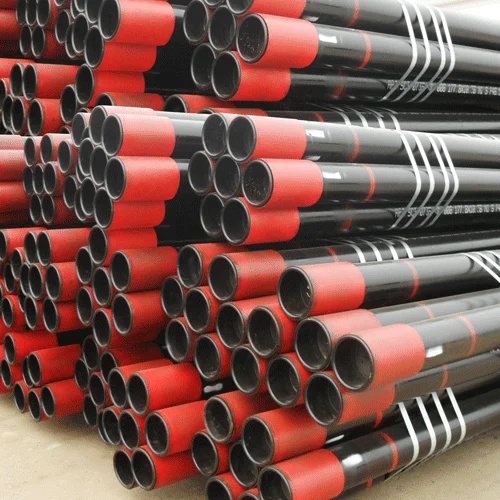
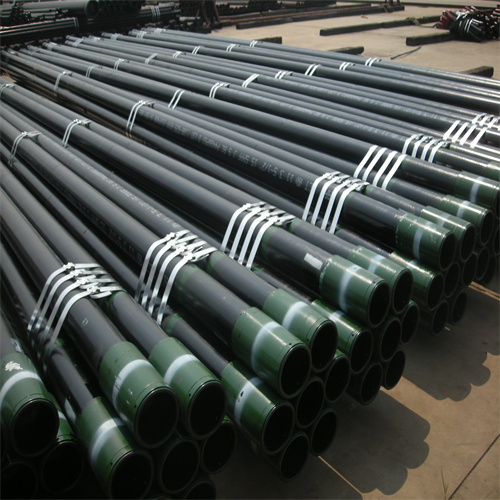
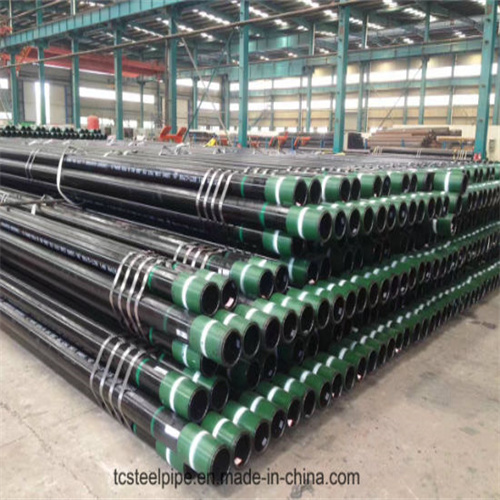
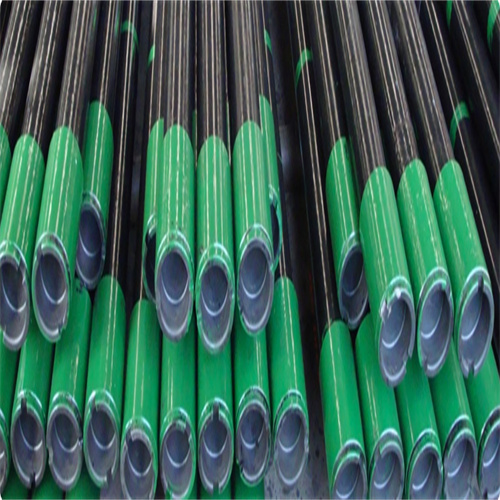
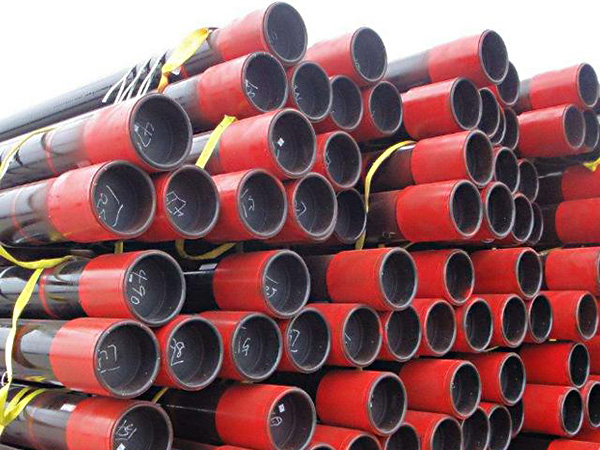
The primary cause of intermediate casing wear is the intense pressure and temperature conditions that exist in ultra-deep wells. As the drilling process reaches greater depths, the casing, which is the Steel Pipe used to line the wellbore, is subjected to increasingly harsh conditions. The high pressure and temperature can cause the casing to expand and contract, leading to wear and tear over time. Additionally, the abrasive nature of the drilling mud, a fluid used in the drilling process to lubricate the drill bit and carry cuttings to the surface, can further exacerbate casing wear.
Another contributing factor to intermediate casing wear is the mechanical stress induced by the drilling process. The rotation and vibration of the drill string, the series of tubes used to drill the well, can cause friction against the casing. This friction, combined with the Weight of the drill string, can lead to wear on the casing, particularly in the intermediate sections where the casing is thinner and more vulnerable to damage.
API 5ct l80 9Cr CASING china Best FactoriesThe impacts of intermediate casing wear in ultra-deep wells are far-reaching and can have serious implications for the safety and profitability of drilling operations. One of the most immediate impacts is the potential for casing failure. If the casing becomes too worn, it can rupture or collapse, leading to a loss of well control. This can result in a blowout, a dangerous and costly event where oil or gas is released uncontrollably from the well.
Moreover, casing wear can also lead to non-productive time (NPT), a period when drilling operations must be halted for Repairs or replacements. NPT is a significant cost driver in the oil and gas industry, and reducing it is a key objective for operators. Therefore, the financial implications of casing wear can be substantial, particularly in ultra-deep wells where the costs of drilling and repairs are already high.
Casing Pipe,casing well pipe, casing supreme pipe, casing vs carrier pipe, casing for ac pipe, casing steel pipe, casing pipe size, casing pvc pipe Price, casing pipe, casing pipe Suppliers in China, casing capping pipe, casing drill pipe,carrier pipe,casing pipe size,bushing flange,bushing Sleeve,bushing,bushing arm,bushing bearing,bushing reducer,bushing tool,bushing pvc,bushing meaning
Furthermore, casing wear can also have environmental impacts. A worn casing can allow drilling fluids to leak into the surrounding rock formations, potentially contaminating groundwater resources. This not only poses a risk to the environment but can also lead to regulatory penalties and damage to the operator’s reputation.
In conclusion, understanding the causes and impacts of intermediate casing wear in ultra-deep wells is crucial for the oil and gas industry. The high-pressure, high-temperature conditions, abrasive drilling mud, and mechanical stress of drilling can all contribute to casing wear. The potential consequences, including casing failure, non-productive time, and environmental damage, underscore the importance of monitoring and managing casing wear. By doing so, operators can enhance the safety and efficiency of their drilling operations, reduce costs, and minimize their environmental impact.