Benefits of Anti-corrosion coatings for Oil Casing
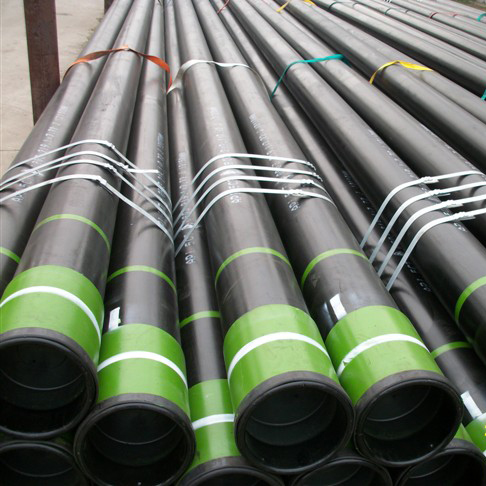
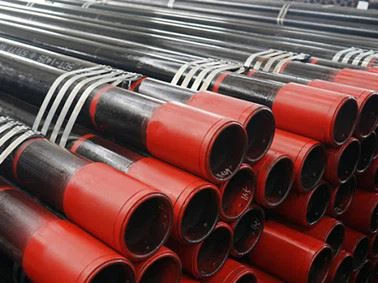
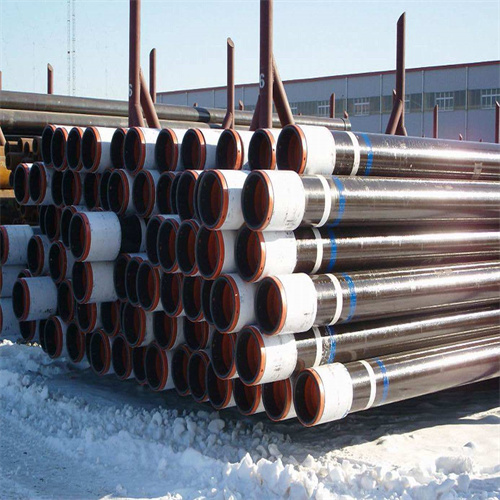
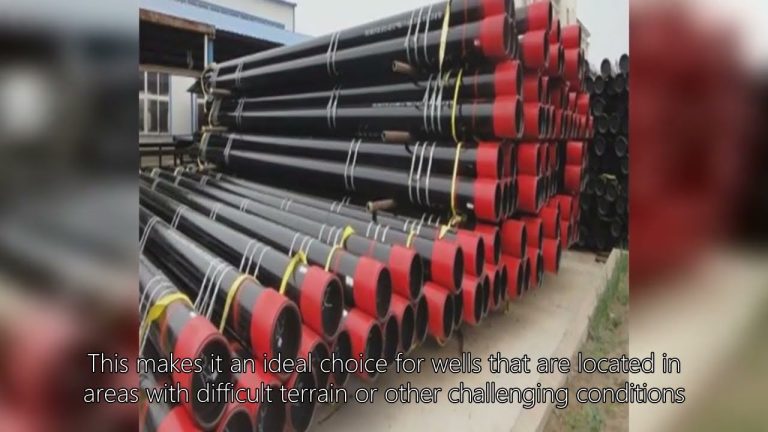
Anti-corrosion coatings play a crucial role in the protection and longevity of oil casing, which is a vital component in the Oil and Gas industry. These coatings are designed to safeguard the casing from the damaging effects of corrosion, which can lead to structural integrity issues and ultimately impact the overall efficiency and safety of oil extraction operations.
One of the primary benefits of anti-corrosion coatings for oil casing is the prevention of rust and corrosion. Oil casings are exposed to harsh environmental conditions, including moisture, chemicals, and high temperatures, all of which can accelerate the corrosion process. By applying a protective coating to the casing, operators can significantly reduce the risk of corrosion, thereby extending the lifespan of the equipment and minimizing the need for costly Repairs or replacements.
In addition to preventing corrosion, anti-corrosion coatings also enhance the overall durability of oil casing. These coatings act as a barrier between the casing Material and the external environment, providing an extra layer of protection against abrasion, impact, and other forms of mechanical damage. This increased durability not only prolongs the life of the casing but also ensures that it can withstand the rigors of daily operation without compromising its performance.
Furthermore, anti-corrosion coatings can improve the operational efficiency of oil extraction processes. Corrosion-related issues, such as leaks or structural failures, can result in costly downtime and production losses. By investing in high-quality anti-corrosion coatings, operators can minimize the risk of such problems, thereby maximizing the uptime of their equipment and optimizing production output.
Another key advantage of anti-corrosion coatings is their ability to enhance safety in oil and gas operations. Corrosion can weaken the structural integrity of oil casing, increasing the likelihood of accidents or failures that could pose a threat to personnel and the environment. By maintaining the integrity of the casing through effective corrosion protection, operators can create a safer working environment for their employees and reduce the risk of environmental contamination.
Moreover, anti-corrosion coatings can also contribute to cost savings in the long run. While the initial investment in applying these coatings may seem significant, the potential savings from avoiding corrosion-related repairs, replacements, and downtime far outweigh the upfront costs. By proactively protecting oil casing with anti-corrosion coatings, operators can achieve significant cost efficiencies over the lifecycle of the equipment.
In conclusion, the benefits of anti-corrosion coatings for oil casing are multifaceted and far-reaching. From preventing corrosion and enhancing durability to improving operational efficiency and ensuring safety, these coatings play a critical role in maintaining the integrity and performance of oil extraction equipment. By choosing the right anti-corrosion coating and applying it effectively, operators can protect their investment, optimize their operations, and achieve long-term success in the oil and gas industry.
Factors to Consider When Selecting the Right Anti-Corrosion Solution for Oil Casing
Corrosion is a significant concern in the oil and gas industry, particularly when it comes to oil casing. The integrity of oil casing is crucial for maintaining the safety and efficiency of oil extraction operations. Therefore, selecting the right anti-corrosion solution for oil casing is paramount in ensuring the longevity and reliability of the equipment.
oil Pipeline Construction,
One of the key factors to consider when choosing an anti-corrosion solution for oil casing is the environment in which the casing will be operating. Different environments present varying levels of corrosion risk, depending on factors such as temperature, humidity, and the presence of corrosive substances. Understanding the specific conditions in which the oil casing will be used is essential for selecting an anti-corrosion solution that can effectively protect the casing from deterioration.
Another important consideration is the type of corrosion that the oil casing is likely to encounter. There are several types of corrosion that can affect oil casing, including uniform corrosion, pitting corrosion, and stress corrosion cracking. Each type of corrosion requires a different approach to prevention and treatment, so it is essential to identify the specific corrosion mechanisms that are most likely to occur in the operating environment.
The material of the oil casing itself is also a crucial factor to consider when choosing an anti-corrosion solution. Different materials have varying levels of resistance to corrosion, with some materials being more susceptible to degradation than others. Selecting a compatible anti-corrosion solution that complements the material of the oil casing can help enhance the overall protection against corrosion and extend the lifespan of the equipment.
In addition to the environmental factors and material considerations, cost-effectiveness is another important aspect to keep in mind when selecting an anti-corrosion solution for oil casing. While it is essential to invest in high-quality corrosion protection to ensure the longevity of the equipment, it is also important to balance the cost of the anti-corrosion solution with the overall budget of the project. Conducting a cost-benefit analysis can help determine the most cost-effective anti-corrosion solution that meets the required level of protection for the oil casing.
 _960x960.jpg”>
Furthermore, the ease of application and Maintenance of the anti-corrosion solution should also be taken into account. A solution that is easy to apply and maintain can help reduce downtime and maintenance costs associated with corrosion protection. Additionally, considering the environmental impact of the anti-corrosion solution is becoming increasingly important, with many Companies opting for eco-friendly options that minimize harm to the environment.
In conclusion, selecting the right anti-corrosion solution for oil casing involves a comprehensive assessment of the operating environment, corrosion risks, material compatibility, cost-effectiveness, ease of application, and environmental impact. By carefully considering these factors and choosing a suitable anti-corrosion solution, oil and gas companies can effectively protect their oil casing from corrosion and ensure the contiNued safety and efficiency of their operations.