Understanding the Importance of Anti-Corrosion Strategies for Oil Casing
Corrosion in the Oil and Gas industry is a significant concern that can lead to costly damages, environmental hazards, and safety risks. Oil casing, a crucial component in oil drilling operations, is particularly vulnerable to corrosion due to its exposure to harsh environments. Understanding the importance of anti-corrosion strategies for oil casing is paramount in ensuring the integrity and longevity of Oil Wells.

One of the primary reasons why anti-corrosion strategies are essential for oil casing is to protect the structural integrity of the casing itself. Corrosion can weaken the casing Material over time, leading to potential failures that can result in oil leaks, well integrity issues, and even environmental contamination. By implementing effective anti-corrosion measures, operators can prolong the lifespan of oil casing and maintain the overall integrity of the well.
Moreover, anti-corrosion strategies play a crucial role in ensuring the safety of oil drilling operations. Corrosion-related failures in oil casing can pose serious safety risks to workers on the rig as well as to the surrounding environment. By proactively addressing corrosion through preventive measures such as coatings, inhibitors, and cathodic protection, operators can minimize the likelihood of accidents and ensure a safer working environment for all personnel involved.
In addition to structural integrity and safety considerations, anti-corrosion strategies also have economic implications for oil drilling operations. Corrosion-related failures can result in costly Repairs, downtime, and production losses, impacting the overall profitability of oil wells. By investing in effective anti-corrosion methods, operators can reduce Maintenance costs, extend the operational life of oil wells, and optimize production efficiency.
There are several key anti-corrosion strategies and methods that are commonly employed in the oil and gas industry to protect oil casing. One of the most widely used methods is the application of protective coatings on the surface of the casing material. These coatings act as a barrier between the casing and corrosive elements in the environment, preventing direct contact and inhibiting corrosion.
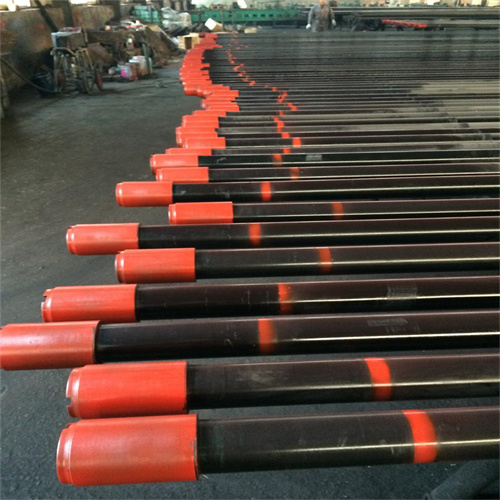
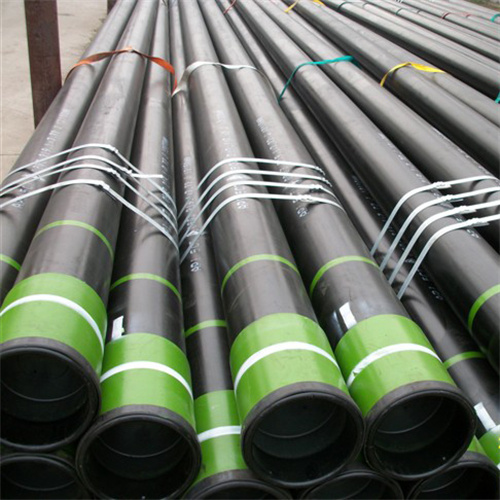
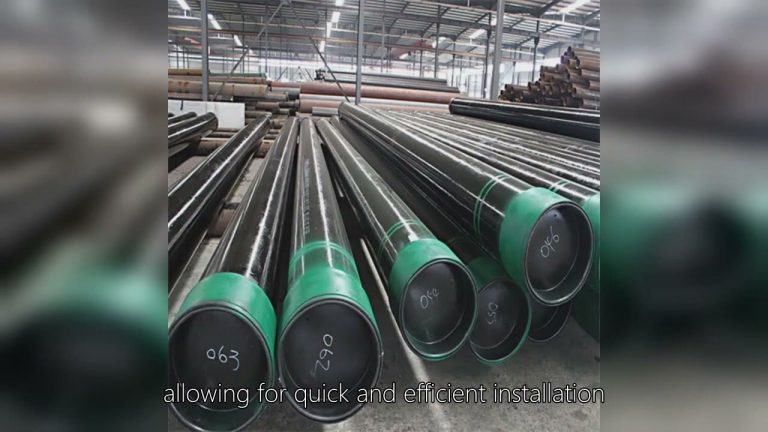
API 5ct l80 CASING Best chinese Exporter
Another common anti-corrosion strategy is the use of corrosion inhibitors, which are chemicals that are added to the drilling fluid or injected into the well to prevent corrosion of the casing material. Inhibitors work by forming a protective film on the surface of the casing, effectively blocking corrosive agents from causing damage.
Cathodic protection is another effective anti-corrosion method that involves the use of sacrificial anodes or impressed current systems to protect the casing from corrosion. By introducing a more reactive metal into the system, cathodic protection helps to divert corrosive attacks away from the casing material, thereby extending its lifespan.
In conclusion, anti-corrosion strategies are vital for protecting oil casing from the detrimental effects of corrosion. By implementing proactive measures such as protective coatings, inhibitors, and cathodic protection, operators can safeguard the structural integrity, safety, and economic viability of oil drilling operations. Investing in anti-corrosion methods is not only a prudent business decision but also a responsible environmental and safety practice in the oil and gas industry.