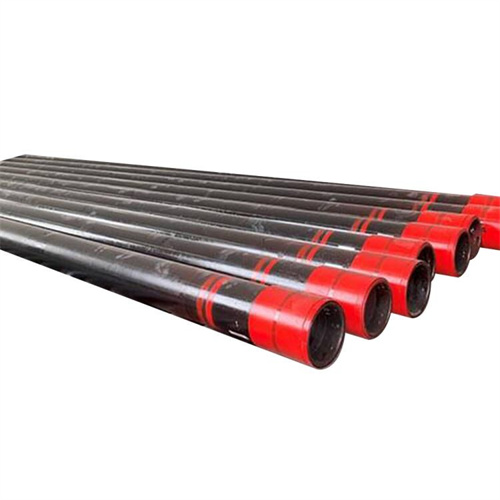
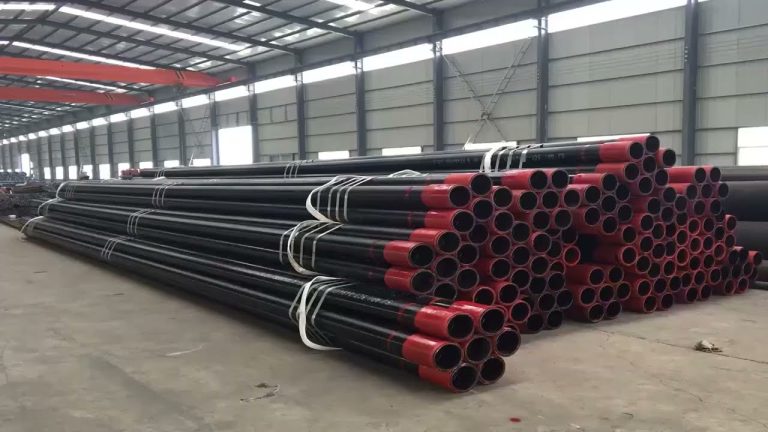
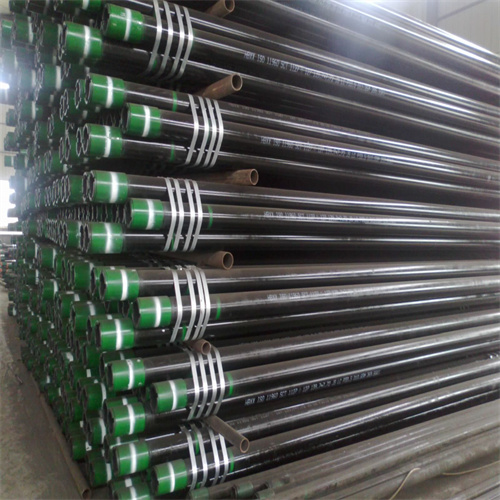
Overview of API 5ct grade l80 Coated Casing Pipe: Specifications and Applications
API 5CT Grade L80 coated casing pipe is a crucial component in the Oil and Gas industry, specifically designed to meet the demanding requirements of well Construction and Maintenance. This type of casing pipe is manufactured according to the specifications set forth by the American Petroleum Institute (API), which ensures that it meets rigorous standards for quality and performance. The Grade L80 designation indicates that the pipe is made from a specific alloy Steel that provides enhanced strength and resistance to corrosion, making it particularly suitable for use in sour gas environments where hydrogen sulfide is present.
The specifications for API 5CT Grade L80 coated casing pipe include a variety of dimensions, Wall thicknesses, and Lengths, allowing for versatility in application. Typically, the pipe is available in sizes ranging from 4.5 inches to 20 inches in Diameter, with wall thicknesses that can vary based on the specific requirements of the project. The coating applied to the casing pipe serves multiple purposes, including providing additional protection against corrosion, enhancing the pipe’s durability, and improving its overall lifespan. Common coating Materials include epoxy, polyurethane, and other specialized coatings that are designed to withstand harsh environmental conditions.
In terms of mechanical properties, API 5CT Grade L80 casing pipe exhibits a minimum yield strength of 80,000 psi, which is essential for withstanding the high pressures encountered in deep wells. Additionally, the pipe is designed to maintain its integrity under extreme temperatures and pressures, making it a reliable choice for both onshore and offshore drilling operations. The combination of High strength and Corrosion resistance makes this casing pipe particularly valuable in regions where the geological conditions may pose significant challenges to drilling operations.
The applications of API 5CT Grade L80 coated casing pipe are extensive, primarily serving as a protective conduit for oil and gas wells. It is used to line the borehole, providing structural support and preventing the collapse of the wellbore. Furthermore, the casing pipe helps to isolate different pressure zones within the well, ensuring that fluids do not migrate between formations. This isolation is critical for maintaining the integrity of the well and preventing contamination of groundwater resources.
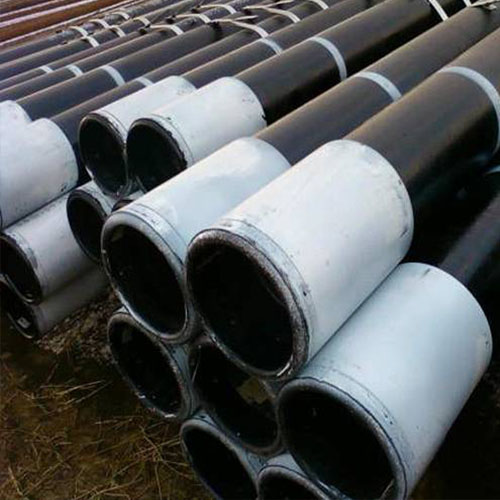
In addition to its primary function in well construction, API 5CT Grade L80 coated casing pipe is also utilized in various other applications within the oil and gas sector. For instance, it can be employed in the construction of pipelines, where its strength and corrosion resistance are essential for transporting hydrocarbons over long distances. Moreover, the coated casing pipe is often used in geothermal applications, where it can withstand the high temperatures and corrosive environments associated with geothermal energy extraction.
In conclusion, API 5CT Grade L80 coated casing pipe represents a vital element in the oil and gas industry, combining strength, durability, and corrosion resistance to meet the challenges of modern drilling operations. Its specifications and applications highlight its importance in ensuring the safe and efficient extraction of hydrocarbons. As the industry contiNues to evolve, the demand for high-quality casing solutions like API 5CT Grade L80 will remain critical, underscoring the need for ongoing innovation and adherence to stringent quality standards. The continued development of advanced coatings and materials will further enhance the performance of this essential component, ensuring that it meets the ever-increasing demands of the energy sector.
Benefits of Using API 5CT Grade L80 Coated Casing Pipe in Oil and Gas Industry
API 5CT Grade L80 coated casing pipe is a crucial component in the oil and gas industry, offering a range of benefits that enhance the efficiency and safety of drilling operations. This specific grade of casing pipe is designed to withstand the harsh conditions typically encountered in oil and gas extraction, including high pressures and corrosive environments. One of the primary advantages of using API 5CT Grade L80 coated casing pipe is its superior strength and durability. The L80 designation indicates that the pipe has a minimum yield strength of 80,000 psi, making it particularly suitable for deep well applications where the structural integrity of the casing is paramount. This high yield strength ensures that the pipe can endure the significant stresses imposed during drilling and production, thereby reducing the risk of failure and enhancing the overall reliability of the well.
In addition to its strength, the coated nature of the API 5CT Grade L80 casing pipe provides an extra layer of protection against corrosion. The oil and gas industry often operates in environments where the presence of hydrogen sulfide and other corrosive substances can lead to rapid degradation of uncoated materials. By utilizing a coated casing pipe, operators can significantly extend the lifespan of their equipment, minimizing the need for frequent replacements and reducing operational costs. This corrosion resistance is particularly beneficial in sour gas applications, where the risk of sulfide stress cracking is heightened. Furthermore, the coating can be tailored to meet specific environmental conditions, ensuring optimal performance in various settings.
Another significant benefit of API 5CT Grade L80 coated casing pipe is its compatibility with various well completion techniques. As the industry evolves, new technologies and methods are continuously being developed to enhance extraction efficiency. The versatility of L80 casing allows it to be used in conjunction with advanced completion techniques, such as hydraulic fracturing and horizontal drilling. This adaptability not only facilitates the implementation of innovative extraction methods but also ensures that operators can maximize the productivity of their wells.
Moreover, the use of API 5CT Grade L80 coated casing pipe contributes to improved safety in drilling operations. The robust construction and corrosion-resistant properties of the pipe help to mitigate the risks associated with well blowouts and other hazardous incidents. By ensuring that the casing remains intact under extreme conditions, operators can protect both their personnel and the environment from potential disasters. This focus on safety is increasingly important in an industry that faces scrutiny over its environmental impact and operational practices.
API 5CT C110 CASING china Best Manufacturers
In conclusion, the benefits of using API 5CT Grade L80 coated casing pipe in the oil and gas industry are manifold. Its exceptional strength and durability make it an ideal choice for deep well applications, while its corrosion-resistant coating significantly enhances its longevity and reliability. Additionally, the compatibility of L80 casing with modern completion techniques allows operators to adopt innovative methods that improve extraction efficiency. Finally, the emphasis on safety provided by this high-quality casing pipe cannot be overstated, as it plays a vital role in protecting both workers and the environment. As the oil and gas industry continues to evolve, the importance of utilizing advanced materials like API 5CT Grade L80 coated casing pipe will only grow, ensuring that operations remain efficient, safe, and sustainable.
Comparison of API 5CT Grade L80 Coated Casing Pipe with Other Casing Grades
API 5CT Grade L80 coated casing pipe is a crucial component in the oil and gas industry, particularly in the drilling and completion of wells. This grade of casing pipe is designed to withstand harsh environments and high pressures, making it a preferred choice for many operators. When comparing API 5CT Grade L80 coated casing pipe with other casing grades, several factors come into play, including mechanical properties, corrosion resistance, and overall performance in various applications.
To begin with, one of the primary distinctions between API 5CT Grade L80 and other casing grades, such as J55 and K55, lies in their mechanical properties. API 5CT Grade L80 is characterized by its higher yield strength, typically around 80,000 psi, which provides enhanced load-bearing capabilities. In contrast, J55 and K55 grades have lower yield strengths, approximately 55,000 psi. This Difference in yield strength is significant, especially in deep well applications where the casing must endure substantial pressures and loads. Consequently, the use of L80 casing can lead to improved safety and reliability in well construction.
Moreover, the corrosion resistance of API 5CT Grade L80 coated casing pipe is another critical aspect that sets it apart from other grades. The coating applied to L80 Pipes serves as a protective barrier against corrosive elements commonly found in drilling environments, such as hydrogen sulfide and carbon dioxide. While other grades may also offer some level of corrosion resistance, the specific coatings used on L80 pipes enhance their durability and longevity, reducing the risk of failure due to corrosion-related issues. This is particularly important in sour gas environments, where the presence of corrosive substances can significantly impact the integrity of the casing.
In addition to mechanical properties and corrosion resistance, the overall performance of API 5CT Grade L80 coated casing pipe in various applications further highlights its advantages. For instance, in horizontal drilling operations, where the casing must navigate complex geological formations, the strength and flexibility of L80 pipes allow for better adaptability to changing conditions. This adaptability is crucial for maintaining well integrity and ensuring successful drilling operations. In comparison, other casing grades may not provide the same level of performance, potentially leading to complications during drilling and completion.
Furthermore, the economic considerations associated with using API 5CT Grade L80 coated casing pipe cannot be overlooked. While the initial cost of L80 casing may be higher than that of lower-grade options, the long-term benefits often outweigh these costs. The enhanced durability and reduced maintenance requirements associated with L80 pipes can lead to significant savings over the life of the well. Operators may find that investing in higher-quality casing results in fewer failures and less downtime, ultimately improving the overall efficiency of their operations.
In conclusion, the comparison of API 5CT Grade L80 coated casing pipe with other casing grades reveals several key advantages that make it a preferred choice in the oil and gas industry. Its superior mechanical properties, enhanced corrosion resistance, and overall performance in challenging applications position it as a reliable option for operators seeking to ensure the integrity and safety of their wells. While the initial investment may be higher, the long-term benefits and potential cost savings associated with using L80 casing make it a worthwhile consideration for any drilling project. As the industry continues to evolve, the demand for high-quality casing solutions like API 5CT Grade L80 is likely to grow, reflecting the ongoing need for safety and efficiency in oil and gas operations.