Properties and Performance of Steel vs. PVC Oil Casing Materials
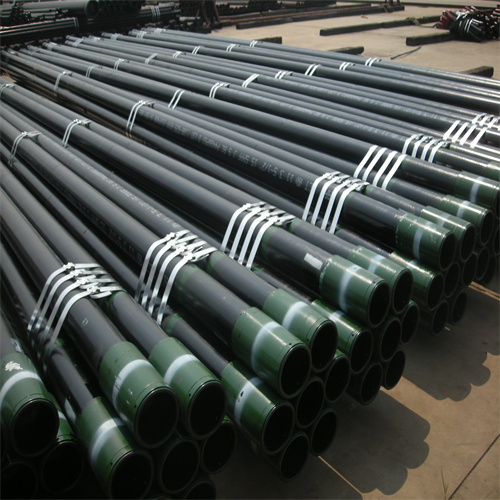
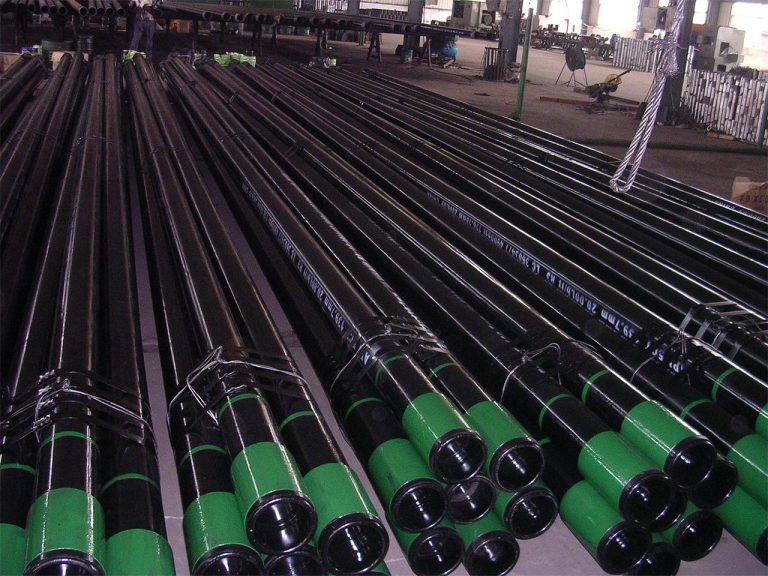
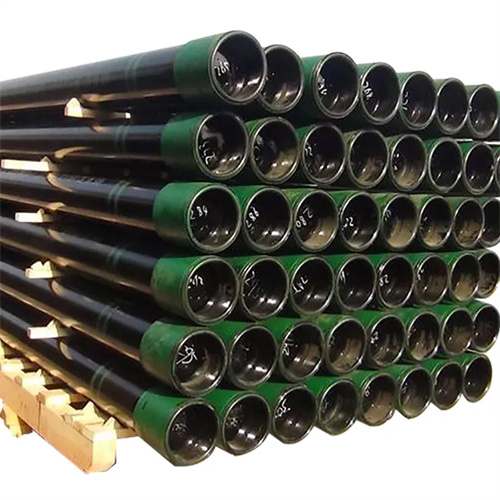
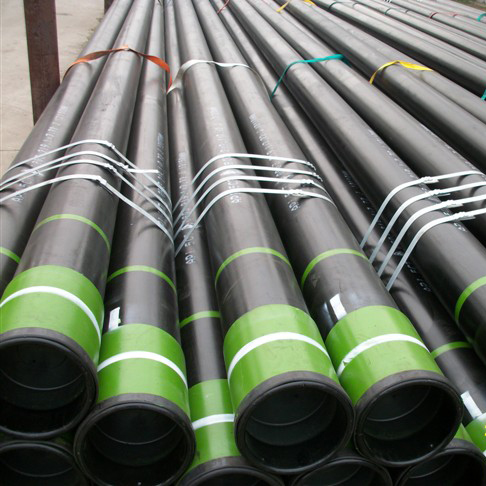
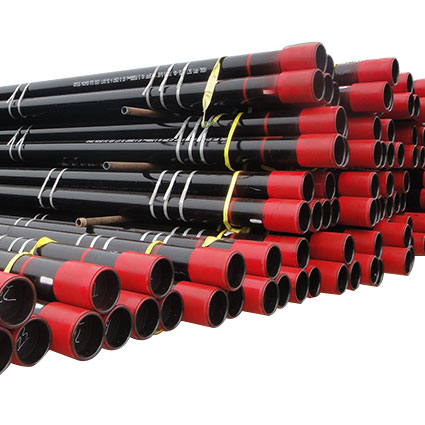
In the realm of oil extraction, the choice of casing materials is critical to ensuring the integrity and safety of drilling operations. Among the most commonly used materials are steel and polyvinyl chloride (PVC), each possessing distinct properties and performance characteristics that influence their suitability for various applications. Steel, a traditional choice, is renowned for its strength and durability. It can withstand high pressures and extreme temperatures, making it ideal for deep well applications where environmental conditions can be harsh. The tensile strength of steel allows it to resist deformation under load, which is particularly important in maintaining the structural integrity of the wellbore. Furthermore, steel casing is resistant to many corrosive substances found in Oil and Gas environments, especially when coated with protective materials. However, it is worth noting that steel is susceptible to corrosion over time, particularly in the presence of water and certain chemicals, which can compromise its longevity and performance.

On the other hand, PVC has gained popularity in recent years due to its lightWeight nature and resistance to corrosion. Unlike steel, PVC does not rust or corrode, which can significantly reduce Maintenance costs and extend the lifespan of the casing. This characteristic makes PVC particularly advantageous in environments where chemical exposure is a concern. Additionally, the installation of PVC casing is often easier and less labor-intensive due to its lighter weight, which can lead to reduced operational costs. However, while PVC is resistant to many chemicals, it is not as robust as steel when it comes to high-pressure applications. The tensile strength of PVC is lower than that of steel, which can limit its use in deeper wells or in situations where the casing must withstand significant external pressures. Moreover, PVC can become brittle at low temperatures, which may pose challenges in colder climates or during winter drilling operations.
When considering the thermal properties of these materials, steel exhibits superior heat resistance, allowing it to perform well in high-temperature environments. In contrast, PVC has a lower thermal tolerance, which can restrict its application in scenarios where heat is a significant factor. This Difference in thermal performance is crucial, as the temperature of the surrounding environment can affect the integrity of the casing and the overall efficiency of the drilling operation. Additionally, the acoustic properties of steel and PVC differ, with steel providing better sound transmission, which can be beneficial in certain monitoring applications.
In terms of cost, PVC is generally less expensive than steel, making it an attractive option for projects with budget constraints. However, the initial savings on material costs must be weighed against the potential long-term implications of using a less durable material. The choice between steel and PVC ultimately hinges on a variety of factors, including the specific environmental conditions of the drilling site, the depth of the well, and the chemical composition of the fluids being extracted. Each material presents its own set of advantages and disadvantages, and the decision should be made based on a comprehensive assessment of the operational requirements and potential risks involved.
In conclusion, both steel and PVC offer unique properties and performance characteristics that can significantly impact oil casing applications. While steel is favored for its strength and durability, PVC presents a compelling alternative due to its Corrosion resistance and ease of installation. The selection of the appropriate casing material is a critical decision that requires careful consideration of the specific conditions and requirements of the drilling operation, ensuring that the cHosen material will provide the necessary support and protection throughout the life of the well.
Environmental Impact of Using Composite Materials in Oil Casing Applications
The environmental impact of using composite materials in oil casing applications is a topic of increasing relevance as the oil and gas industry seeks to balance operational efficiency with ecological responsibility. Composite materials, which typically consist of a combination of polymers reinforced with fibers, offer several advantages over traditional materials such as steel and concrete. These advantages include reduced weight, enhanced corrosion resistance, and improved mechanical properties, which can lead to more efficient drilling operations and lower overall costs. However, the environmental implications of their use must be carefully considered, particularly in the context of sustainability and lifecycle assessment.
One of the primary environmental benefits of composite materials is their potential to reduce the carbon footprint associated with oil extraction and transportation. The lightweight nature of composites allows for easier handling and installation, which can decrease the energy required for transportation and installation processes. This reduction in energy consumption directly correlates with lower greenhouse gas emissions, making composites an attractive option for Companies aiming to minimize their environmental impact. Furthermore, the durability of composite materials can lead to longer service life, which reduces the frequency of replacements and the associated environmental costs of manufacturing and disposing of traditional materials.
Despite these advantages, the production and disposal of composite materials raise significant environmental concerns. The manufacturing process for composites often involves the use of volatile organic compounds (VOCs) and other hazardous substances, which can contribute to air and water pollution if not managed properly. Additionally, the recycling of composite materials presents challenges due to their complex structure, which can make it difficult to separate the various components for reuse. As a result, many composite materials end up in landfills, where they can take decades to decompose, contributing to long-term environmental degradation.
Moreover, the environmental impact of composite materials is not limited to their production and disposal. The extraction of raw materials used in composites, such as fiberglass and carbon fibers, can also have detrimental effects on ecosystems. Mining and processing these materials can lead to habitat destruction, soil erosion, and water contamination, which further complicates the environmental assessment of using composites in oil casing applications. Therefore, it is essential for industry stakeholders to consider the entire lifecycle of composite materials, from raw material extraction to end-of-life disposal, when evaluating their environmental impact.
Q125In response to these challenges, the industry is increasingly exploring alternative materials and innovative recycling methods. Biocomposites, which incorporate natural fibers and biodegradable resins, are gaining attention as a more sustainable option for oil casing applications. These materials not only reduce reliance on fossil fuels but also offer the potential for improved environmental performance throughout their lifecycle. Additionally, advancements in recycling technologies are being developed to address the challenges associated with composite waste, enabling more efficient recovery of materials and reducing the burden on landfills.
In conclusion, while composite materials present several advantages for oil casing applications, their environmental impact is multifaceted and requires careful consideration. The benefits of reduced weight and enhanced durability must be weighed against the potential for pollution during production and challenges associated with disposal. As the industry contiNues to evolve, it is crucial to prioritize sustainable practices and explore innovative materials that can mitigate the environmental footprint of oil extraction activities. By doing so, the oil and gas sector can move towards a more sustainable future, balancing operational needs with ecological responsibility.