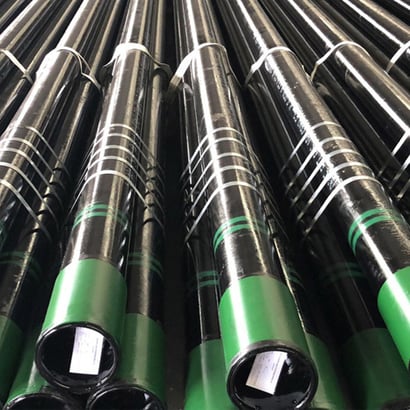
Overview of API 5ct l80 Casing and Tubing Pipe Specifications
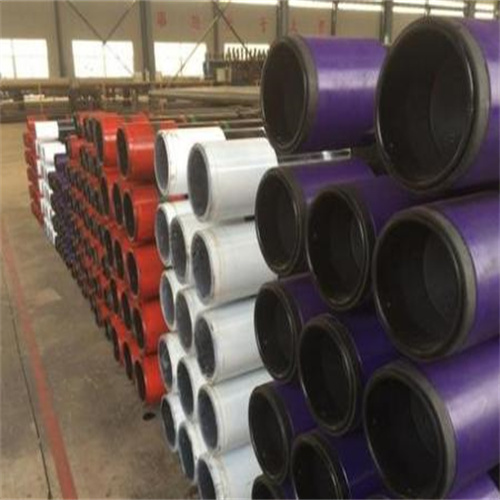
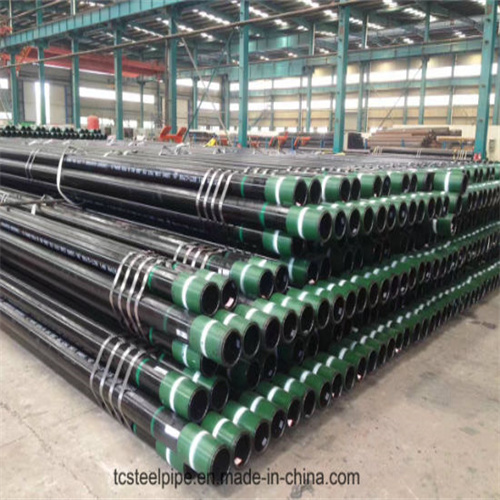
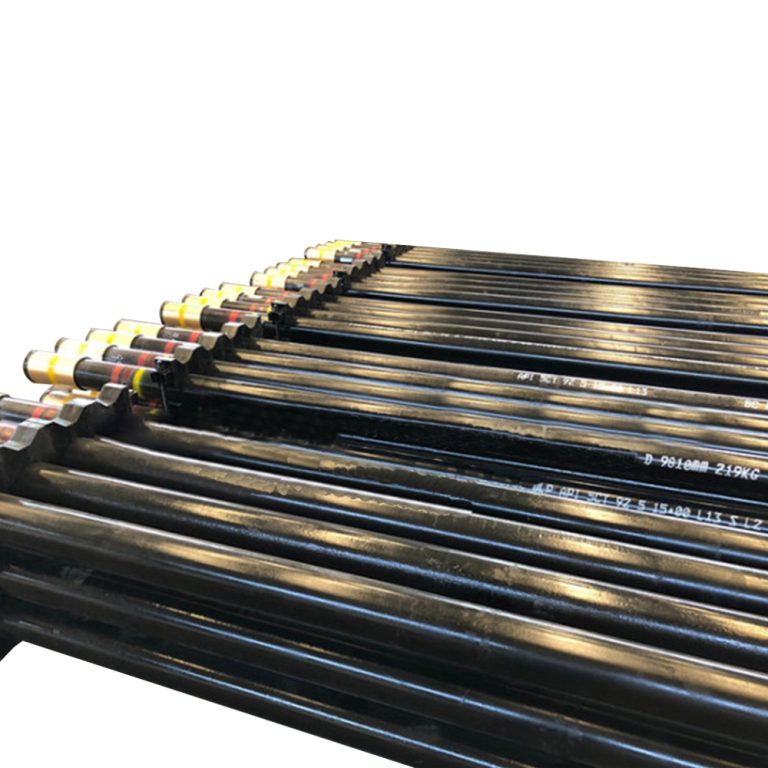
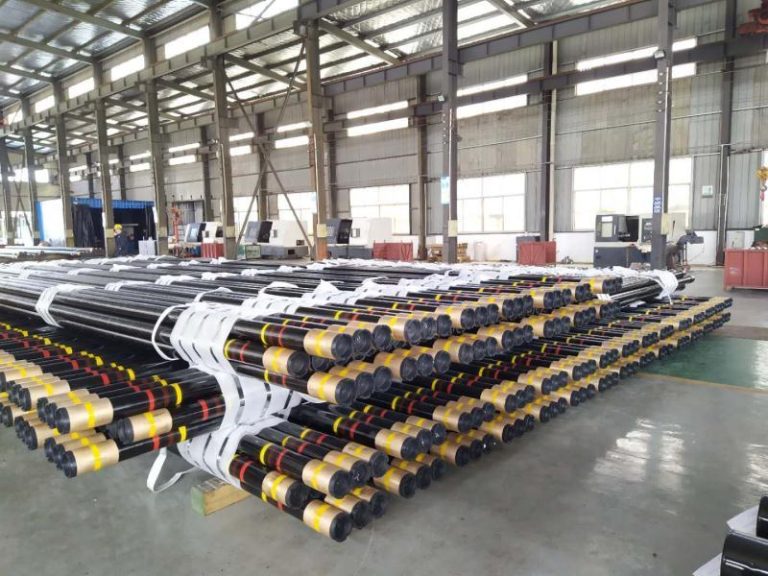
API 5CT L80 casing and Tubing Pipes are essential components in the Oil and Gas industry, specifically designed to withstand the demanding conditions encountered during drilling and production operations. The API 5CT specification, established by the American Petroleum Institute, outlines the requirements for the manufacturing and testing of these Pipes, ensuring they meet the necessary standards for performance and safety. L80, a specific grade within this specification, is particularly valued for its strength and resistance to corrosion, making it suitable for use in sour service environments where hydrogen sulfide is present.
The L80 grade is characterized by its minimum yield strength of 80,000 psi, which provides the structural integrity required to support the Weight of the wellbore and the equipment used during drilling. This high yield strength is crucial, as it allows the casing and tubing to endure the extreme pressures and stresses encountered in deep wells. Additionally, L80 pipes are manufactured with a specific chemical composition that enhances their mechanical properties, including improved toughness and ductility. These attributes are vital for ensuring the pipes can withstand the rigors of the drilling process and the harsh conditions of the subsurface environment.
In terms of manufacturing, API 5CT L80 casing and tubing pipes are produced using various methods, including seamless and welded processes. Seamless Pipes are created from a solid round Steel billet, which is heated and then formed into a pipe without any seams or welds. This method results in a stronger and more reliable product, as there are no weak points that could lead to failure. On the other hand, Welded Pipes are made by rolling steel plates and welding the edges together. While they can be more cost-effective, they may not offer the same level of performance as seamless pipes, particularly in high-stress applications.
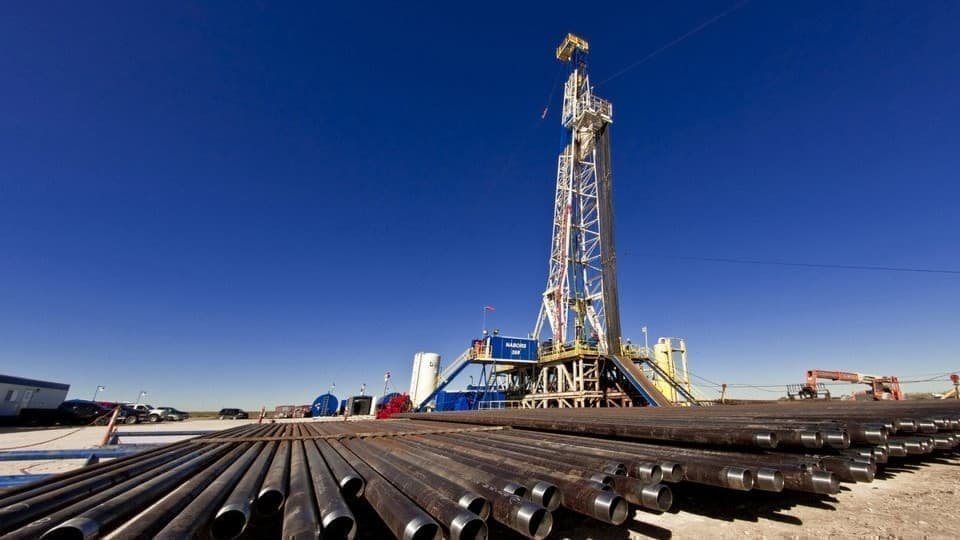
The specifications also detail the required testing procedures for L80 pipes, which include Non-destructive testing methods such as ultrasonic testing and magnetic particle inspection. These tests are essential for identifying any defects or inconsistencies in the Material that could compromise the integrity of the pipes. Furthermore, the API 5CT standard mandates that all pipes undergo Hydrostatic testing to ensure they can withstand the pressures they will encounter in the field. This rigorous testing process guarantees that only pipes meeting the stringent requirements are approved for use in oil and gas operations.
https://youtube.com/watch?v=aviXC9lzU6E
API 5CT T95 CASING china Best ExportersWhen it comes to quotations for API 5CT L80 casing and tubing pipes, it is important for buyers to consider several factors. The specifications outlined by API provide a framework for understanding the quality and performance of the pipes, but pricing can vary based on factors such as the Manufacturer, the method of production, and the quantity ordered. Additionally, fluctuations in raw material costs can impact pricing, making it essential for buyers to obtain multiple quotations to ensure they are receiving a fair and competitive Price.
In conclusion, API 5CT L80 casing and tubing pipes play a critical role in the oil and gas industry, providing the necessary strength and durability to withstand challenging conditions. Understanding the specifications and requirements outlined by API is crucial for ensuring the selection of high-quality pipes that meet the demands of drilling and production operations. By carefully considering the factors that influence pricing and obtaining multiple quotations, buyers can make informed decisions that contribute to the success of their projects.