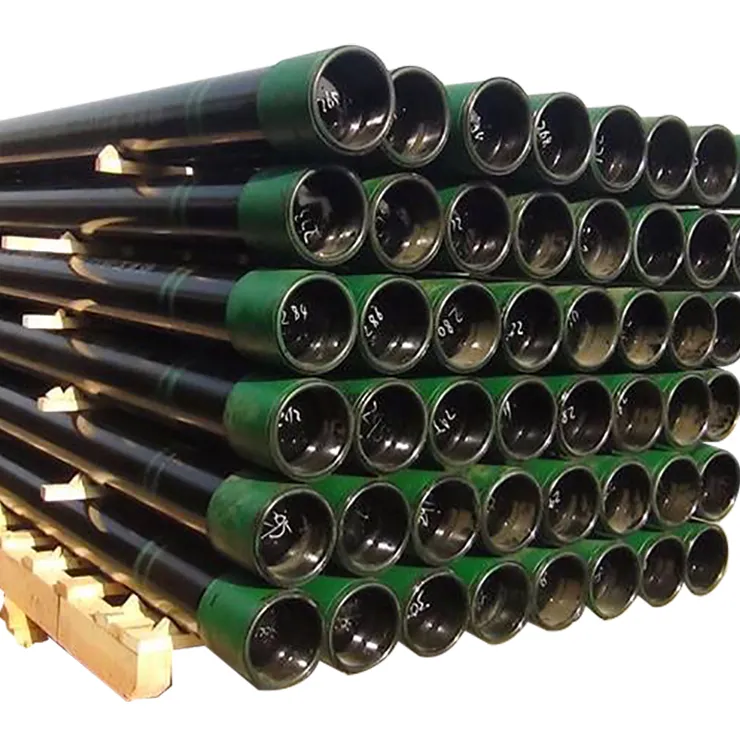
أهمية الوظائف المتشعبة في مراقبة جودة غلاف الزيت
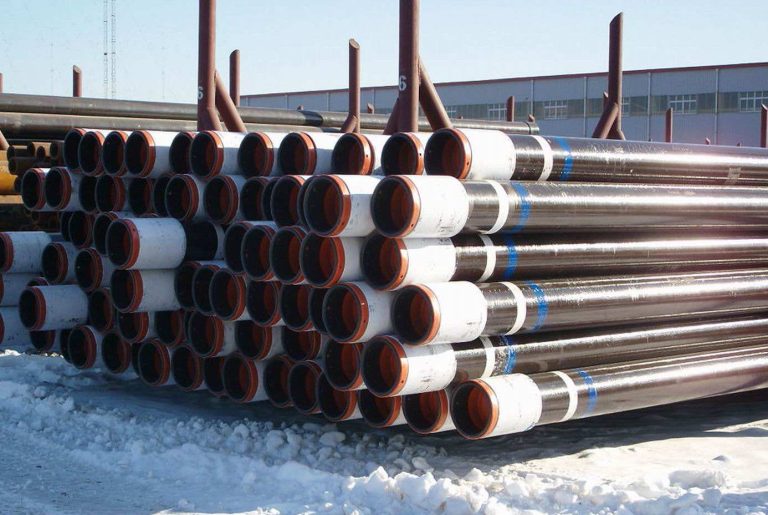
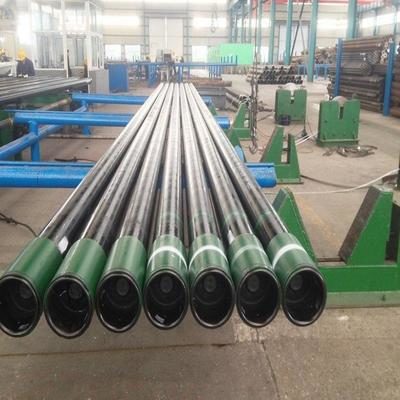
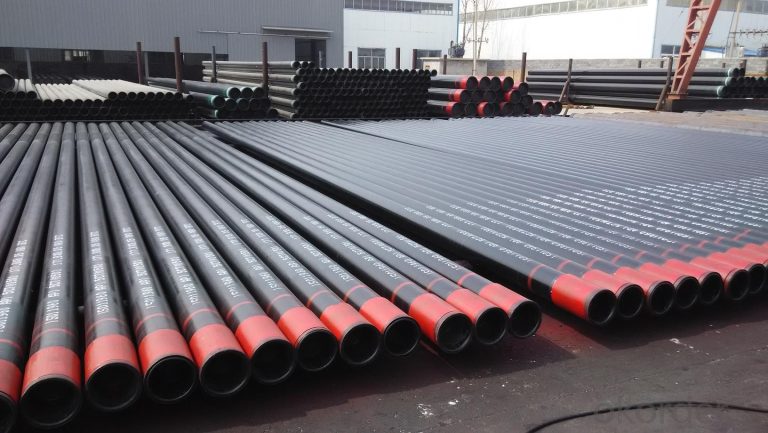
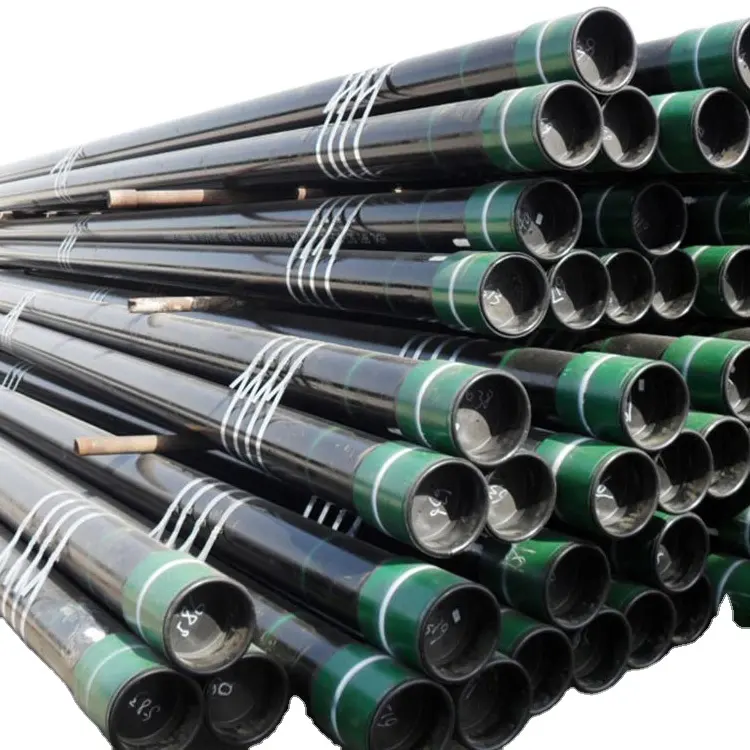
في صناعة النفط والغاز، تعد سلامة غلاف النفط أمرًا بالغ الأهمية لضمان عمليات آمنة وفعالة. تلعب الوظائف المتعددة في مراقبة جودة أغلفة النفط دورًا حاسمًا في الحفاظ على هذه السلامة، حيث أنها تشمل مجموعة من العمليات والممارسات المصممة لرصد جودة مواد التغليف وتقييمها وتحسينها. تعتبر هذه الوظائف المتعددة ضرورية ليس فقط للامتثال لمعايير الصناعة ولكن أيضًا لمنع حالات الفشل المكلفة التي يمكن أن تنشأ عن جودة الغلاف دون المستوى المطلوب. ومن خلال فهم أهمية هذه الوظائف، يمكن لأصحاب المصلحة تقدير تأثيرها بشكل أفضل على النجاح التشغيلي الشامل.
تقنيات تقييم الوظائف المتشعبة في أنظمة تغليف الزيت
علاوة على ذلك، أثبت دمج تحليلات البيانات في عملية التقييم أنه لا يقدر بثمن. ومن خلال جمع وتحليل البيانات من تقنيات الفحص المختلفة، يستطيع المشغلون تحديد الاتجاهات والأنماط التي قد تشير إلى حالات فشل محتملة. يسمح هذا النهج التنبئي بتحسين جداول الصيانة وتخصيص الموارد، مما يعزز في النهاية الكفاءة الشاملة لعمليات استخراج النفط. بالإضافة إلى ذلك، فإن إنشاء بروتوكولات موحدة لتقييم الوظائف المتعددة في أنظمة تغليف النفط يضمن الاتساق والموثوقية في عملية التقييم. تحدد هذه البروتوكولات التقنيات المحددة التي سيتم استخدامها، وتكرار عمليات التفتيش، ومعايير تحديد مدى قبول جودة الغلاف.
في الختام، تعد الوظائف المتعددة في مراقبة جودة غلاف النفط ضرورية لضمان سلامة وكفاءة عمليات الحفر. . ومن خلال استخدام مجموعة من طرق الاختبار غير المدمرة، وعمليات الفحص البصري، وتقنيات التصوير المتقدمة، وتحليلات البيانات، يمكن للمشغلين تقييم سلامة أنظمة الغلاف بشكل فعال. إن التحسين المستمر لتقنيات التقييم هذه لا يعزز موثوقية استخراج النفط فحسب، بل يساهم أيضًا في استدامة الصناعة ككل. مع تقدم التكنولوجيا، ستتطور بلا شك طرق تقييم جودة أغلفة النفط، مما يزيد من تعزيز أساس إنتاج النفط الآمن والفعال.
In the realm of Oil extraction, the integrity of Casing systems is paramount to ensuring safety and efficiency. The manifold functions of Oil Casing quality control play a critical role in maintaining the structural integrity of wells, preventing leaks, and ensuring the overall success of drilling operations. Evaluating these manifold functions requires a comprehensive understanding of various techniques that can assess the quality and performance of casing systems. One of the primary techniques employed is Non-destructive testing (NDT), which allows for the examination of Materials without causing any damage. This method is particularly valuable in identifying flaws such as cracks, corrosion, or other structural weaknesses that could compromise the casing’s effectiveness.
oil PipelineAmong the various NDT methods, ultrasonic testing stands out due to its ability to provide precise measurements of Wall thickness and detect internal defects. By sending high-frequency sound waves through the casing material, technicians can analyze the reflected signals to determine the presence of anomalies. This technique not only enhances the safety of oil operations but also extends the lifespan of the casing by enabling timely Repairs or replacements. In addition to ultrasonic testing, magnetic particle inspection is another effective method for evaluating the integrity of oil casing systems. This technique involves applying a magnetic field to the casing and then introducing ferrous particles. Any surface or near-surface defects will disrupt the magnetic field, causing the particles to cluster and reveal the location of potential issues. This method is particularly useful for detecting surface cracks that may not be visible to the naked eye.
Furthermore, visual inspection remains a fundamental technique in the evaluation of oil casing quality. Although it may seem rudimentary, a thorough visual examination can uncover significant issues such as signs of wear, corrosion, or improper installation. Trained inspectors can identify potential problems early on, allowing for proactive measures to be taken before they escalate into more serious concerns. In conjunction with these techniques, the implementation of advanced technologies such as digital radiography and computed tomography has revolutionized the evaluation process. These methods provide high-resolution images of the casing structure, enabling a detailed analysis of its condition. By utilizing these advanced imaging techniques, operators can gain insights into the internal and external features of the casing, facilitating informed decision-making regarding Maintenance and repairs.

Moreover, the integration of data analytics into the evaluation process has proven to be invaluable. By collecting and analyzing data from various inspection techniques, operators can identify trends and patterns that may indicate potential failures. This predictive approach allows for the optimization of maintenance schedules and resource allocation, ultimately enhancing the overall efficiency of oil extraction operations. Additionally, the establishment of standardized protocols for evaluating manifold functions in oil casing systems ensures consistency and reliability in the assessment process. These protocols outline the specific techniques to be employed, the frequency of inspections, and the criteria for determining the acceptability of casing quality.
In conclusion, the manifold functions in oil casing quality control are essential for ensuring the safety and efficiency of drilling operations. By employing a combination of non-destructive testing methods, visual inspections, advanced imaging technologies, and data analytics, operators can effectively evaluate the integrity of casing systems. The continuous improvement of these evaluation techniques not only enhances the reliability of oil extraction but also contributes to the sustainability of the industry as a whole. As technology advances, the methods for assessing oil casing quality will undoubtedly evolve, further strengthening the foundation of safe and efficient oil production.