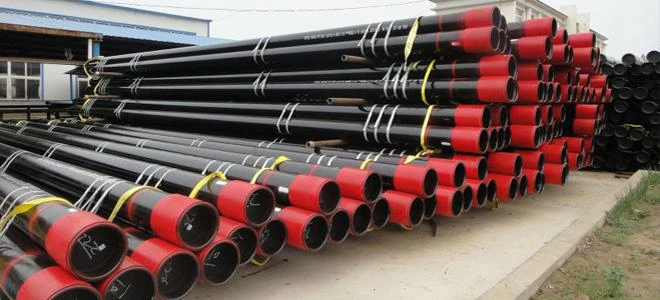
Importance of Manifold functions in Oil Casing Quality Control
In the Oil and Gas industry, the integrity of oil casing is paramount to ensuring safe and efficient operations. The manifold functions in oil casing quality control play a crucial role in maintaining this integrity, as they encompass a range of processes and practices designed to monitor, assess, and enhance the quality of casing Materials. These manifold functions are essential not only for compliance with industry standards but also for the prevention of costly failures that can arise from subpar casing quality. By understanding the importance of these functions, stakeholders can better appreciate their impact on overall operational success.
One of the primary manifold functions in oil casing quality control is the rigorous inspection of casing materials. This process involves evaluating the physical and chemical properties of the casing to ensure they meet specified standards. Inspections typically include Non-destructive testing methods, such as ultrasonic testing and magnetic particle inspection, which allow for the detection of flaws without compromising the integrity of the casing. By identifying potential issues early in the production process, operators can take corrective actions before the casing is deployed, thereby reducing the risk of failure during operation.
In addition to inspections, the manifold functions also encompass the implementation of quality assurance protocols. These protocols are designed to establish a systematic approach to quality control, ensuring that all aspects of casing production adhere to established guidelines. This includes the selection of raw materials, manufacturing processes, and final product evaluations. By adhering to these protocols, Companies can foster a culture of quality that permeates every level of production, ultimately leading to improved casing performance and reliability.
Moreover, the manifold functions in oil casing quality control extend to the documentation and traceability of materials. Maintaining comprehensive records of inspections, tests, and certifications is vital for demonstrating compliance with regulatory requirements and industry standards. This documentation not only serves as a reference for future audits but also provides valuable insights into the performance of casing materials over time. By analyzing this data, companies can identify trends and make informed decisions regarding material selection and production processes, further enhancing the quality of their casing.
Another critical aspect of manifold functions is the continuous improvement of quality control processes. The oil and gas industry is constantly evolving, with new technologies and methodologies emerging to enhance operational efficiency. By embracing a mindset of continuous improvement, companies can adapt their quality control practices to incorporate these advancements. This may involve investing in new testing technologies, refining inspection techniques, or adopting innovative materials that offer superior performance. Such proactive measures not only improve the quality of oil casing but also contribute to the overall sustainability of operations.
Furthermore, collaboration among various stakeholders is essential in the manifold functions of oil casing quality control. This includes cooperation between Manufacturers, operators, and regulatory bodies to ensure that quality standards are consistently met. By fostering open communication and sharing best practices, stakeholders can collectively enhance the quality of casing materials and reduce the likelihood of failures. This collaborative approach not only strengthens the industry’s commitment to safety but also promotes a culture of accountability and excellence.
In conclusion, the manifold functions in oil casing quality control are integral to ensuring the safety and efficiency of oil and gas operations. Through rigorous inspections, quality assurance protocols, meticulous documentation, continuous improvement, and collaborative efforts, stakeholders can significantly enhance the quality of casing materials. As the industry contiNues to evolve, the importance of these functions will only grow, underscoring the need for a steadfast commitment to quality in every aspect of oil casing production.
Techniques for Evaluating Manifold Functions in Oil Casing Systems
In the realm of oil extraction, the integrity of casing systems is paramount to ensuring safety and efficiency. The manifold functions of oil casing quality control play a critical role in maintaining the structural integrity of wells, preventing leaks, and ensuring the overall success of drilling operations. Evaluating these manifold functions requires a comprehensive understanding of various techniques that can assess the quality and performance of casing systems. One of the primary techniques employed is non-destructive testing (NDT), which allows for the examination of materials without causing any damage. This method is particularly valuable in identifying flaws such as cracks, corrosion, or other structural weaknesses that could compromise the casing’s effectiveness.
oil PipelineAmong the various NDT methods, ultrasonic testing stands out due to its ability to provide precise measurements of Wall thickness and detect internal defects. By sending high-frequency sound waves through the casing material, technicians can analyze the reflected signals to determine the presence of anomalies. This technique not only enhances the safety of oil operations but also extends the lifespan of the casing by enabling timely Repairs or replacements. In addition to ultrasonic testing, magnetic particle inspection is another effective method for evaluating the integrity of oil casing systems. This technique involves applying a magnetic field to the casing and then introducing ferrous particles. Any surface or near-surface defects will disrupt the magnetic field, causing the particles to cluster and reveal the location of potential issues. This method is particularly useful for detecting surface cracks that may not be visible to the naked eye.
Furthermore, visual inspection remains a fundamental technique in the evaluation of oil casing quality. Although it may seem rudimentary, a thorough visual examination can uncover significant issues such as signs of wear, corrosion, or improper installation. Trained inspectors can identify potential problems early on, allowing for proactive measures to be taken before they escalate into more serious concerns. In conjunction with these techniques, the implementation of advanced technologies such as digital radiography and computed tomography has revolutionized the evaluation process. These methods provide high-resolution images of the casing structure, enabling a detailed analysis of its condition. By utilizing these advanced imaging techniques, operators can gain insights into the internal and external features of the casing, facilitating informed decision-making regarding Maintenance and repairs.

Moreover, the integration of data analytics into the evaluation process has proven to be invaluable. By collecting and analyzing data from various inspection techniques, operators can identify trends and patterns that may indicate potential failures. This predictive approach allows for the optimization of maintenance schedules and resource allocation, ultimately enhancing the overall efficiency of oil extraction operations. Additionally, the establishment of standardized protocols for evaluating manifold functions in oil casing systems ensures consistency and reliability in the assessment process. These protocols outline the specific techniques to be employed, the frequency of inspections, and the criteria for determining the acceptability of casing quality.
In conclusion, the manifold functions in oil casing quality control are essential for ensuring the safety and efficiency of drilling operations. By employing a combination of non-destructive testing methods, visual inspections, advanced imaging technologies, and data analytics, operators can effectively evaluate the integrity of casing systems. The continuous improvement of these evaluation techniques not only enhances the reliability of oil extraction but also contributes to the sustainability of the industry as a whole. As technology advances, the methods for assessing oil casing quality will undoubtedly evolve, further strengthening the foundation of safe and efficient oil production.