Umuhimu wa Kazi Nyingi katika Udhibiti wa Ubora wa Case ya Mafuta
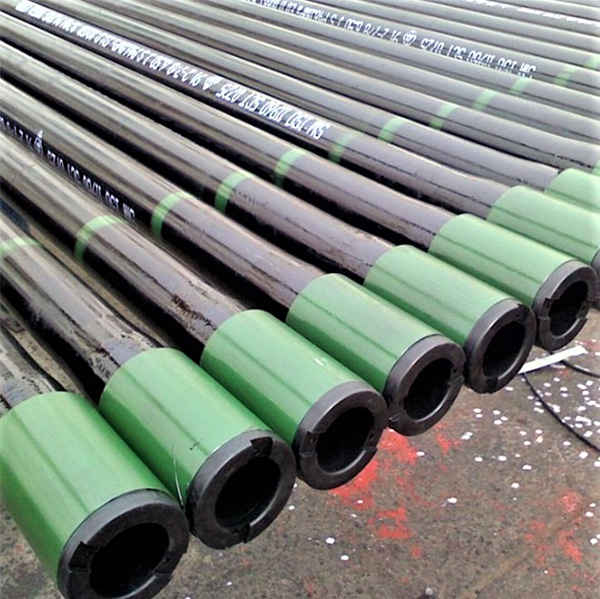
Katika tasnia ya mafuta na gesi, uadilifu wa kabati la mafuta ni muhimu ili kuhakikisha utendakazi salama na mzuri. Kazi nyingi katika udhibiti wa ubora wa kabati la mafuta huchukua jukumu muhimu katika kudumisha uadilifu huu, kwani hujumuisha michakato na mazoea mbalimbali yaliyoundwa ili kufuatilia, kutathmini, na kuimarisha ubora wa nyenzo za Casing. Vipengele hivi vingi ni muhimu sio tu kwa kufuata viwango vya tasnia lakini pia kwa kuzuia hitilafu za gharama kubwa zinazoweza kutokea kutokana na ubora wa kabati ndogo. Kwa kuelewa umuhimu wa majukumu haya, washikadau wanaweza kufahamu vyema athari zao katika mafanikio ya kiutendaji kwa ujumla.
Mbinu za Kutathmini Utendakazi Nyingi katika Mifumo ya Kuweka Mafuta
Aidha, ujumuishaji wa uchanganuzi wa data katika mchakato wa tathmini umethibitishwa kuwa wa thamani sana. Kwa kukusanya na kuchambua data kutoka kwa mbinu mbalimbali za ukaguzi, waendeshaji wanaweza kutambua mienendo na mifumo ambayo inaweza kuonyesha kushindwa. Mbinu hii ya kutabiri inaruhusu uboreshaji wa ratiba za matengenezo na ugawaji wa rasilimali, hatimaye kuimarisha ufanisi wa jumla wa shughuli za uchimbaji wa mafuta. Zaidi ya hayo, uanzishwaji wa itifaki sanifu za kutathmini kazi nyingi katika mifumo ya kabati ya mafuta huhakikisha uthabiti na kutegemewa katika mchakato wa tathmini. Itifaki hizi zinabainisha mbinu mahususi zitakazotumika, mara kwa mara ukaguzi, na vigezo vya kubainisha kukubalika kwa ubora wa kabati.
Kwa kumalizia, kazi nyingi katika udhibiti wa ubora wa kasha la mafuta ni muhimu ili kuhakikisha usalama na ufanisi wa shughuli za uchimbaji. . Kwa kutumia mchanganyiko wa mbinu zisizo za uharibifu za majaribio, ukaguzi wa kuona, teknolojia ya hali ya juu ya kupiga picha, na uchanganuzi wa data, waendeshaji wanaweza kutathmini kwa ufanisi uaminifu wa mifumo ya casing. Uboreshaji unaoendelea wa mbinu hizi za tathmini sio tu huongeza uaminifu wa uchimbaji wa mafuta lakini pia huchangia uendelevu wa sekta kwa ujumla. Kadiri teknolojia inavyoendelea, mbinu za kutathmini ubora wa kabati la mafuta bila shaka zitabadilika, na hivyo kuimarisha msingi wa uzalishaji salama na bora wa mafuta.
In the realm of Oil extraction, the integrity of casing systems is paramount to ensuring safety and efficiency. The manifold functions of Oil Casing quality control play a critical role in maintaining the structural integrity of wells, preventing leaks, and ensuring the overall success of drilling operations. Evaluating these manifold functions requires a comprehensive understanding of various techniques that can assess the quality and performance of casing systems. One of the primary techniques employed is Non-destructive testing (NDT), which allows for the examination of Materials without causing any damage. This method is particularly valuable in identifying flaws such as cracks, corrosion, or other structural weaknesses that could compromise the casing’s effectiveness.
oil PipelineAmong the various NDT methods, ultrasonic testing stands out due to its ability to provide precise measurements of Wall thickness and detect internal defects. By sending high-frequency sound waves through the casing material, technicians can analyze the reflected signals to determine the presence of anomalies. This technique not only enhances the safety of oil operations but also extends the lifespan of the casing by enabling timely Repairs or replacements. In addition to ultrasonic testing, magnetic particle inspection is another effective method for evaluating the integrity of oil casing systems. This technique involves applying a magnetic field to the casing and then introducing ferrous particles. Any surface or near-surface defects will disrupt the magnetic field, causing the particles to cluster and reveal the location of potential issues. This method is particularly useful for detecting surface cracks that may not be visible to the naked eye.
Furthermore, visual inspection remains a fundamental technique in the evaluation of oil casing quality. Although it may seem rudimentary, a thorough visual examination can uncover significant issues such as signs of wear, corrosion, or improper installation. Trained inspectors can identify potential problems early on, allowing for proactive measures to be taken before they escalate into more serious concerns. In conjunction with these techniques, the implementation of advanced technologies such as digital radiography and computed tomography has revolutionized the evaluation process. These methods provide high-resolution images of the casing structure, enabling a detailed analysis of its condition. By utilizing these advanced imaging techniques, operators can gain insights into the internal and external features of the casing, facilitating informed decision-making regarding Maintenance and repairs.

Moreover, the integration of data analytics into the evaluation process has proven to be invaluable. By collecting and analyzing data from various inspection techniques, operators can identify trends and patterns that may indicate potential failures. This predictive approach allows for the optimization of maintenance schedules and resource allocation, ultimately enhancing the overall efficiency of oil extraction operations. Additionally, the establishment of standardized protocols for evaluating manifold functions in oil casing systems ensures consistency and reliability in the assessment process. These protocols outline the specific techniques to be employed, the frequency of inspections, and the criteria for determining the acceptability of casing quality.
In conclusion, the manifold functions in oil casing quality control are essential for ensuring the safety and efficiency of drilling operations. By employing a combination of non-destructive testing methods, visual inspections, advanced imaging technologies, and data analytics, operators can effectively evaluate the integrity of casing systems. The continuous improvement of these evaluation techniques not only enhances the reliability of oil extraction but also contributes to the sustainability of the industry as a whole. As technology advances, the methods for assessing oil casing quality will undoubtedly evolve, further strengthening the foundation of safe and efficient oil production.