تعزيز المتانة والكفاءة في سوق أغلفة الزيت الجديد
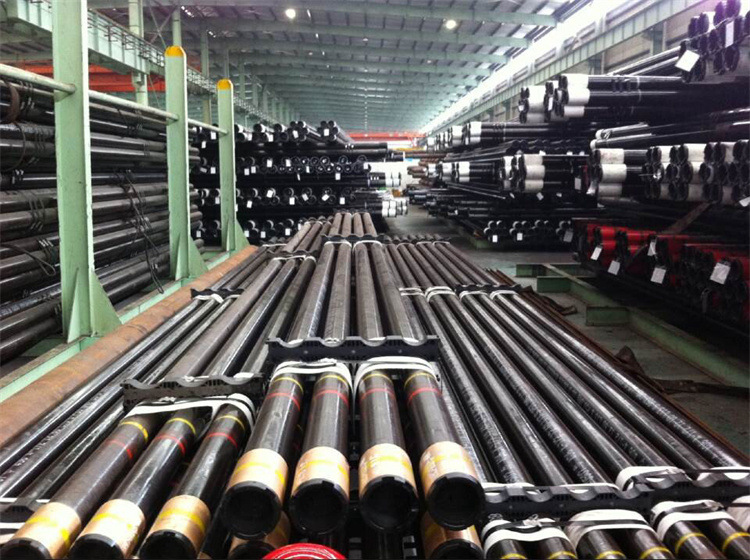
تشهد صناعة النفط والغاز تطورًا مستمرًا، حيث يؤدي التقدم التكنولوجي إلى تعزيز الابتكار والكفاءة. أحد المجالات التي شهدت تقدمًا كبيرًا هو تطوير مواد جديدة لتغليف النفط تعد بتعزيز المتانة والكفاءة في عمليات التنقيب عن النفط. تم تصميم هذه المواد الجديدة لتحمل الظروف القاسية لآبار النفط، مما يوفر حاجزًا موثوقًا بين حفرة البئر والبيئة المحيطة.
الأنابيب الحلقية الصين أفضل تجار الجملة
الممارسات المستدامة والأثر البيئي لتقنيات تغليف النفط الجديدة
لطالما كانت صناعة النفط والغاز لاعبا حاسما في الاقتصاد العالمي، حيث توفر الطاقة اللازمة لتشغيل مختلف القطاعات والأنشطة. ومع ذلك، فإن عمليات الاستخراج والإنتاج المرتبطة بالنفط والغاز أثارت مخاوف بشأن تأثيرها البيئي. في السنوات الأخيرة، كان هناك تركيز متزايد على تطوير ممارسات مستدامة داخل الصناعة للتخفيف من هذه المخاوف وتقليل البصمة البيئية الإجمالية لعمليات النفط والغاز.
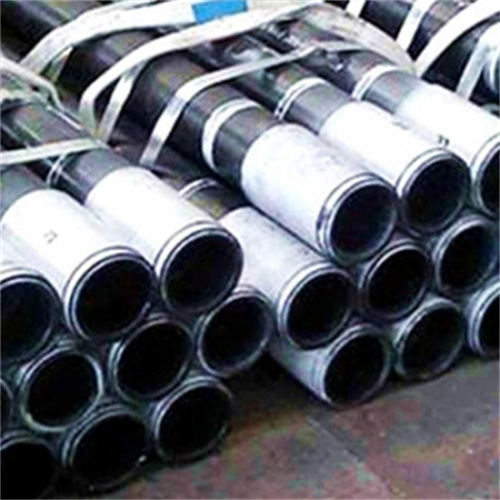
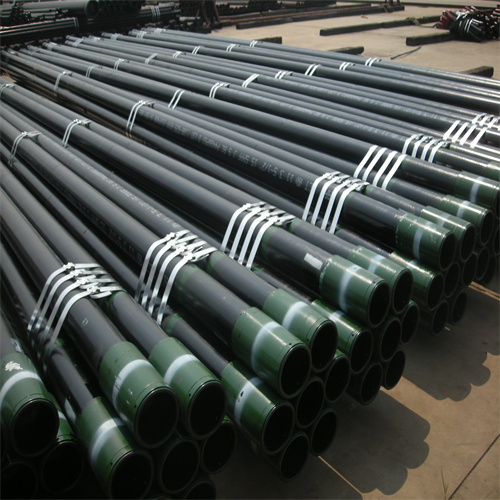
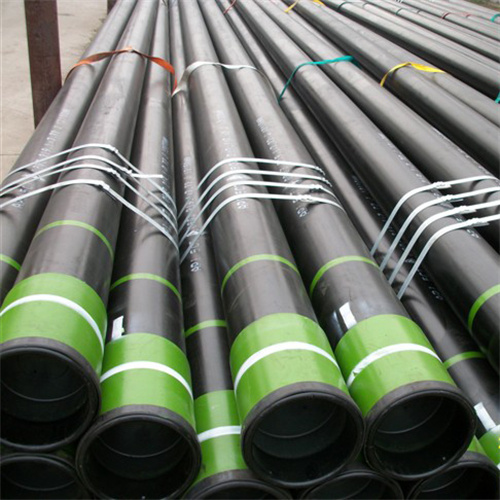
أحد المجالات التي شهدت تقدمًا كبيرًا من حيث الاستدامة هو تطوير تقنيات غلاف النفط الجديدة. يلعب غلاف النفط دورًا حاسمًا في آبار النفط والغاز، حيث يوفر الدعم الهيكلي ويضمن سلامة حفرة البئر. لقد تم استخدام مواد تغليف النفط التقليدية، مثل الفولاذ، على نطاق واسع في الصناعة. ومع ذلك، تأتي هذه المواد مع مجموعة من التحديات البيئية الخاصة بها، بما في ذلك الاستهلاك العالي للطاقة أثناء الإنتاج واحتمال التآكل بمرور الوقت.
لمواجهة هذه التحديات، قام الباحثون وخبراء الصناعة باستكشاف مواد وتقنيات بديلة لتغليف النفط التي توفر تحسين الاستدامة والأداء البيئي. أحد التطورات الواعدة في هذا المجال هو استخدام المواد المركبة لتغليف النفط. المواد المركبة هي مواد مصنوعة من مادتين أو أكثر من المواد التأسيسية ذات خصائص فيزيائية أو كيميائية مختلفة، يتم دمجها لإنشاء مادة ذات خصائص محسنة.
توفر أغلفة الزيت المركبة العديد من المزايا مقارنة بأغلفة الفولاذ التقليدية. فهي أخف وزنًا، مما يمكن أن يقلل من استهلاك الطاقة الإجمالي المرتبط بالنقل والتركيب. بالإضافة إلى ذلك، فإن المواد المركبة أكثر مقاومة للتآكل والتدهور، مما يؤدي إلى عمر خدمة أطول وتقليل متطلبات الصيانة. لا يؤدي هذا إلى تحسين الكفاءة التشغيلية لآبار النفط والغاز فحسب، بل يقلل أيضًا من التأثير البيئي المرتبط بأنشطة استبدال وصيانة الغلاف.
علاوة على ذلك، يمكن أن يكون إنتاج المواد المركبة لغلاف النفط أكثر استدامة مقارنة بعمليات تصنيع الفولاذ التقليدية. يمكن تصميم المواد المركبة لتكون قابلة لإعادة التدوير أو للتحلل الحيوي، مما يقلل من التأثير البيئي في نهاية مدة خدمتها. بالإضافة إلى ذلك، يمكن تحسين عمليات تصنيع المواد المركبة لتقليل توليد النفايات واستهلاك الطاقة، مما يزيد من تعزيز أوراق اعتماد الاستدامة.
بالإضافة إلى المواد المستخدمة، يتم أيضًا تطوير تقنيات جديدة لتغليف الزيت لتحسين الأداء البيئي العام للنفط و عمليات الغاز. على سبيل المثال، يمكن لأنظمة المراقبة وتحليل البيانات المتقدمة أن تساعد في تحسين الأداء الجيد وتقليل مخاطر التسربات أو الانسكابات. يمكن لتقنيات الأتمتة أيضًا تعزيز الكفاءة التشغيلية والسلامة، مما يقلل بشكل أكبر من التأثير البيئي لإنتاج النفط والغاز.
بشكل عام، فإن تطوير تقنيات جديدة لتغليف النفط يحمل وعدًا كبيرًا لاستكشاف وإنتاج النفط والغاز بطريقة أكثر استدامة وصديقة للبيئة بطريقة ودية. ومن خلال الاستفادة من المواد والتقنيات المبتكرة، يمكن للصناعة تقليل بصمتها البيئية، وتحسين الكفاءة التشغيلية، والمساهمة في مستقبل طاقة أكثر استدامة.
Sustainable Practices and Environmental Impact of New Oil Casing Technologies
The Oil and Gas industry has long been a critical player in the global economy, providing the energy needed to power various sectors and activities. However, the extraction and production processes associated with oil and gas have raised concerns about their environmental impact. In recent years, there has been a growing emphasis on developing sustainable practices within the industry to mitigate these concerns and reduce the overall environmental footprint of oil and gas operations.
One area that has seen significant advancements in terms of sustainability is the development of new oil casing technologies. Oil casing plays a crucial role in oil and gas wells, providing structural support and ensuring the integrity of the wellbore. Traditional Oil casing Materials, such as Steel, have been widely used in the industry. However, these materials come with their own set of environmental challenges, including high energy consumption during production and the potential for corrosion over time.
To address these challenges, researchers and industry experts have been exploring alternative materials and technologies for oil casing that offer improved sustainability and environmental performance. One promising development in this area is the use of composite materials for oil casing. Composites are materials made from two or more constituent materials with different physical or chemical properties, combined to create a material with enhanced characteristics.
Composite oil casings offer several advantages over traditional steel casings. They are lighter in Weight, which can reduce the overall energy consumption associated with transportation and installation. Additionally, composite materials are more resistant to corrosion and degradation, leading to longer service life and reduced Maintenance requirements. This not only improves the operational efficiency of oil and gas wells but also reduces the environmental impact associated with casing replacement and maintenance activities.
Furthermore, the production of composite materials for oil casing can be more sustainable compared to traditional steel manufacturing processes. Composite materials can be designed to be recyclable or biodegradable, reducing the environmental impact at the end of their service life. Additionally, the manufacturing processes for composites can be optimized to minimize waste generation and energy consumption, further enhancing their sustainability credentials.
In addition to the materials used, new oil casing technologies are also being developed to improve the overall environmental performance of oil and gas operations. For example, advanced monitoring and data analytics systems can help optimize well performance and reduce the risk of leaks or spills. Automation technologies can also enhance operational efficiency and safety, further reducing the environmental impact of oil and gas production.
Overall, the development of new oil casing technologies holds great promise for the exploration and production of oil and gas in a more sustainable and environmentally friendly manner. By leveraging innovative materials and technologies, the industry can reduce its environmental footprint, improve operational efficiency, and contribute to a more sustainable energy future.