নতুন তেল আবরণ বাজারে স্থায়িত্ব এবং দক্ষতা উন্নত
কলাকার টিউব চীন সেরা পাইকারি
টেকসই অনুশীলন এবং নতুন তেল আবরণ প্রযুক্তির পরিবেশগত প্রভাব
তৈল ও গ্যাস শিল্প দীর্ঘকাল ধরে বিশ্ব অর্থনীতিতে একটি গুরুত্বপূর্ণ খেলোয়াড়, বিভিন্ন সেক্টর এবং ক্রিয়াকলাপের জন্য প্রয়োজনীয় শক্তি সরবরাহ করে। যাইহোক, তেল এবং গ্যাসের সাথে যুক্ত নিষ্কাশন এবং উত্পাদন প্রক্রিয়াগুলি তাদের পরিবেশগত প্রভাব সম্পর্কে উদ্বেগ উত্থাপন করেছে। সাম্প্রতিক বছরগুলিতে, এই উদ্বেগগুলি প্রশমিত করতে এবং তেল ও গ্যাস অপারেশনগুলির সামগ্রিক পরিবেশগত পদচিহ্ন হ্রাস করার জন্য শিল্পের মধ্যে টেকসই অনুশীলনের বিকাশের উপর ক্রমবর্ধমান জোর দেওয়া হয়েছে। নতুন তেল আবরণ প্রযুক্তি। তেলের আবরণ তেল এবং গ্যাস কূপের ক্ষেত্রে একটি গুরুত্বপূর্ণ ভূমিকা পালন করে, কাঠামোগত সহায়তা প্রদান করে এবং ওয়েলবোরের অখণ্ডতা নিশ্চিত করে। ঐতিহ্যগত তেল আবরণ উপকরণ, যেমন ইস্পাত, ব্যাপকভাবে শিল্পে ব্যবহৃত হয়েছে. যাইহোক, এই উপকরণগুলি তাদের নিজস্ব পরিবেশগত চ্যালেঞ্জগুলির সাথে আসে, যার মধ্যে রয়েছে উৎপাদনের সময় উচ্চ শক্তি খরচ এবং সময়ের সাথে সাথে ক্ষয় হওয়ার সম্ভাবনা। উন্নত স্থায়িত্ব এবং পরিবেশগত কর্মক্ষমতা। এই এলাকায় একটি প্রতিশ্রুতিশীল উন্নয়ন হল তেল আবরণ জন্য যৌগিক উপকরণ ব্যবহার. কম্পোজিট হল বিভিন্ন ভৌত বা রাসায়নিক বৈশিষ্ট্য সহ দুটি বা ততোধিক উপাদান থেকে তৈরি উপাদান, যা উন্নত বৈশিষ্ট্য সহ একটি উপাদান তৈরি করতে একত্রিত হয়। এগুলি ওজনে হালকা, যা পরিবহন এবং ইনস্টলেশনের সাথে যুক্ত সামগ্রিক শক্তি খরচ কমাতে পারে। অতিরিক্তভাবে, যৌগিক উপকরণগুলি ক্ষয় এবং অবক্ষয়ের জন্য আরও প্রতিরোধী, যা দীর্ঘ পরিষেবা জীবন এবং রক্ষণাবেক্ষণের প্রয়োজনীয়তা হ্রাস করে। এটি শুধুমাত্র তেল ও গ্যাস কূপের কার্যকারিতাই উন্নত করে না বরং কেসিং প্রতিস্থাপন এবং রক্ষণাবেক্ষণ কার্যক্রমের সাথে সম্পর্কিত পরিবেশগত প্রভাবকেও হ্রাস করে। যৌগিক উপকরণগুলিকে পুনর্ব্যবহারযোগ্য বা জৈব-অবচনযোগ্য করার জন্য ডিজাইন করা যেতে পারে, তাদের পরিষেবা জীবনের শেষে পরিবেশগত প্রভাব হ্রাস করে। উপরন্তু, কম্পোজিটগুলির জন্য উত্পাদন প্রক্রিয়াগুলিকে বর্জ্য উত্পাদন এবং শক্তি খরচ কমানোর জন্য অপ্টিমাইজ করা যেতে পারে, তাদের স্থায়িত্বের প্রমাণপত্রগুলিকে আরও উন্নত করে৷ গ্যাস অপারেশন। উদাহরণস্বরূপ, উন্নত মনিটরিং এবং ডেটা অ্যানালিটিক্স সিস্টেমগুলি ভাল কর্মক্ষমতা অপ্টিমাইজ করতে এবং ফাঁস বা ছড়িয়ে পড়ার ঝুঁকি কমাতে সাহায্য করতে পারে। অটোমেশন প্রযুক্তিগুলি তেল ও গ্যাস উৎপাদনের পরিবেশগত প্রভাবকে আরও কমিয়ে, অপারেশনাল দক্ষতা এবং নিরাপত্তা বাড়াতে পারে। বন্ধুত্বপূর্ণ পদ্ধতিতে। উদ্ভাবনী উপকরণ এবং প্রযুক্তির ব্যবহার করে, শিল্পটি তার পরিবেশগত পদচিহ্ন কমাতে পারে, কর্মক্ষম দক্ষতা উন্নত করতে পারে এবং আরও টেকসই শক্তি ভবিষ্যতে অবদান রাখতে পারে।
In conclusion, the development of new Oil Casing Materials represents a significant step forward in the evolution of the Oil and Gas industry. With their enhanced durability, efficiency, and environmental benefits, these materials are poised to revolutionize the way Oil Wells are drilled and maintained. As technology contiNues to advance, we can expect further innovations in the oil casing market, driving continued progress and success in the exploration and production of oil and gas resources.
Sustainable Practices and Environmental Impact of New Oil Casing Technologies
The oil and gas industry has long been a critical player in the global economy, providing the energy needed to power various sectors and activities. However, the extraction and production processes associated with oil and gas have raised concerns about their environmental impact. In recent years, there has been a growing emphasis on developing sustainable practices within the industry to mitigate these concerns and reduce the overall environmental footprint of oil and gas operations.
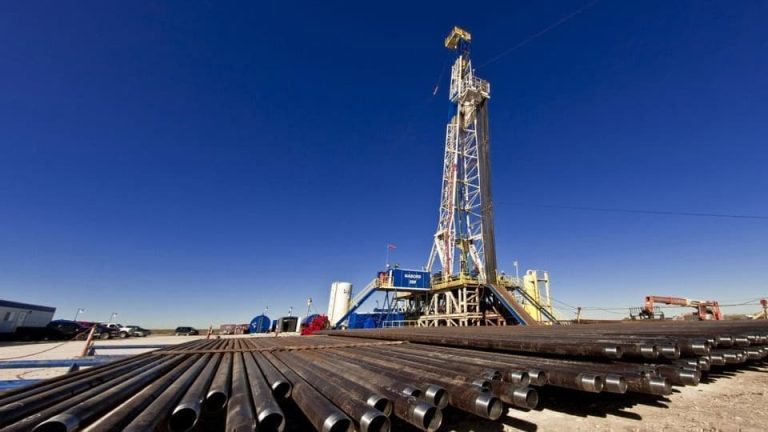
One area that has seen significant advancements in terms of sustainability is the development of new oil casing technologies. Oil casing plays a crucial role in oil and gas wells, providing structural support and ensuring the integrity of the wellbore. Traditional oil casing materials, such as Steel, have been widely used in the industry. However, these materials come with their own set of environmental challenges, including high energy consumption during production and the potential for corrosion over time.
To address these challenges, researchers and industry experts have been exploring alternative materials and technologies for oil casing that offer improved sustainability and environmental performance. One promising development in this area is the use of composite materials for oil casing. Composites are materials made from two or more constituent materials with different physical or chemical properties, combined to create a material with enhanced characteristics.
Composite oil casings offer several advantages over traditional steel casings. They are lighter in Weight, which can reduce the overall energy consumption associated with transportation and installation. Additionally, composite materials are more resistant to corrosion and degradation, leading to longer service life and reduced Maintenance requirements. This not only improves the operational efficiency of oil and gas wells but also reduces the environmental impact associated with casing replacement and maintenance activities.
Furthermore, the production of composite materials for oil casing can be more sustainable compared to traditional steel manufacturing processes. Composite materials can be designed to be recyclable or biodegradable, reducing the environmental impact at the end of their service life. Additionally, the manufacturing processes for composites can be optimized to minimize waste generation and energy consumption, further enhancing their sustainability credentials.
In addition to the materials used, new oil casing technologies are also being developed to improve the overall environmental performance of oil and gas operations. For example, advanced monitoring and data analytics systems can help optimize well performance and reduce the risk of leaks or spills. Automation technologies can also enhance operational efficiency and safety, further reducing the environmental impact of oil and gas production.
Overall, the development of new oil casing technologies holds great promise for the exploration and production of oil and gas in a more sustainable and environmentally friendly manner. By leveraging innovative materials and technologies, the industry can reduce its environmental footprint, improve operational efficiency, and contribute to a more sustainable energy future.