新型オイルケーシング市場における耐久性と効率の向上
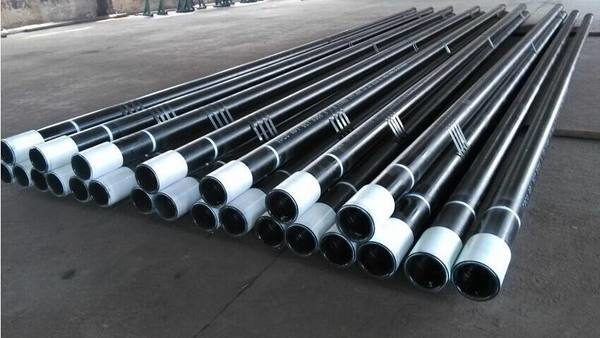
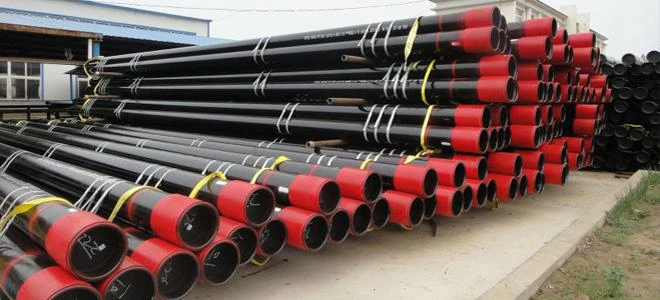
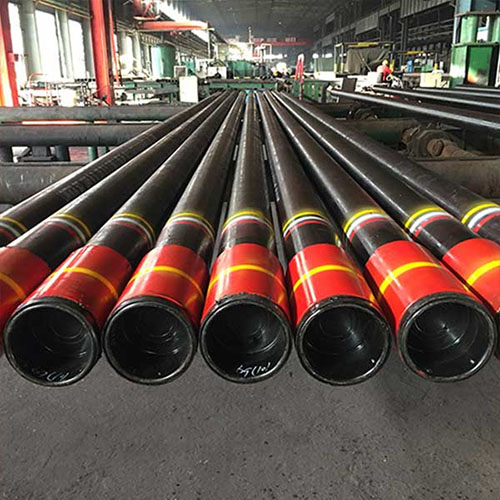
これらの新しいオイルケーシング材料の主な利点の 1 つは、耐久性の向上です。スチールなどの従来のケーシング素材は、時間の経過とともに腐食や摩耗が起こりやすく、修理やメンテナンスに多額の費用がかかる可能性があります。対照的に、新しい材料は、腐食、摩耗、その他の劣化に対する耐性が高まるように設計されており、耐用年数が長くなり、油井のダウンタイムが短縮されます。
これらの新しいオイル ケーシング材料は、耐久性の向上に加えて、石油掘削作業の効率を向上させます。高度な製造技術と材料科学を使用することにより、メーカーは従来の材料よりも軽く、強く、より柔軟なケーシングを製造することができます。これにより、ケーシングストリングの取り付けと取り外しが容易になり、掘削作業に必要な時間と労力が削減されます。
さらに、これらの新しいオイルケーシング材料の効率向上により、石油会社のコスト削減につながる可能性があります。頻繁なメンテナンスや修理の必要性を減らすことで、オペレーターは全体的な運営コストを削減し、掘削プロジェクトの収益性を向上させることができます。さらに、ケーシングの耐久性が向上すると、坑井と周囲の岩層の間に信頼性の高い障壁が提供されるため、油流出などの費用のかかる環境事故を防ぐことができます。
新しいオイルケーシング市場のもう 1 つの重要な側面は、持続可能性に焦点を当てていることです。そして環境への責任。石油とガスの世界的な需要が増加し続ける中、掘削作業による環境への影響を最小限に抑える必要性が高まっています。先進的なケーシング材料の使用は、漏れや流出のリスクを軽減し、環境を保護し、規制への遵守を保証するのに役立ちます。
全体として、新しいオイルケーシング市場は、石油およびガス資源の探査と生産に大きな期待を抱いています。先進的な材料と製造技術を組み込むことで、オペレーターは掘削作業の耐久性、効率性、持続可能性を向上させることができます。これらの進歩は、コストの削減と生産性の向上によって業界に利益をもたらすだけでなく、石油とガスの採掘に対する、より環境に配慮したアプローチにも貢献します。
環状管中国優良卸売業者
結論として、新しいオイルケーシング材料の開発は、石油・ガス産業の進化における重要な前進を意味します。これらの材料は、耐久性、効率性、環境上の利点が強化されており、油井の掘削と維持の方法に革命を起こす準備ができています。技術が進歩し続けるにつれて、オイルケーシング市場ではさらなる革新が期待され、石油およびガス資源の探査と生産における継続的な進歩と成功が促進されることが期待されます。
新しいオイルケーシング技術の持続可能な実践と環境への影響
石油・ガス産業は長年にわたって世界経済において重要な役割を担っており、さまざまなセクターや活動を推進するために必要なエネルギーを供給してきました。しかし、石油とガスに関連する抽出および生産プロセスは、環境への影響についての懸念を引き起こしています。近年、これらの懸念を軽減し、石油およびガス事業による全体的な環境フットプリントを削減するために、業界内で持続可能な慣行を開発することにますます重点が置かれています。
持続可能性の観点から大きな進歩が見られる分野の 1 つは、新しいオイルケーシング技術。オイルケーシングは、油井およびガス井において重要な役割を果たし、構造的な支持を提供し、坑井の完全性を確保します。スチールなどの従来のオイルケーシング材料は、業界で広く使用されてきました。ただし、これらの材料には、製造中の高いエネルギー消費や時間の経過による腐食の可能性など、独自の環境課題が伴います。
これらの課題に対処するために、研究者や業界の専門家は、次のようなメリットを提供するオイル ケーシングの代替材料と技術を模索してきました。持続可能性と環境パフォーマンスの向上。この分野における有望な開発の 1 つは、オイルケーシングに複合材料を使用することです。複合材料は、物理的または化学的特性が異なる 2 つ以上の構成材料を組み合わせて、特性を高めた材料を作成する材料です。
複合オイル ケーシングには、従来のスチール ケーシングに比べていくつかの利点があります。重量が軽いため、輸送や設置に伴う全体的なエネルギー消費を削減できます。さらに、複合材料は腐食や劣化に対する耐性が高いため、耐用年数が長くなり、メンテナンスの必要性が軽減されます。これにより、油井やガス井の運用効率が向上するだけでなく、ケーシングの交換やメンテナンス活動に伴う環境への影響も軽減されます。
さらに、オイルケーシング用の複合材料の生産は、従来の鉄鋼製造プロセスと比較して、より持続可能です。複合材料はリサイクル可能または生分解可能になるように設計でき、耐用年数終了時の環境への影響を軽減できます。さらに、複合材料の製造プロセスを最適化して廃棄物の発生とエネルギー消費を最小限に抑えることができ、その持続可能性の証明をさらに高めることができます。
使用される材料に加えて、オイルとオイルの全体的な環境性能を向上させるための新しいオイルケーシング技術も開発されています。ガス事業。たとえば、高度な監視およびデータ分析システムは、坑井のパフォーマンスを最適化し、漏れや流出のリスクを軽減するのに役立ちます。また、自動化技術により、運用効率と安全性が向上し、石油とガス生産の環境への影響がさらに軽減されます。
全体として、新しいオイル ケーシング技術の開発は、より持続可能で環境に優しい方法での石油とガスの探査と生産に大きな期待を抱いています。フレンドリーな態度。革新的な材料と技術を活用することで、業界は環境フットプリントを削減し、運用効率を向上させ、より持続可能なエネルギーの未来に貢献できます。
The Oil and Gas industry has long been a critical player in the global economy, providing the energy needed to power various sectors and activities. However, the extraction and production processes associated with oil and gas have raised concerns about their environmental impact. In recent years, there has been a growing emphasis on developing sustainable practices within the industry to mitigate these concerns and reduce the overall environmental footprint of oil and gas operations.
One area that has seen significant advancements in terms of sustainability is the development of new Oil Casing technologies. Oil casing plays a crucial role in oil and gas wells, providing structural support and ensuring the integrity of the wellbore. Traditional Oil casing Materials, such as Steel, have been widely used in the industry. However, these materials come with their own set of environmental challenges, including high energy consumption during production and the potential for corrosion over time.
To address these challenges, researchers and industry experts have been exploring alternative materials and technologies for oil casing that offer improved sustainability and environmental performance. One promising development in this area is the use of composite materials for oil casing. Composites are materials made from two or more constituent materials with different physical or chemical properties, combined to create a material with enhanced characteristics.
Composite oil casings offer several advantages over traditional steel casings. They are lighter in Weight, which can reduce the overall energy consumption associated with transportation and installation. Additionally, composite materials are more resistant to corrosion and degradation, leading to longer service life and reduced Maintenance requirements. This not only improves the operational efficiency of oil and gas wells but also reduces the environmental impact associated with casing replacement and maintenance activities.
Furthermore, the production of composite materials for oil casing can be more sustainable compared to traditional steel manufacturing processes. Composite materials can be designed to be recyclable or biodegradable, reducing the environmental impact at the end of their service life. Additionally, the manufacturing processes for composites can be optimized to minimize waste generation and energy consumption, further enhancing their sustainability credentials.
In addition to the materials used, new oil casing technologies are also being developed to improve the overall environmental performance of oil and gas operations. For example, advanced monitoring and data analytics systems can help optimize well performance and reduce the risk of leaks or spills. Automation technologies can also enhance operational efficiency and safety, further reducing the environmental impact of oil and gas production.
Overall, the development of new oil casing technologies holds great promise for the exploration and production of oil and gas in a more sustainable and environmentally friendly manner. By leveraging innovative materials and technologies, the industry can reduce its environmental footprint, improve operational efficiency, and contribute to a more sustainable energy future.