Kuimarishwa kwa Uimara na Ufanisi katika Soko Jipya la Kabati la Mafuta
annular tubes china Wauzaji Bora wa Jumla
Matendo Endelevu na Athari za Kimazingira za Teknolojia Mpya ya Kuweka Mafuta
Sekta ya mafuta na gesi kwa muda mrefu imekuwa mdau muhimu katika uchumi wa dunia, ikitoa nishati inayohitajika kuendesha sekta na shughuli mbalimbali. Hata hivyo, michakato ya uchimbaji na uzalishaji inayohusishwa na mafuta na gesi imeibua wasiwasi kuhusu athari zao za mazingira. Katika miaka ya hivi majuzi, kumekuwa na msisitizo unaokua wa kuendeleza mazoea endelevu ndani ya tasnia ili kupunguza wasiwasi huu na kupunguza alama ya jumla ya mazingira ya shughuli za mafuta na gesi.
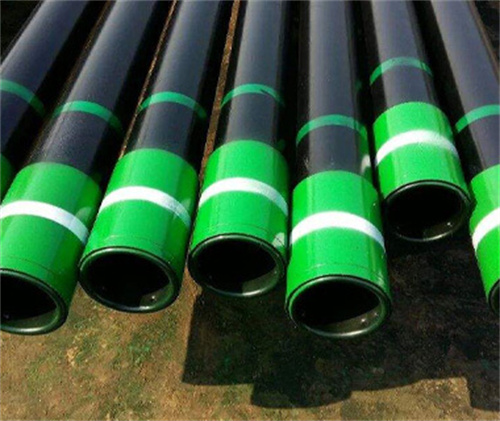
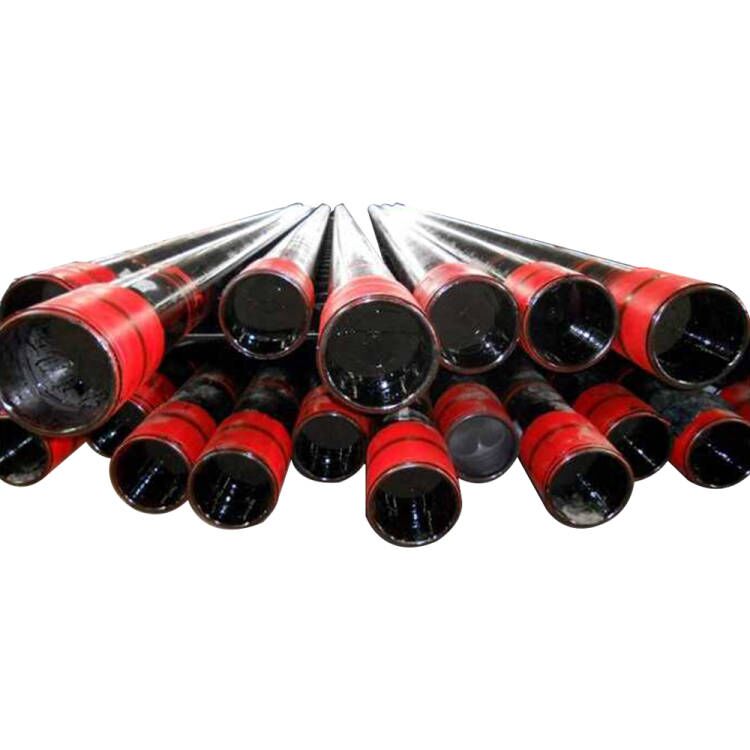
Eneo moja ambalo limeona maendeleo makubwa katika suala la uendelevu ni maendeleo ya teknolojia mpya ya kuhifadhi mafuta. Hifadhi ya mafuta ina jukumu muhimu katika visima vya mafuta na gesi, kutoa usaidizi wa kimuundo na kuhakikisha uadilifu wa kisima. Vifaa vya jadi vya kuweka mafuta, kama vile chuma, vimetumika sana katika tasnia. Hata hivyo, nyenzo hizi huja na changamoto zao za kimazingira, ikiwa ni pamoja na matumizi ya juu ya nishati wakati wa uzalishaji na uwezekano wa kutu baada ya muda. kuboresha uendelevu na utendaji wa mazingira. Moja ya maendeleo ya kuahidi katika eneo hili ni matumizi ya vifaa vya mchanganyiko kwa Casing ya mafuta. Michanganyiko ni nyenzo zilizotengenezwa kutoka kwa nyenzo kuu mbili au zaidi zenye sifa tofauti za kimaumbile au kemikali, zikiunganishwa ili kuunda nyenzo iliyo na sifa zilizoboreshwa.
Kamba za mafuta ya mchanganyiko hutoa faida kadhaa juu ya maganda ya chuma ya kitamaduni. Wao ni nyepesi kwa uzito, ambayo inaweza kupunguza matumizi ya jumla ya nishati yanayohusiana na usafiri na ufungaji. Zaidi ya hayo, nyenzo zenye mchanganyiko ni sugu zaidi kwa kutu na uharibifu, na kusababisha maisha marefu ya huduma na kupunguza mahitaji ya matengenezo. Hii sio tu inaboresha ufanisi wa uendeshaji wa visima vya mafuta na gesi lakini pia hupunguza athari ya mazingira inayohusishwa na shughuli za uingizwaji na matengenezo ya casing.
Aidha, utengenezaji wa nyenzo za uundaji wa visima vya mafuta unaweza kuwa endelevu zaidi ikilinganishwa na michakato ya jadi ya utengenezaji wa chuma. Nyenzo zenye mchanganyiko zinaweza kutengenezwa ili ziweze kutumika tena au kuharibika, na hivyo kupunguza athari za kimazingira mwishoni mwa maisha yao ya huduma. Zaidi ya hayo, michakato ya utengenezaji wa composites inaweza kuboreshwa ili kupunguza uzalishaji wa taka na matumizi ya nishati, na kuimarisha zaidi stakabadhi zao za uendelevu.
Mbali na nyenzo zinazotumika, teknolojia mpya za kuhifadhi mafuta pia zinatengenezwa ili kuboresha utendaji wa jumla wa mazingira wa mafuta na shughuli za gesi. Kwa mfano, ufuatiliaji wa hali ya juu na mifumo ya uchanganuzi wa data inaweza kusaidia kuboresha utendakazi na kupunguza hatari ya uvujaji au kumwagika. Teknolojia za otomatiki pia zinaweza kuongeza ufanisi wa kiutendaji na usalama, na kupunguza zaidi athari za mazingira za uzalishaji wa mafuta na gesi. namna ya kirafiki. Kwa kutumia nyenzo na teknolojia bunifu, tasnia inaweza kupunguza kiwango chake cha mazingira, kuboresha ufanisi wa utendaji kazi, na kuchangia katika siku zijazo za nishati endelevu.
In conclusion, the development of new Oil Casing Materials represents a significant step forward in the evolution of the Oil and Gas industry. With their enhanced durability, efficiency, and environmental benefits, these materials are poised to revolutionize the way Oil Wells are drilled and maintained. As technology contiNues to advance, we can expect further innovations in the oil casing market, driving continued progress and success in the exploration and production of oil and gas resources.
Sustainable Practices and Environmental Impact of New Oil Casing Technologies
The oil and gas industry has long been a critical player in the global economy, providing the energy needed to power various sectors and activities. However, the extraction and production processes associated with oil and gas have raised concerns about their environmental impact. In recent years, there has been a growing emphasis on developing sustainable practices within the industry to mitigate these concerns and reduce the overall environmental footprint of oil and gas operations.
One area that has seen significant advancements in terms of sustainability is the development of new oil casing technologies. Oil casing plays a crucial role in oil and gas wells, providing structural support and ensuring the integrity of the wellbore. Traditional oil casing materials, such as Steel, have been widely used in the industry. However, these materials come with their own set of environmental challenges, including high energy consumption during production and the potential for corrosion over time.
To address these challenges, researchers and industry experts have been exploring alternative materials and technologies for oil casing that offer improved sustainability and environmental performance. One promising development in this area is the use of composite materials for oil casing. Composites are materials made from two or more constituent materials with different physical or chemical properties, combined to create a material with enhanced characteristics.
Composite oil casings offer several advantages over traditional steel casings. They are lighter in Weight, which can reduce the overall energy consumption associated with transportation and installation. Additionally, composite materials are more resistant to corrosion and degradation, leading to longer service life and reduced Maintenance requirements. This not only improves the operational efficiency of oil and gas wells but also reduces the environmental impact associated with casing replacement and maintenance activities.
Furthermore, the production of composite materials for oil casing can be more sustainable compared to traditional steel manufacturing processes. Composite materials can be designed to be recyclable or biodegradable, reducing the environmental impact at the end of their service life. Additionally, the manufacturing processes for composites can be optimized to minimize waste generation and energy consumption, further enhancing their sustainability credentials.
In addition to the materials used, new oil casing technologies are also being developed to improve the overall environmental performance of oil and gas operations. For example, advanced monitoring and data analytics systems can help optimize well performance and reduce the risk of leaks or spills. Automation technologies can also enhance operational efficiency and safety, further reducing the environmental impact of oil and gas production.
Overall, the development of new oil casing technologies holds great promise for the exploration and production of oil and gas in a more sustainable and environmentally friendly manner. By leveraging innovative materials and technologies, the industry can reduce its environmental footprint, improve operational efficiency, and contribute to a more sustainable energy future.