গভীরতা অন্বেষণ: গভীর-সমুদ্র ড্রিলিং এর লুকানো সম্পদ
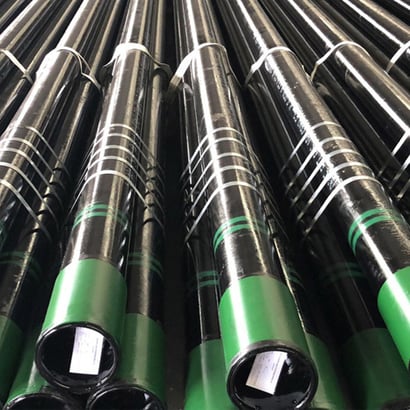
গভীর-সমুদ্র ড্রিলিং প্রযুক্তিগত অগ্রগতির অগ্রভাগে দাঁড়িয়েছে, সমুদ্রের তলদেশে লুকিয়ে থাকা শক্তির সম্পদের বিশাল ভাণ্ডারকে আনলক করে। এই সীমান্তকে এগিয়ে নিয়ে যাওয়া অনেক উদ্ভাবনের মধ্যে, একটি বিশেষ অগ্রগতি শিল্প বিশেষজ্ঞ এবং পরিবেশবিদদের মনোযোগ আকর্ষণ করেছে: অতি-শক্তিশালী, জারা-প্রতিরোধী তেল আবরণ সামগ্রী। এই উন্নত উপকরণগুলি কেবল গভীর-সমুদ্র ড্রিলিং অপারেশনগুলির দক্ষতা এবং সুরক্ষা বাড়ায় না বরং পরিবেশগত প্রভাবগুলি হ্রাস করার প্রতিশ্রুতি দেয়, যা টেকসই শক্তি নিষ্কাশনের দিকে একটি উল্লেখযোগ্য অগ্রগতি চিহ্নিত করে৷ তুরপুন চরম গভীরতায় কাজ করা, প্রায়শই সমুদ্রপৃষ্ঠের নীচে কয়েক হাজার ফুট অতিক্রম করে, উচ্চ চাপ, ক্ষয়কারী লবণাক্ত জল এবং অপ্রত্যাশিত ভূতাত্ত্বিক গঠন সহ কঠোর পরিস্থিতিতে সরঞ্জামগুলিকে উন্মুক্ত করে। প্রথাগত উপকরণ, যদিও অগভীর জলের জন্য পর্যাপ্ত, এই চরম পরিবেশে অপর্যাপ্ত প্রমাণ করে, যেখানে স্থিতিস্থাপকতা এবং দীর্ঘায়ু সর্বাপেক্ষা গুরুত্বপূর্ণ। প্রচুর চাপ সহ্য করার জন্য এবং বর্ধিত সময়ের জন্য সমুদ্রের জলের ক্ষয়কারী প্রভাবগুলিকে প্রতিরোধ করার জন্য প্রকৌশলী, এই উপকরণগুলি অফশোর ড্রিলিং প্রযুক্তিতে একটি সমালোচনামূলক বিবর্তনের প্রতিনিধিত্ব করে। সাধারণত ক্রোমিয়াম এবং নিকেলের মতো উপাদানগুলির সাথে স্টিলের সংমিশ্রণে সংমিশ্রণে গঠিত, তারা উচ্চতর যান্ত্রিক বৈশিষ্ট্য নিয়ে গর্ব করে যা প্রচুর চাপের মধ্যে কাঠামোগত অখণ্ডতা নিশ্চিত করে। এই স্থায়িত্ব শুধুমাত্র কর্মক্ষম নিরাপত্তা বাড়ায় না বরং ড্রিলিং সরঞ্জামের আয়ুষ্কাল বাড়ায়, রক্ষণাবেক্ষণ এবং প্রতিস্থাপন চক্রের ফ্রিকোয়েন্সি হ্রাস করে। সরঞ্জামের ব্যর্থতা এবং ফাঁসের ঝুঁকি হ্রাস করে, তারা তেল ছড়িয়ে পড়ার মতো পরিবেশগত বিপর্যয়ের সম্ভাবনাকে হ্রাস করে, যা সামুদ্রিক বাস্তুতন্ত্রের উপর বিধ্বংসী পরিণতি ঘটাতে পারে। এই নির্ভরযোগ্যতা দায়িত্বশীল সম্পদ আহরণের প্রতি শিল্পের মধ্যে একটি বৃহত্তর প্রতিশ্রুতিকে আন্ডারস্কোর করে, পরিবেশগত স্টুয়ার্ডশিপের সাথে অর্থনৈতিক স্বার্থকে একত্রিত করে। . গবেষণা এবং উন্নয়ন উদ্যোগগুলি গভীর-সমুদ্র ড্রিলিং অপারেশনগুলির কঠোর চাহিদা মেটাতে উপাদান গঠন এবং উত্পাদন প্রক্রিয়াগুলিকে অপ্টিমাইজ করার উপর দৃষ্টি নিবদ্ধ করেছে। উন্নত ঢালাই কৌশল এবং নির্ভুল যন্ত্রের মতো উদ্ভাবনগুলি এই উপকরণগুলির কার্যক্ষমতা এবং উত্পাদন ক্ষমতাকে আরও উন্নত করেছে, অফশোর শক্তি সেক্টর জুড়ে তাদের ব্যাপক গ্রহণের পথ প্রশস্ত করেছে৷ গভীর সমুদ্র তুরপুন রিগ. বর্ধিত জারা প্রতিরোধের অর্থ হল কর্মক্ষম ডাউনটাইম এবং রক্ষণাবেক্ষণ খরচ হ্রাস করা, যা তেল কোম্পানিগুলির জন্য উন্নত দক্ষতা এবং লাভজনকতায় অনুবাদ করা। অধিকন্তু, গভীরতর ড্রিল করার এবং পূর্বে অব্যবহৃত মজুদ অ্যাক্সেস করার ক্ষমতা শক্তি অন্বেষণে নতুন সীমানা উন্মোচন করে, যা আগামী বছরগুলিতে বিশ্বব্যাপী শক্তির বাজারকে সম্ভাব্যভাবে নতুন আকার দেবে। প্রযুক্তিগত উল্লম্ফন, চলমান গবেষণা এই সমাধানগুলিকে পরিমার্জিত এবং উদ্ভাবন করতে চলেছে। ন্যানো প্রযুক্তিতে অগ্রগতি, উদাহরণস্বরূপ, বস্তুগত শক্তি এবং স্থিতিস্থাপকতা আরও বাড়ানোর প্রতিশ্রুতি ধরে রাখে, গভীর সমুদ্র অনুসন্ধানে যা সম্ভব তার সীমানা ঠেলে দেয়।
আল্ট্রা-স্ট্রং ম্যাটেরিয়ালস উন্মোচন: তেল আবরণ প্রযুক্তির বিপ্লব
গভীর-সমুদ্র খনির পরিবেশগত প্রভাব: ভারসাম্য সম্পদ নিষ্কাশন এবং সংরক্ষণ
গভীর-সমুদ্র ড্রিলিং অতি-শক্তিশালী জারা-প্রতিরোধী তেল আবরণ উপকরণ আবিষ্কারের সাথে একটি দুর্দান্ত ধন উন্মোচন করেছে। এই প্রযুক্তিগত অগ্রগতি গভীর-সমুদ্র ড্রিলিং অপারেশনগুলির স্থায়িত্ব এবং স্থায়িত্ব বৃদ্ধি করে তেল ও গ্যাস শিল্পে বিপ্লব ঘটানোর প্রতিশ্রুতি দেয়। যাইহোক, যেকোন প্রযুক্তিগত অগ্রগতির মতোই, এটি উল্লেখযোগ্য পরিবেশগত প্রভাবকে উত্থাপন করে যা সতর্কতার সাথে বিবেচনার দাবি রাখে। সমুদ্রের জলের ক্ষয়কারী প্রকৃতি এবং গভীরতায় সম্মুখীন উচ্চ চাপ এবং তাপমাত্রার কারণে এই চরম পরিবেশে ঐতিহ্যবাহী ড্রিলিং পদ্ধতিগুলি চ্যালেঞ্জের সম্মুখীন হয়েছে। প্রচলিত তেল আবরণ উপকরণ প্রায়ই এই অবস্থার অধীনে অখণ্ডতা বজায় রাখার জন্য সংগ্রাম করে, যা ঘন ঘন রক্ষণাবেক্ষণের সমস্যা এবং পরিবেশগত ঝুঁকির দিকে পরিচালিত করে। এই উপকরণগুলি বিশেষভাবে গভীর-সমুদ্র তুরপুনের কঠোর অবস্থা সহ্য করার জন্য ডিজাইন করা হয়েছে, যা বর্ধিত স্থায়িত্ব এবং নির্ভরযোগ্যতা প্রদান করে। ঘন ঘন রক্ষণাবেক্ষণ এবং মেরামতের প্রয়োজনীয়তা হ্রাস করার মাধ্যমে, তাদের কর্মক্ষম ডাউনটাইম কমিয়ে আনার এবং অফশোর ড্রিলিং কার্যক্রমের সামগ্রিক পরিবেশগত পদচিহ্ন কমানোর সম্ভাবনা রয়েছে। একদিকে, এই উপকরণগুলির বর্ধিত স্থায়িত্ব এবং নির্ভরযোগ্যতা কম ফুটো এবং ছড়িয়ে পড়তে পারে, যার ফলে পরিবেশ দূষণের ঝুঁকি হ্রাস পায়। এটি সংবেদনশীল সামুদ্রিক বাস্তুতন্ত্রের ক্ষেত্রে বিশেষভাবে গুরুত্বপূর্ণ যেখানে এমনকি ছোট আকারের ছিটকেও জীববৈচিত্র্য এবং উপকূলীয় সম্প্রদায়ের উপর গভীর এবং দীর্ঘস্থায়ী প্রভাব ফেলতে পারে। সংরক্ষণ এবং সম্পদ দক্ষতা। তেল আবরণ উপাদানগুলির আয়ুষ্কাল এবং কর্মক্ষমতা উন্নত করে, সময়ের সাথে সাথে কম উপাদানের প্রয়োজন হয়, যার ফলে সম্পদ নিষ্কাশন এবং বর্জ্য উত্পাদন হ্রাস পায়। এটি শিল্প কার্যক্রমের পরিবেশগত পদচিহ্নকে ন্যূনতম করার লক্ষ্যে বৃহত্তর স্থায়িত্বের লক্ষ্যগুলির সাথে সারিবদ্ধ।
যাইহোক, এই উন্নত উপকরণগুলির দ্বারা সহজলভ্য গভীর-সমুদ্র ড্রিলিং প্রযুক্তির ব্যাপক গ্রহণ, সামুদ্রিক বাস্তুতন্ত্রের উপর তাদের সম্ভাব্য দীর্ঘমেয়াদী প্রভাব সম্পর্কে উদ্বেগও উত্থাপন করে। গভীর সমুদ্রের মজুদ থেকে তেল এবং গ্যাস উত্তোলনের সাথে জলের নীচের আবাসস্থল এবং বাস্তুতন্ত্রগুলিকে বিরক্ত করা জড়িত যা প্রায়শই খারাপভাবে বোঝা যায় না। ড্রিলিং তরল ব্যবহার, বর্জ্য পদার্থের উত্পাদন, এবং সমুদ্রতলের পলির ব্যাঘাত সবই আবাসস্থলের অবক্ষয় এবং বাস্তুতন্ত্রের ব্যাঘাত ঘটাতে অবদান রাখতে পারে। মূল্যায়ন যদিও ড্রিলিং প্রযুক্তির অগ্রগতি নতুন শক্তির সংস্থানগুলিতে অ্যাক্সেস বাড়াতে পারে, তারা জীবাশ্ম জ্বালানির উপর সমাজের নির্ভরতাকেও স্থায়ী করে তোলে, সম্ভাব্যভাবে ক্লিনার এবং আরও টেকসই শক্তি বিকল্পে রূপান্তরকে বিলম্বিত করে। পরিবেশ ব্যবস্থাপনা এবং নিয়ন্ত্রণের জন্য বিজ্ঞান-ভিত্তিক পদ্ধতি। সম্ভাব্য পরিবেশগত প্রভাবগুলি প্রশমিত করতে এবং শিল্পের মধ্যে জবাবদিহিতা নিশ্চিত করার জন্য শক্তিশালী মনিটরিং প্রোগ্রাম, কঠোর অপারেশনাল স্ট্যান্ডার্ড এবং স্বচ্ছ রিপোর্টিং প্রক্রিয়া অপরিহার্য।
শেষ পর্যন্ত, অতি-শক্তিশালী জারা-প্রতিরোধী তেল আবরণ উপকরণের আবিষ্কার গভীর-সমুদ্র ড্রিলিং প্রযুক্তির বিবর্তনে একটি উল্লেখযোগ্য মাইলফলক উপস্থাপন করে। অপারেশনাল দক্ষতা এবং পরিবেশগত স্টুয়ার্ডশিপে প্রতিশ্রুতিশীল অগ্রগতি অফার করার সময়, ভবিষ্যত প্রজন্মের জন্য আমাদের সমুদ্রের স্বাস্থ্য এবং অখণ্ডতা রক্ষা করার জন্য তাদের মোতায়েন অবশ্যই কঠোর পরিবেশগত সুরক্ষার সাথে থাকতে হবে। শিল্পের অগ্রগতির সাথে সাথে, সম্পদ আহরণ এবং সংরক্ষণের মধ্যে একটি সূক্ষ্ম ভারসাম্য বজায় রাখা অপরিহার্য, যাতে প্রযুক্তিগত অগ্রগতি টেকসই পরিবেশগত অনুশীলনের সাথে সামঞ্জস্যপূর্ণ হয়।
From a technological standpoint, the integration of advanced Materials into Oil Casing design represents a paradigm shift in offshore engineering. By harnessing the unique properties of carbon composites, Manufacturers can tailor casing solutions to meet specific operational requirements, ensuring compatibility with a range of drilling techniques and environmental conditions. This versatility underscores the adaptability of modern materials science in addressing complex industrial challenges.
As global energy demand contiNues to rise, the importance of sustainable and efficient resource extraction practices cannot be overstated. The deployment of ultra-strong, corrosion-resistant oil casing not only enhances the resilience of deep-sea drilling operations but also supports environmental stewardship by minimizing the ecological footprint associated with offshore exploration.
Looking ahead, ongoing research and development efforts are poised to further refine these advanced materials, unlocking new possibilities for the future of deep-sea drilling technology. Collaborations between academia, industry, and regulatory bodies will be crucial in navigating the complexities of material certification and adoption, ensuring that innovations translate seamlessly from laboratory prototypes to commercial applications.
In conclusion, the advent of ultra-strong, corrosion-resistant materials represents a transformative milestone in the evolution of oil casing technology. By mitigating risks, improving operational efficiency, and expanding the frontier of deep-sea exploration, these materials are poised to shape the future of offshore energy production. As industries embrace these innovations, they not only bolster their capabilities but also reaffirm their commitment to sustainable development and responsible resource management in an increasingly interconnected global landscape.
Environmental Implications of Deep-Sea Mining: Balancing Resource Extraction and Conservation
Deep-sea drilling has unveiled a magnificent treasure with the discovery of ultra-strong corrosion-resistant Oil casing materials. This technological breakthrough promises to revolutionize the Oil and Gas industry by enhancing the durability and sustainability of deep-sea drilling operations. However, as with any technological advancement, it raises significant environmental implications that demand careful consideration.
The allure of deep-sea drilling lies in its potential to access previously untapped oil reserves buried beneath the ocean floor. Traditional drilling methods have faced challenges in these extreme environments due to the corrosive nature of seawater and the high pressures and temperatures encountered at depth. Conventional oil casing materials often struggle to maintain integrity under these conditions, leading to frequent Maintenance issues and environmental risks.
The introduction of ultra-strong corrosion-resistant oil casing materials represents a pivotal advancement in addressing these challenges. These materials are specifically designed to withstand the harsh conditions of deep-sea drilling, offering increased durability and reliability. By reducing the need for frequent maintenance and Repairs, they have the potential to minimize operational downtime and lower the overall environmental footprint of offshore drilling activities.
From an environmental perspective, the adoption of such advanced materials can bring both benefits and concerns. On one hand, the increased durability and reliability of these materials could lead to fewer leaks and spills, thereby reducing the risk of environmental contamination. This is particularly crucial in sensitive marine ecosystems where even small-scale spills can have profound and long-lasting impacts on biodiversity and coastal communities.
Moreover, the efficiency gains associated with using ultra-strong corrosion-resistant materials may contribute to overall energy conservation and resource efficiency. By improving the lifespan and performance of oil casing components, less material is required over time, leading to reduced resource extraction and waste generation. This aligns with broader sustainability goals aimed at minimizing the environmental footprint of industrial activities.
However, the widespread adoption of deep-sea drilling technologies, facilitated by these advanced materials, also raises concerns about their potential long-term impacts on marine ecosystems. The extraction of oil and gas from deep-sea reserves involves disturbing delicate underwater habitats and ecosystems that are often poorly understood. The use of drilling fluids, the generation of waste materials, and the disturbance of seafloor sediments can all contribute to habitat degradation and ecosystem disruption.
Furthermore, the cumulative impacts of deep-sea drilling on global ocean health and climate change must be carefully evaluated. While advancements in drilling technology may increase access to new energy resources, they also perpetuate society’s reliance on fossil fuels, potentially delaying the transition to cleaner and more sustainable energy alternatives.
Balancing the benefits and risks of deep-sea drilling requires a comprehensive and science-based approach to environmental management and regulation. Robust monitoring programs, stringent operational standards, and transparent reporting mechanisms are essential to mitigate potential environmental impacts and ensure accountability within the industry.
Ultimately, the discovery of ultra-strong corrosion-resistant oil casing materials represents a significant milestone in the evolution of deep-sea drilling technology. While offering promising advancements in operational efficiency and environmental stewardship, their deployment must be accompanied by rigorous environmental safeguards to safeguard the health and integrity of our oceans for future generations. As the industry moves forward, it is imperative to strike a delicate balance between resource extraction and conservation, ensuring that technological progress aligns with sustainable environmental practices.