Kuchunguza Kina: Utajiri Uliofichwa wa Uchimbaji wa Bahari ya Kina
Kufichua Nyenzo Zenye Nguvu Zaidi: Inabadilisha Teknolojia ya Kuweka Mfuko wa Mafuta

Athari za Kimazingira za Uchimbaji wa Kina-Bahari: Kusawazisha Uchimbaji na Uhifadhi wa Rasilimali
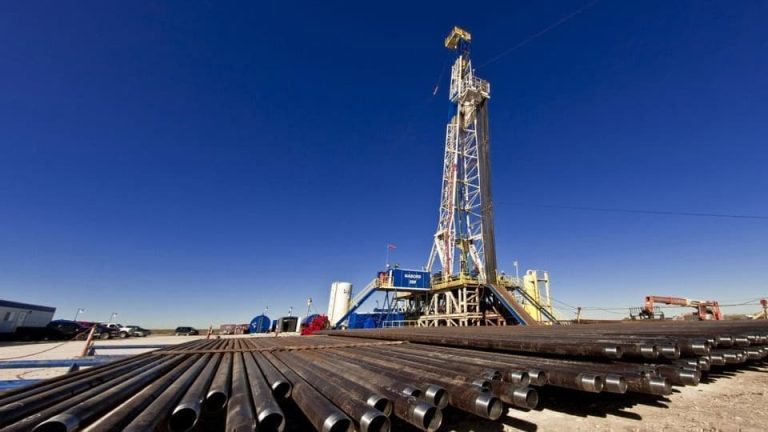
Uchimbaji visima kwenye kina kirefu cha bahari umefunua hazina nzuri sana kwa kugunduliwa kwa nyenzo za kuhifadhia mafuta zenye uwezo wa kustahimili kutu. Mafanikio haya ya kiteknolojia yanaahidi kuleta m APInduzi katika sekta ya mafuta na gesi kwa kuimarisha uimara na uendelevu wa shughuli za uchimbaji visima kwenye kina kirefu cha bahari. Hata hivyo, kama ilivyo kwa maendeleo yoyote ya kiteknolojia, huibua athari muhimu za kimazingira ambazo zinahitaji kuzingatiwa kwa makini.
Mvuto wa uchimbaji wa kuchimba visima kwenye kina kirefu cha bahari upo katika uwezo wake wa kufikia hifadhi za mafuta ambazo hazijatumiwa hapo awali zilizozikwa chini ya sakafu ya bahari. Mbinu za jadi za kuchimba visima zimekabiliwa na changamoto katika mazingira haya yaliyokithiri kutokana na hali ya ulikaji ya maji ya bahari na shinikizo la juu na halijoto inayopatikana kwenye kina kirefu. Nyenzo za kawaida za kuhifadhia mafuta mara nyingi hutatizika kudumisha uadilifu chini ya hali hizi, na hivyo kusababisha masuala ya matengenezo ya mara kwa mara na hatari za mazingira.
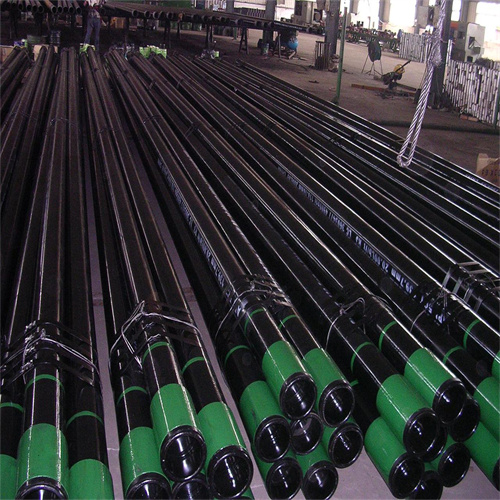
Kuanzishwa kwa nyenzo za kuhifadhia mafuta zinazostahimili kutu zenye nguvu zaidi kunawakilisha maendeleo muhimu katika kushughulikia changamoto hizi. Nyenzo hizi zimeundwa mahsusi kuhimili hali ngumu ya kuchimba visima vya kina kirefu, kutoa uimara na kuegemea zaidi. Kwa kupunguza hitaji la matengenezo na ukarabati wa mara kwa mara, wana uwezo wa kupunguza muda wa chini wa uendeshaji na kupunguza alama ya jumla ya mazingira ya shughuli za uchimbaji wa pwani.
Kwa mtazamo wa mazingira, kupitishwa kwa nyenzo hizo za juu kunaweza kuleta manufaa na wasiwasi. Kwa upande mmoja, kuongezeka kwa uimara na kutegemewa kwa nyenzo hizi kunaweza kusababisha uvujaji na uvujaji mdogo, na hivyo kupunguza hatari ya uchafuzi wa mazingira. Hii ni muhimu sana katika mifumo nyeti ya ikolojia ya baharini ambapo hata umwagikaji mdogo unaweza kuwa na athari kubwa na ya kudumu kwa viumbe hai na jamii za pwani. uhifadhi na ufanisi wa rasilimali. Kwa kuboresha maisha na utendaji wa vipengele vya kuweka mafuta, nyenzo kidogo inahitajika kwa muda, na kusababisha kupungua kwa uchimbaji wa rasilimali na uzalishaji wa taka. Hii inawiana na malengo mapana zaidi ya uendelevu yanayolenga kupunguza mwelekeo wa mazingira wa shughuli za viwandani.
Hata hivyo, kuenea kwa teknolojia ya uchimbaji wa kuchimba visima kwenye kina kirefu cha bahari, kwa kuwezeshwa na nyenzo hizi za hali ya juu, pia kunazua wasiwasi kuhusu athari zao za muda mrefu zinazoweza kutokea kwa mifumo ikolojia ya baharini. Uchimbaji wa mafuta na gesi kutoka kwenye hifadhi za kina kirefu cha bahari unahusisha kusumbua makazi dhaifu chini ya maji na mifumo ikolojia ambayo mara nyingi haieleweki vizuri. Matumizi ya vimiminiko vya kuchimba visima, uzalishaji wa takataka, na usumbufu wa mashapo ya sakafu ya bahari, vyote vinaweza kuchangia uharibifu wa makazi na kuvuruga kwa mfumo wa ikolojia.
Aidha, athari za ziada za uchimbaji wa maji kwenye kina kirefu cha bahari juu ya afya ya bahari ya kimataifa na mabadiliko ya hali ya hewa lazima yawe makini. kutathminiwa. Ingawa maendeleo katika teknolojia ya uchimbaji visima yanaweza kuongeza ufikiaji wa rasilimali mpya za nishati, pia yanaendeleza utegemezi wa jamii juu ya nishati ya kisukuku, uwezekano wa kuchelewesha mpito kwa njia safi na endelevu zaidi za nishati.
Kusawazisha faida na hatari za uchimbaji wa bahari kuu kunahitaji uchunguzi kamili na wa kina. mbinu ya kisayansi ya usimamizi na udhibiti wa mazingira. Mipango thabiti ya ufuatiliaji, viwango vikali vya utendaji kazi, na mifumo ya uwazi ya kuripoti ni muhimu ili kupunguza athari zinazoweza kujitokeza kwa mazingira na kuhakikisha uwajibikaji ndani ya tasnia.
Hatimaye, ugunduzi wa vifaa vya kuhifadhia mafuta yenye nguvu ya juu zaidi vinavyostahimili kutu inawakilisha hatua muhimu katika mabadiliko ya teknolojia ya kuchimba visima kwenye kina kirefu cha bahari. Huku zikitoa ahadi za maendeleo katika ufanisi wa kiutendaji na utunzaji wa mazingira, utumaji wao lazima uambatane na ulinzi mkali wa mazingira ili kulinda afya na uadilifu wa bahari zetu kwa vizazi vijavyo. Sekta inaposonga mbele, ni muhimu kuweka uwiano kati ya uchimbaji wa rasilimali na uhifadhi, kuhakikisha kwamba maendeleo ya kiteknolojia yanawiana na mazoea endelevu ya mazingira.
Deep-sea drilling operations have long been the frontier of technological innovation in the Oil and Gas industry. As demands for energy escalate and terrestrial reserves dwindle, the exploration of deep-sea reserves becomes increasingly crucial. However, the harsh conditions found thousands of feet below the ocean’s surface present formidable challenges, particularly concerning the durability and reliability of drilling equipment.
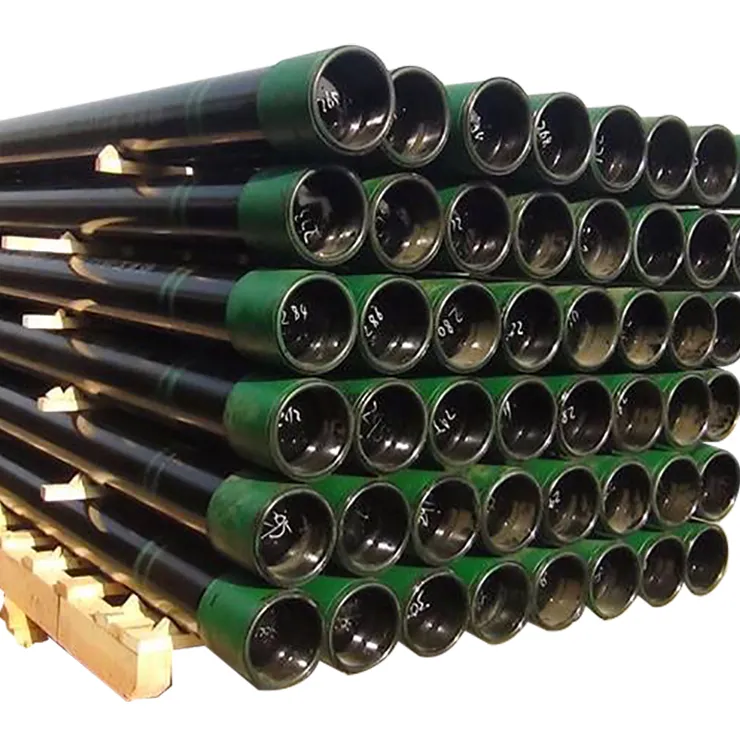
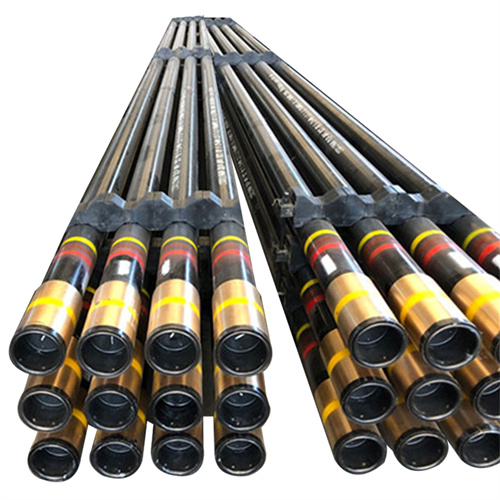
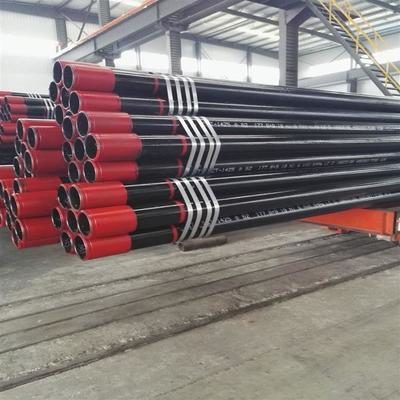
One of the most critical components in deep-sea drilling is the Oil Casing, which protects the wellbore and ensures structural integrity under extreme pressures and corrosive environments. Traditionally, Steel alloys have been the Material of choice due to their strength and durability. Yet, the relentless forces exerted by seawater and hydrocarbons can lead to corrosion and structural degradation over time, compromising safety and operational efficiency.
In recent years, a breakthrough has emerged in the form of ultra-strong, corrosion-resistant materials specifically designed for oil casing applications. These advanced materials promise to revolutionize deep-sea drilling by offering unprecedented durability and longevity in challenging marine environments. One such material gaining traction is a composite blend of carbon fiber and epoxy resin, meticulously engineered to withstand the corrosive effects of seawater while maintaining exceptional mechanical strength.
The development of these materials represents a convergence of scientific innovation and industrial necessity. Engineers and materials scientists have collaborated to enhance the performance characteristics of oil casing, pushing the boundaries of what was previously thought possible. Through rigorous testing and refinement, these composite materials have demonstrated superior resistance to corrosion, fatigue, and mechanical stress, making them ideally suited for prolonged deployment in deep-sea wells.
The advantages of ultra-strong, corrosion-resistant oil casing extend beyond operational durability. By minimizing the risk of structural failure and Maintenance downtime, these materials contribute to enhanced safety standards and operational efficiency. Furthermore, their lightWeight nature reduces logistical complexities associated with deep-sea installations, offering a practical solution to the challenges of offshore drilling.
From a technological standpoint, the integration of advanced materials into oil casing design represents a paradigm shift in offshore engineering. By harnessing the unique properties of carbon composites, Manufacturers can tailor casing solutions to meet specific operational requirements, ensuring compatibility with a range of drilling techniques and environmental conditions. This versatility underscores the adaptability of modern materials science in addressing complex industrial challenges.
As global energy demand contiNues to rise, the importance of sustainable and efficient resource extraction practices cannot be overstated. The deployment of ultra-strong, corrosion-resistant oil casing not only enhances the resilience of deep-sea drilling operations but also supports environmental stewardship by minimizing the ecological footprint associated with offshore exploration.
Looking ahead, ongoing research and development efforts are poised to further refine these advanced materials, unlocking new possibilities for the future of deep-sea drilling technology. Collaborations between academia, industry, and regulatory bodies will be crucial in navigating the complexities of material certification and adoption, ensuring that innovations translate seamlessly from laboratory prototypes to commercial applications.
In conclusion, the advent of ultra-strong, corrosion-resistant materials represents a transformative milestone in the evolution of oil casing technology. By mitigating risks, improving operational efficiency, and expanding the frontier of deep-sea exploration, these materials are poised to shape the future of offshore energy production. As industries embrace these innovations, they not only bolster their capabilities but also reaffirm their commitment to sustainable development and responsible resource management in an increasingly interconnected global landscape.
Environmental Implications of Deep-Sea Mining: Balancing Resource Extraction and Conservation
Deep-sea drilling has unveiled a magnificent treasure with the discovery of ultra-strong corrosion-resistant Oil casing materials. This technological breakthrough promises to revolutionize the oil and gas industry by enhancing the durability and sustainability of deep-sea drilling operations. However, as with any technological advancement, it raises significant environmental implications that demand careful consideration.
The allure of deep-sea drilling lies in its potential to access previously untapped oil reserves buried beneath the ocean floor. Traditional drilling methods have faced challenges in these extreme environments due to the corrosive nature of seawater and the high pressures and temperatures encountered at depth. Conventional oil casing materials often struggle to maintain integrity under these conditions, leading to frequent maintenance issues and environmental risks.
The introduction of ultra-strong corrosion-resistant oil casing materials represents a pivotal advancement in addressing these challenges. These materials are specifically designed to withstand the harsh conditions of deep-sea drilling, offering increased durability and reliability. By reducing the need for frequent maintenance and Repairs, they have the potential to minimize operational downtime and lower the overall environmental footprint of offshore drilling activities.
From an environmental perspective, the adoption of such advanced materials can bring both benefits and concerns. On one hand, the increased durability and reliability of these materials could lead to fewer leaks and spills, thereby reducing the risk of environmental contamination. This is particularly crucial in sensitive marine ecosystems where even small-scale spills can have profound and long-lasting impacts on biodiversity and coastal communities.
Moreover, the efficiency gains associated with using ultra-strong corrosion-resistant materials may contribute to overall energy conservation and resource efficiency. By improving the lifespan and performance of oil casing components, less material is required over time, leading to reduced resource extraction and waste generation. This aligns with broader sustainability goals aimed at minimizing the environmental footprint of industrial activities.
However, the widespread adoption of deep-sea drilling technologies, facilitated by these advanced materials, also raises concerns about their potential long-term impacts on marine ecosystems. The extraction of oil and gas from deep-sea reserves involves disturbing delicate underwater habitats and ecosystems that are often poorly understood. The use of drilling fluids, the generation of waste materials, and the disturbance of seafloor sediments can all contribute to habitat degradation and ecosystem disruption.
Furthermore, the cumulative impacts of deep-sea drilling on global ocean health and climate change must be carefully evaluated. While advancements in drilling technology may increase access to new energy resources, they also perpetuate society’s reliance on fossil fuels, potentially delaying the transition to cleaner and more sustainable energy alternatives.
Balancing the benefits and risks of deep-sea drilling requires a comprehensive and science-based approach to environmental management and regulation. Robust monitoring programs, stringent operational standards, and transparent reporting mechanisms are essential to mitigate potential environmental impacts and ensure accountability within the industry.
Ultimately, the discovery of ultra-strong corrosion-resistant oil casing materials represents a significant milestone in the evolution of deep-sea drilling technology. While offering promising advancements in operational efficiency and environmental stewardship, their deployment must be accompanied by rigorous environmental safeguards to safeguard the health and integrity of our oceans for future generations. As the industry moves forward, it is imperative to strike a delicate balance between resource extraction and conservation, ensuring that technological progress aligns with sustainable environmental practices.