Sustainability Practices in Oil Casing Manufacturing
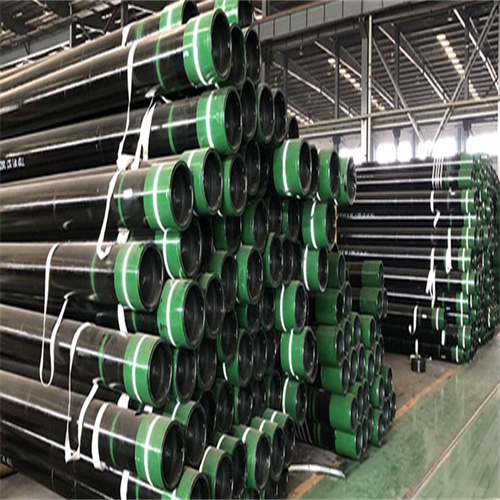
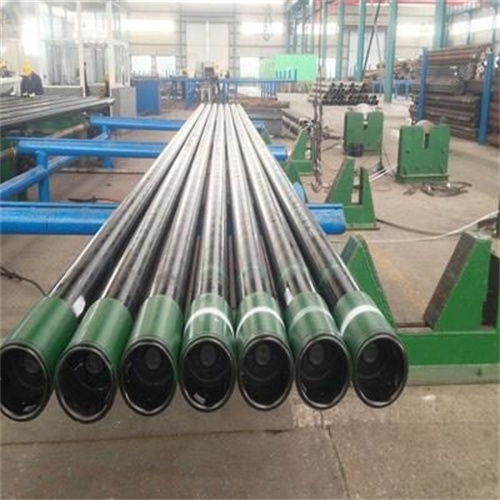
Oil casing plays a crucial role in the Oil and Gas industry, providing structural support and protection for wells during drilling and production operations. As the world shifts towards a more sustainable future, the demand for low-carbon oil and gas exploitation practices is on the rise. In this context, the manufacturing of oil casing is undergoing significant changes to align with sustainability goals and reduce environmental impact.
One of the key trends in oil casing manufacturing for low-carbon oil and gas exploitation is the use of eco-friendly Materials. Companies are increasingly opting for materials that have a lower carbon footprint and can be recycled or reused. This shift towards sustainable materials not only reduces the environmental impact of oil casing production but also contributes to the overall sustainability of the industry.
In addition to eco-friendly materials, the adoption of advanced manufacturing technologies is another trend sh APIng the future of oil casing production. Technologies such as 3D printing and automation are revolutionizing the way oil casing is manufactured, leading to increased efficiency and reduced waste. These advancements not only improve the quality of the final product but also help companies meet their sustainability targets.
Furthermore, the concept of circular economy is gaining traction in the oil and gas sector, including oil casing manufacturing. Companies are exploring ways to design products that can be easily disassembled, Repaired, and reused at the end of their lifecycle. By embracing the principles of circular economy, Manufacturers can minimize waste generation and promote a more sustainable approach to oil casing production.
Another important aspect of sustainable oil casing manufacturing is the reduction of energy consumption and greenhouse gas emissions. Companies are investing in energy-efficient processes and renewable energy sources to power their manufacturing operations. By reducing their carbon footprint, oil casing Manufacturers can contribute to the overall decarbonization of the oil and gas industry.
Looking ahead, the prospects of oil casing in low-carbon oil and gas exploitation are promising. With contiNued innovation and a focus on sustainability, the industry is poised to meet the growing demand for environmentally friendly practices. By embracing eco-friendly materials, advanced technologies, circular economy principles, and energy-efficient processes, oil casing manufacturers can play a vital role in shaping a more sustainable future for the oil and gas sector.
In conclusion, the trends and prospects of oil casing in low-carbon oil and gas exploitation are closely intertwined with the industry’s commitment to sustainability. By adopting innovative practices and embracing a holistic approach to manufacturing, companies can not only reduce their environmental impact but also contribute to a more sustainable energy future.
Impact of Low-Carbon Initiatives on Oil Casing Technology
Oil casing plays a crucial role in the oil and gas industry, providing structural support and protection for wells during drilling and production operations. With the increasing focus on low-carbon initiatives in the oil and gas sector, the demand for environmentally sustainable practices has led to significant developments in oil casing technology. These advancements not only aim to enhance operational efficiency but also reduce the environmental impact of oil and gas exploration.
One of the key trends in oil casing technology within the context of low-carbon oil and gas exploitation is the use of advanced materials. Traditional casing materials such as Carbon Steel are being replaced with high-strength, corrosion-resistant alloys that offer improved performance and longevity. These advanced materials not only increase the durability of the casing but also contribute to reducing the overall carbon footprint of oil and gas operations.
In addition to material advancements, the design and manufacturing processes of oil casing have also evolved to align with low-carbon objectives. Innovations in casing design focus on optimizing the casing structure to improve well integrity and minimize Leakage risks. By incorporating advanced modeling and simulation techniques, engineers can now design casing systems that are more resilient to environmental stresses and operational challenges.
Furthermore, the adoption of digital technologies has revolutionized the monitoring and Maintenance of oil casing systems. IoT sensors embedded in the casing can provide real-time data on casing integrity, temperature, and pressure, enabling proactive maintenance and early detection of potential issues. This proactive approach not only enhances operational safety but also reduces the need for frequent interventions, thereby lowering the environmental impact of oil and gas activities.
The integration of automation and robotics in casing installation and maintenance processes has also streamlined operations and improved efficiency. Automated casing running tools and robotic inspection devices can perform tasks with higher precision and speed, reducing human intervention and minimizing downtime. This not only enhances operational efficiency but also contributes to reducing the overall carbon emissions associated with oil and gas production.
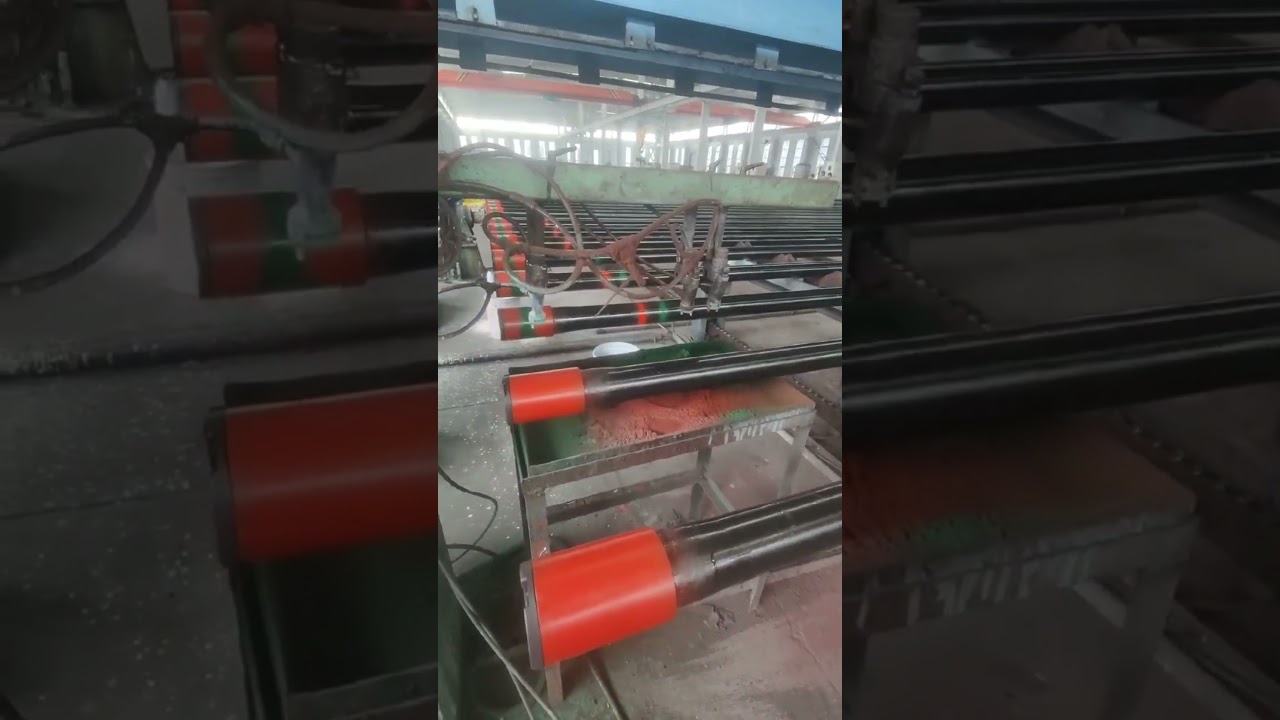
API Spec 5CTLooking ahead, the prospects of oil casing in low-carbon oil and gas exploitation are promising. Continued research and development efforts are focused on enhancing the sustainability and efficiency of casing systems through innovative materials, designs, and technologies. By embracing these trends and advancements, the oil and gas industry can achieve its low-carbon objectives while ensuring the reliability and safety of oil well operations.
In conclusion, the impact of low-carbon initiatives on oil casing technology is driving significant changes in the oil and gas industry. From advanced materials to digital innovations, the evolution of oil casing reflects a commitment to sustainability and environmental responsibility. By embracing these trends and prospects, the industry is poised to navigate the transition towards a more sustainable future for oil and gas exploration and production.
Future Innovations in Oil Casing for Low-Carbon Oil and Gas Exploitation
Oil casing plays a crucial role in the oil and gas industry, providing structural support and protection for wells during drilling and production operations. With the increasing focus on low-carbon oil and gas exploitation, the demand for innovative solutions in oil casing design and materials is on the rise. This shift towards sustainability is driven by environmental concerns and the need to reduce carbon emissions in the energy sector.
One of the key trends in oil casing for low-carbon oil and gas exploitation is the development of advanced materials that offer improved performance while minimizing environmental impact. Companies are investing in research and development to create casing materials that are more durable, corrosion-resistant, and lightWeight. These materials not only enhance the efficiency and longevity of wells but also contribute to reducing the overall carbon footprint of oil and gas operations.
In addition to material advancements, the integration of digital technologies is revolutionizing the design and monitoring of oil casing systems. Smart casing technologies equipped with sensors and data analytics capabilities enable real-time monitoring of well conditions, allowing for proactive maintenance and optimization of production processes. This digital transformation enhances operational efficiency, reduces downtime, and improves safety standards in oil and gas operations.
Furthermore, the concept of circular economy is gaining traction in the oil and gas industry, prompting companies to explore sustainable practices in casing manufacturing and disposal. Recycling and repurposing of casing materials not only reduce waste generation but also lower the environmental impact of oil and gas activities. By adopting circular economy principles, companies can achieve cost savings, resource efficiency, and environmental stewardship in their operations.
Another significant trend in oil casing for low-carbon exploitation is the emphasis on well integrity and leak prevention. Advanced casing designs with improved Sealing mechanisms and integrity testing procedures help mitigate the risk of leaks and environmental contamination. Ensuring the integrity of Well Casings is essential for sustainable oil and gas production, as it safeguards groundwater resources and prevents methane emissions.
Looking ahead, the prospects of oil casing in low-carbon oil and gas exploitation are promising. Continued innovation in materials, digital technologies, and sustainable practices will drive the evolution of casing systems towards greater efficiency, reliability, and environmental responsibility. By embracing these trends and advancements, the oil and gas industry can navigate the transition towards a more sustainable energy future while meeting the growing global demand for oil and gas products.