Key Factors Influencing Cost Stability of API 5ct N80 Casing and Oil Pipes
The cost stability of API 5CT N80, l80, and P110 seamless Carbon Steel casing and oil Pipes is influenced by several key factors that are crucial for understanding market dynamics and pricing trends in the Oil and Gas industry.
Firstly, the raw Material costs play a significant role. seamless carbon steel, the primary material used in manufacturing api 5ct casing and oil pipes, is sourced from steel mills worldwide. Fluctuations in global steel Prices, influenced by factors such as raw material availability, production levels, and international trade policies, directly impact the cost of manufacturing these critical components. For instance, changes in iron ore prices or shifts in global demand for steel can lead to fluctuations in raw material costs, thereby affecting the overall pricing of API 5CT N80, L80, and P110 seamless carbon steel products.
Moreover, technological advancements in steel manufacturing processes contribute to cost stability. innovations that enhance production efficiency, reduce energy consumption, or improve material yield rates can mitigate cost pressures associated with raw materials. Manufacturers investing in advanced manufacturing technologies may achieve economies of scale and operational efficiencies, which can translate into more stable pricing for API 5CT casing and oil pipes over time.
Furthermore, market demand and supply dynamics are critical factors influencing cost stability. The oil and gas industry’s cyclic nature and geopolitical factors can lead to fluctuations in drilling activities, subsequently impacting the demand for casing and oil pipes. During periods of high demand, such as when oil prices are robust and exploration activities increase, the demand for API 5CT N80, L80, and P110 seamless carbon steel products rises, potentially leading to stable or even higher pricing due to supply constraints. Conversely, during downturns in the industry, oversupply may occur, exerting downward pressure on prices.
Quality standards and certifications also play a crucial role in determining the cost stability of API 5CT casing and oil pipes. Compliance with stringent industry standards, such as tHose set by the American Petroleum Institute (API), ensures product reliability, safety, and performance in demanding oil and gas exploration environments. Manufacturers investing in quality assurance processes and obtaining necessary certifications demonstrate their commitment to delivering high-quality products, which can influence pricing stability by enhancing customer trust and satisfaction.
Additionally, regulatory factors and environmental considerations impact cost stability. Compliance with environmental regulations and adherence to safety standards incur additional costs for manufacturers. Changes in regulatory requirements, such as emissions standards or workplace safety regulations, may necessitate investments in equipment upgrades or operational adjustments, potentially affecting product pricing. Furthermore, geopolitical events, such as trade tariffs or sanctions, can disrupt supply chains and contribute to pricing volatility for API 5CT N80, L80, and P110 seamless carbon steel products.

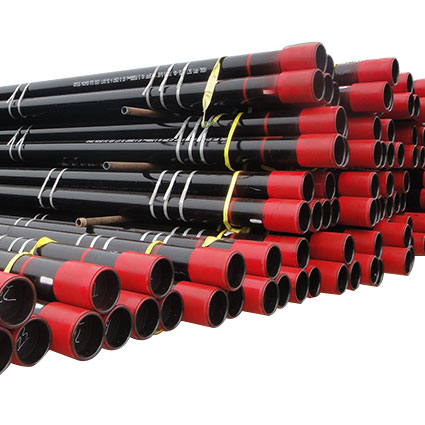
PETROLEUM Casing Pipe chinese Best FactoryIn conclusion, the cost stability of API 5CT N80, L80, and P110 seamless carbon steel casing and oil pipes hinges on a complex interplay of factors. From raw material costs and technological advancements in manufacturing to market demand dynamics and regulatory influences, these factors collectively shape pricing trends in the oil and gas industry. Manufacturers and stakeholders must navigate these dynamics strategically to maintain competitive pricing and meet the evolving needs of the global energy sector. By understanding and responding to these key factors, industry participants can better anticipate market shifts and optimize their operations to achieve long-term cost stability in API 5CT casing and oil pipe markets.
Comparative Analysis of Cost Trends for api 5ct l80 Seamless Carbon Steel Casing and Oil Pipes
In the realm of oil and gas exploration, the choice of materials for casing and oil pipes plays a pivotal role in ensuring operational efficiency, durability, and cost-effectiveness. Among the various options available, API 5CT N80, L80, and P110 seamless carbon steel casing and oil pipes stand out for their robustness and reliability in demanding environments. Understanding the cost dynamics of these materials is crucial for industry stakeholders seeking to optimize expenditure without compromising on quality.
https://youtube.com/watch?v=cfXZde_zGT8
API 5CT standards establish stringent requirements for the mechanical properties, chemical composition, and testing procedures of casing and Tubing used in the oil and gas industry. N80, L80, and P110 grades are differentiated primarily by their yield strength and chemical composition, tailored to specific operational conditions such as depth, pressure, and corrosive elements encountered in wellbores.
Comparing the cost stability of these grades involves examining several key factors. The price of raw materials, particularly carbon steel, fluctuates in response to market demand, geopolitical factors, and supply chain dynamics. This volatility influences the manufacturing costs of Seamless Pipes, directly impacting the final price of API 5CT N80, L80, and P110 grades.
Additionally, the manufacturing process itself contributes significantly to the cost structure. Seamless pipes are produced through hot rolling or cold drawing methods, each affecting the final product’s mechanical properties and cost efficiency differently. The choice of manufacturing technique depends on the required specifications and operational parameters, influencing the overall cost competitiveness of each grade.
Furthermore, operational considerations such as installation and Maintenance expenses contribute to the total cost of ownership over the lifecycle of casing and oil pipes. While higher grades like P110 offer enhanced performance characteristics suitable for deeper and more challenging wells, their initial procurement costs may be higher compared to N80 or L80 grades. However, lower-grade materials may necessitate more frequent replacements or Repairs, potentially offsetting the initial cost savings.
The geographical location and regulatory environment also play a crucial role in cost stability. Local market conditions, transportation costs, and regulatory compliance requirements can impact the final price of API 5CT N80, L80, and P110 seamless carbon steel casing and oil pipes. Suppliers and manufacturers must navigate these factors to offer competitive pricing while maintaining adherence to industry standards and customer specifications.
From an economic perspective, the stability of costs associated with API 5CT N80, L80, and P110 grades hinges on effective supply chain management and strategic sourcing of raw materials. Industry stakeholders monitor market trends closely to mitigate risks associated with price fluctuations and ensure consistent availability of high-quality products for oil and gas exploration and production activities.
In conclusion, while API 5CT N80, L80, and P110 seamless carbon steel casing and oil pipes offer distinct advantages in terms of performance and durability, their cost dynamics reflect a complex interplay of raw material prices, manufacturing techniques, operational requirements, and regulatory considerations. By conducting a comprehensive comparative analysis of cost trends, industry professionals can make informed decisions that optimize value without compromising operational integrity. As the oil and gas sector contiNues to evolve, the quest for cost stability remains integral to sustaining profitability and efficiency in exploration and production endeavors worldwide.
Future Outlook: Predicting Cost Stability of api 5ct p110 Seamless Carbon Steel Casing and Oil Pipes
In analyzing the future outlook for API 5CT P110 seamless carbon steel casing and oil pipes, it is essential to consider several factors that contribute to cost stability in the oil and gas industry. These factors encompass market trends, global demand-supply dynamics, technological advancements, and regulatory influences.
API 5CT P110 seamless carbon steel casing and oil pipes are crucial components in the exploration and production of oil and gas. They provide structural integrity to wells, ensuring efficient extraction and transportation of hydrocarbons. The cost stability of these materials plays a pivotal role in the economics of drilling operations worldwide.
One of the primary drivers of cost stability is the fluctuation in global oil prices. Oil prices are influenced by geopolitical factors, macroeconomic conditions, and supply-demand dynamics. Higher oil prices typically stimulate investment in exploration and production activities, thereby increasing demand for casing and oil pipes. Conversely, during periods of low oil prices, demand may stagnate, leading to pricing pressures across the supply chain.
Technological advancements also influence the cost structure of API 5CT P110 seamless carbon steel casing and oil pipes. Innovations in manufacturing processes, such as improved alloy compositions and enhanced production techniques, can lower production costs. Moreover, advancements in drilling technologies, such as horizontal drilling and hydraulic fracturing, increase the efficiency of well operations, thereby impacting the demand for casing and oil pipes.
Global supply-demand dynamics play a critical role in determining the cost stability of API 5CT P110 seamless carbon steel casing and oil pipes. Emerging markets, particularly in regions with untapped reserves or expanding energy infrastructure, can drive significant demand growth. Conversely, mature markets may experience fluctuations in demand due to varying levels of exploration and production activities.
Regulatory developments also influence the cost outlook for API 5CT P110 seamless carbon steel casing and oil pipes. Environmental regulations, safety standards, and trade policies can impact production costs and supply chain dynamics. Compliance with stringent regulations may necessitate investments in advanced manufacturing technologies or materials, potentially affecting pricing strategies.
Looking forward, forecasting the cost stability of API 5CT P110 seamless carbon steel casing and oil pipes requires a holistic approach that considers these interconnected factors. Market participants must monitor geopolitical developments, technological innovations, and regulatory changes to anticipate shifts in supply-demand dynamics and pricing trends.
In conclusion, the cost stability of API 5CT P110 seamless carbon steel casing and oil pipes hinges on a complex interplay of global market forces, technological advancements, and regulatory frameworks. By understanding these dynamics and their potential impacts, stakeholders can make informed decisions to navigate the evolving landscape of the oil and gas industry effectively.