Advances in Biodegradable Materials for Casing
In recent years, the growing concern over environmental sustainability has prompted significant advancements in the development of biodegradable materials for casing applications. As industries increasingly seek alternatives to traditional plastics, which contribute to pollution and waste, researchers and Manufacturers are exploring innovative materials that can decompose naturally without leaving harmful residues. This shift is not only driven by regulatory pressures but also by consumer demand for eco-friendly products, leading to a surge in research and development efforts aimed at creating effective biodegradable casings.
One of the most promising areas of advancement lies in the use of biopolymers derived from renewable resources. These materials, such as polylactic acid (PLA) and polyhydroxyalkanoates (PHA), are produced from natural sources like corn starch and sugarcane. Their inherent biodegradability makes them ideal candidates for casing applications, as they can break down into harmless byproducts when exposed to environmental conditions. Furthermore, these biopolymers can be engineered to possess mechanical properties similar to tHose of conventional plastics, ensuring that they meet the performance requirements of various applications while minimizing their environmental impact.
In addition to biopolymers, the incorporation of natural fibers into casing materials has gained traction. Fibers from sources such as hemp, jute, and bamboo not only enhance the mechanical strength of the casings but also contribute to their biodegradability. By combining these natural fibers with biopolymers, manufacturers can create composite materials that offer improved durability and functionality while remaining environmentally friendly. This approach not only reduces reliance on synthetic materials but also promotes the use of agricultural byproducts, thereby supporting sustainable practices in the agricultural sector.
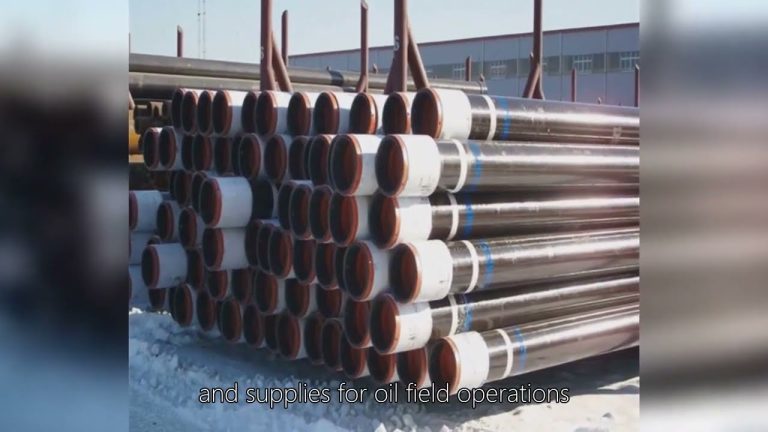
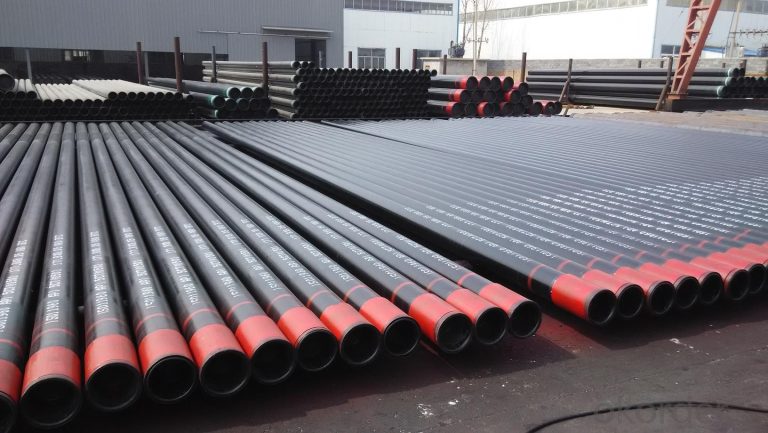
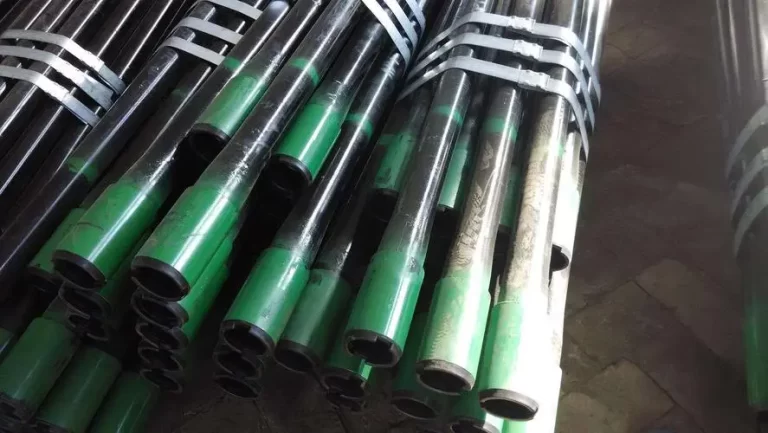
API 5ct N80-1 CASING Best chinese Companies
Moreover, advancements in processing technologies have played a crucial role in the development of biodegradable casings. Techniques such as extrusion and injection molding have been adapted to accommodate biopolymer materials, allowing for the production of casings that are both efficient and cost-effective. These innovations enable manufacturers to scale up production while maintaining the quality and performance of the final products. As a result, biodegradable casings are becoming increasingly accessible to a wider range of industries, from food packaging to medical applications.
The food industry, in particular, has been a significant driver of the demand for biodegradable casings. With the rise of consumer awareness regarding plastic waste, food manufacturers are actively seeking sustainable packaging solutions that align with their corporate social responsibility goals. Biodegradable casings not only offer a viable alternative to traditional plastic packaging but also enhance the overall appeal of products to environmentally conscious consumers. This trend is further supported by regulatory initiatives aimed at reducing single-use plastics, which have prompted companies to invest in research and development of biodegradable options.

As the market for biodegradable materials contiNues to expand, ongoing research is focused on improving the performance and cost-effectiveness of these materials. Innovations in material science, such as the development of new additives and blends, are being explored to enhance the properties of biodegradable casings, making them more competitive with conventional materials. Additionally, Life cycle assessments are being conducted to evaluate the environmental impact of these materials throughout their entire life span, from production to disposal.
In conclusion, the advancements in biodegradable materials for casing applications represent a significant step towards a more sustainable future. By leveraging renewable resources, incorporating natural fibers, and utilizing innovative processing technologies, the industry is poised to reduce its environmental footprint while meeting the growing demand for eco-friendly products. As research continues to evolve, the potential for biodegradable casings to transform various sectors remains promising, paving the way for a greener and more sustainable world.