Oil Casing Applications in drilling operations
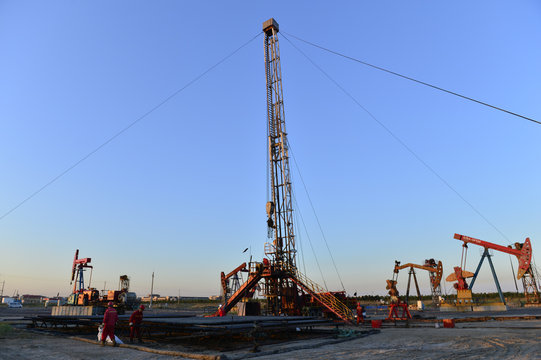
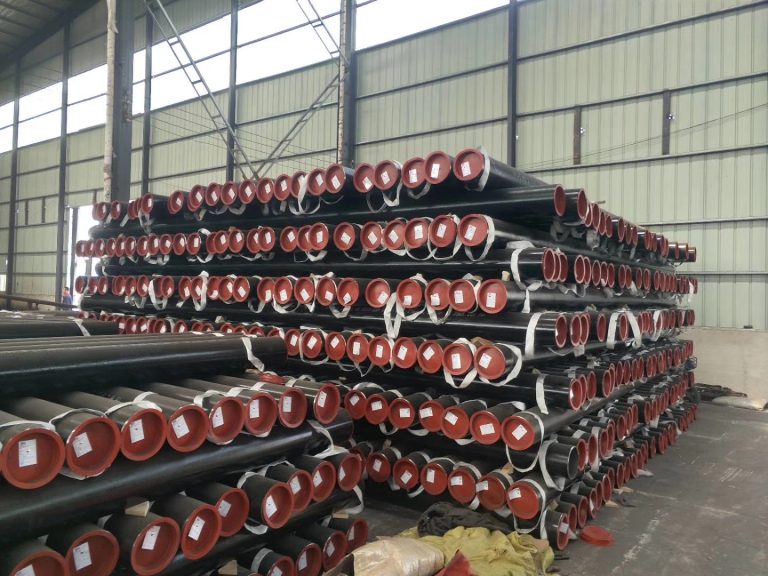
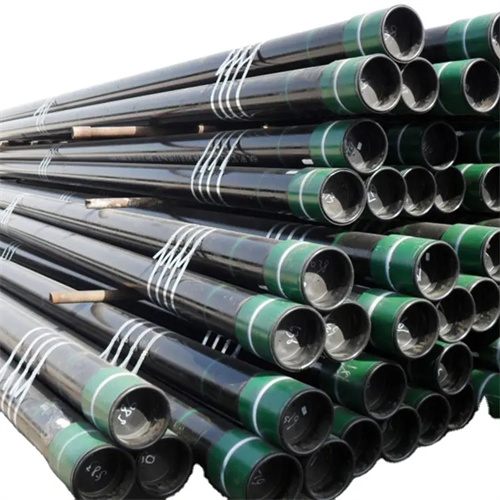
Oil casing plays a crucial role in drilling operations, serving multiple functions that enhance the efficiency and safety of the extraction process. At its core, oil casing refers to the series of Steel Pipes that are inserted into a drilled well to provide structural integrity and prevent the collapse of the wellbore. This essential component not only supports the walls of the well but also isolates different geological formations, thereby preventing the migration of fluids between them. The applications of oil casing in drilling operations extend beyond mere structural support; they are integral to the overall success of Oil and Gas extraction.
One of the primary applications of oil casing is to protect the well from external pressures and environmental factors. As drilling progresses, various geological formations are encountered, each with its own unique characteristics. The casing acts as a barrier, safeguarding the well from the influx of water, gas, or other fluids that could compromise the integrity of the operation. This protective function is particularly vital in areas where high-pressure formations are present, as the casing helps to manage these pressures and prevent blowouts, which can lead to catastrophic failures.
case for essential oilsIn addition to providing structural support and protection, oil casing also facilitates the efficient flow of hydrocarbons to the surface. The design of the casing, including its Diameter and the type of cement used to secure it in place, is carefully considered to optimize the flow of oil and gas. By ensuring that the casing is properly installed and Sealed, operators can minimize the risk of leaks and maximize production rates. This aspect of oil casing is particularly important in enhancing the overall economic viability of drilling operations, as efficient extraction directly correlates with profitability.
Moreover, oil casing plays a significant role in the management of wellbore stability. During drilling, the wellbore is subjected to various stresses that can lead to instability, resulting in costly delays and potential hazards. The use of casing helps to mitigate these risks by providing a stable environment for the drilling process. By maintaining wellbore integrity, operators can ensure that drilling contiNues Smoothly, reducing the likelihood of complications that could arise from unstable formations.
Another important application of oil casing is in the context of well abandonment and environmental protection. When a well reaches the end of its productive life, proper abandonment procedures are essential to prevent environmental contamination. The casing serves as a critical component in this process, as it can be used to seal off the wellbore and prevent the escape of hydrocarbons or other contaminants into the surrounding environment. This application underscores the importance of responsible drilling practices and the role that oil casing plays in safeguarding natural resources.
 In conclusion, the mixed utilities of oil casing in drilling operations are evident in its multifaceted applications. From providing structural support and protecting against external pressures to facilitating efficient hydrocarbon flow and ensuring wellbore stability, oil casing is an indispensable element of the drilling process. Furthermore, its role in well abandonment highlights the importance of environmental stewardship in the oil and gas industry. As drilling technologies continue to evolve, the significance of oil casing will remain paramount, ensuring that operations are conducted safely, efficiently, and responsibly.