Innovative Techniques in Groundbreaking Surveys for Oil Casing Integrity Assessment
In the ever-evolving field of Oil and Gas exploration, the integrity of oil casing is paramount to ensuring safe and efficient extraction processes. Innovative techniques in groundbreaking surveys have emerged as essential tools for assessing the condition of oil casing, thereby enhancing operational safety and minimizing environmental risks. These advanced methodologies not only provide critical insights into the structural integrity of casing but also facilitate proactive Maintenance strategies that can prevent costly failures and environmental incidents.
One of the most significant advancements in this area is the use of Non-destructive testing (NDT) methods, which allow for the evaluation of casing integrity without causing any damage to the Material itself. Techniques such as ultrasonic testing, magnetic particle inspection, and radiographic testing have gained prominence due to their ability to detect flaws, corrosion, and other anomalies within the casing. Ultrasonic testing, for instance, employs high-frequency sound waves to identify variations in thickness and material properties, providing a detailed assessment of the casing’s condition. This method is particularly valuable in identifying areas of potential weakness that may not be visible to the naked eye.
In addition to traditional NDT methods, the integration of advanced technologies such as robotics and drones has revolutionized the way surveys are conducted. These technologies enable operators to access hard-to-reach areas and conduct inspections in environments that may pose safety risks to human workers. For example, drones equipped with high-resolution cameras and thermal imaging sensors can perform aerial surveys of oil rigs and Pipelines, capturing detailed images that can be analyzed for signs of wear or damage. This not only enhances the efficiency of inspections but also significantly reduces the time and costs associated with manual assessments.
Moreover, the application of artificial intelligence (AI) and machine learning algorithms in data analysis has further transformed the landscape of oil casing integrity assessments. By processing vast amounts of data collected from various survey techniques, AI systems can identify patterns and predict potential failures with remarkable accuracy. This predictive maintenance approach allows operators to address issues before they escalate into serious problems, thereby extending the lifespan of the casing and reducing the likelihood of costly downtime.
Another innovative technique gaining traction is the use of acoustic emission monitoring, which involves the continuous observation of sound waves generated by the movement of fluids within the casing. This method provides real-time data on the structural integrity of the casing, allowing for immediate responses to any detected anomalies. By implementing such proactive monitoring systems, operators can ensure that any signs of distress are addressed promptly, thereby safeguarding both the infrastructure and the surrounding environment.
Furthermore, the incorporation of advanced materials and coatings in the design of oil casing has also contributed to improved integrity and longevity. Research into corrosion-resistant alloys and protective coatings has led to the development of casings that can withstand harsh environmental conditions, thereby reducing the frequency of inspections and maintenance interventions. This not only enhances operational efficiency but also aligns with the industry’s growing emphasis on sustainability and environmental stewardship.
In conclusion, the innovative techniques employed in groundbreaking surveys for oil casing integrity assessment represent a significant leap forward in the oil and gas industry. By leveraging non-destructive testing methods, advanced technologies, artificial intelligence, and improved materials, operators can ensure the safety and reliability of their operations. As the industry contiNues to evolve, these advancements will play a crucial role in addressing the challenges associated with oil extraction, ultimately leading to more sustainable and responsible practices. The ongoing commitment to innovation in this field will undoubtedly pave the way for a safer and more efficient future in oil and gas exploration.
Advanced Applications of Oil Casing Data in Enhancing Drilling Efficiency and Safety
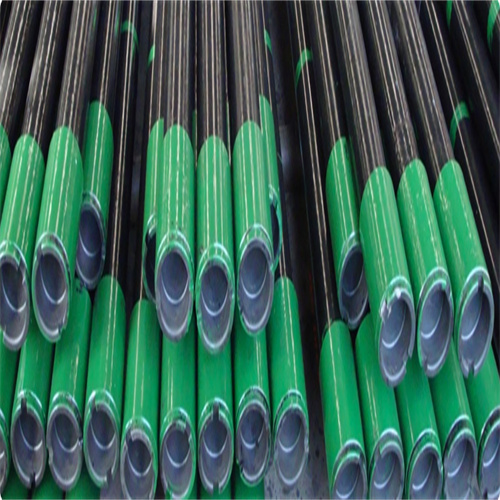
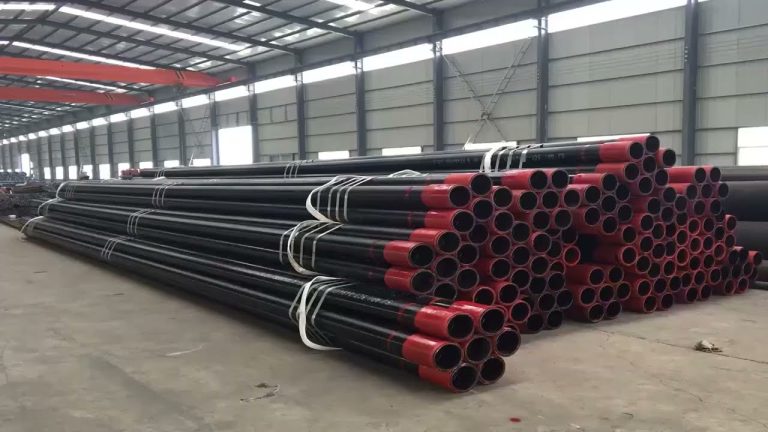
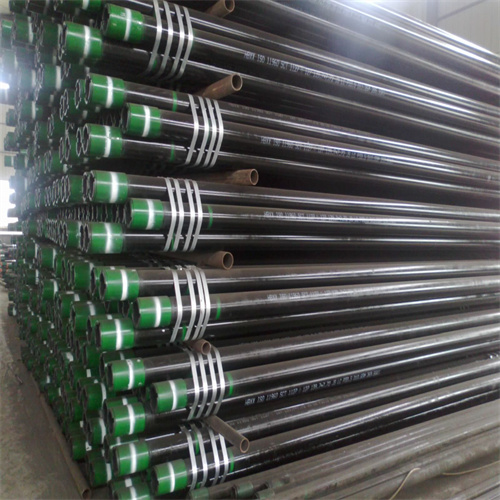
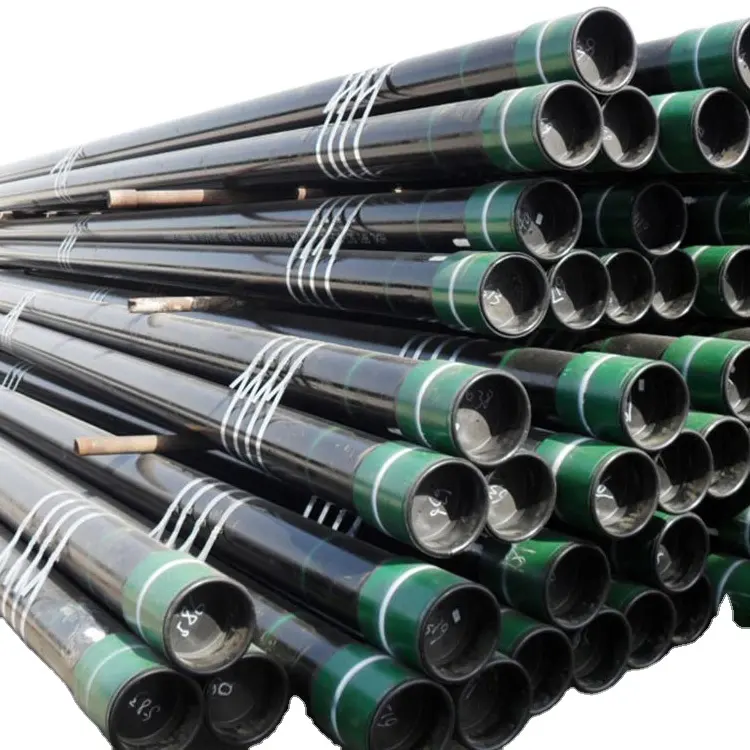
In the ever-evolving landscape of the oil and gas industry, the utilization of advanced technologies and methodologies has become paramount in enhancing drilling efficiency and safety. One of the most significant advancements in this domain is the application of oil casing data, which plays a crucial role in optimizing drilling operations. Oil casing, the Steel Pipe that is inserted into a drilled well to provide structural integrity, serves not only as a protective barrier but also as a vital source of data that can be harnessed to improve various aspects of drilling.
Casing Pipe china Best FactoryThe integration of advanced data analytics into the management of oil casing has opened new avenues for enhancing drilling efficiency. By employing sophisticated algorithms and machine learning techniques, operators can analyze vast amounts of data collected from Oil casing installations. This data encompasses information regarding the physical properties of the casing, the geological formations encountered during drilling, and the operational parameters employed throughout the drilling process. By synthesizing this information, Companies can identify patterns and correlations that were previously undetectable, leading to more informed decision-making.
Moreover, the application of real-time monitoring systems has revolutionized the way oil casing data is utilized. These systems enable operators to continuously track the performance of the casing during drilling operations. By monitoring parameters such as pressure, temperature, and vibration, operators can detect anomalies that may indicate potential issues, such as casing deformation or failure. This proactive approach allows for timely interventions, thereby minimizing the risk of catastrophic failures that could lead to costly downtime and safety hazards.
In addition to enhancing efficiency, the application of oil casing data significantly contributes to improving safety standards within the drilling industry. The historical data collected from previous drilling operations can be analyzed to develop predictive models that assess the likelihood of casing failure under specific conditions. By understanding the factors that contribute to casing integrity, operators can implement more effective risk management strategies. For instance, if data indicates that certain geological formations are prone to causing casing collapse, operators can adjust their drilling techniques or select alternative casing materials to mitigate these risks.
Furthermore, the use of advanced simulation tools allows for the modeling of various drilling scenarios, enabling operators to evaluate the potential impact of different variables on casing performance. This capability not only aids in the design of more robust casing systems but also facilitates the development of tailored drilling plans that account for the unique characteristics of each well. By optimizing the drilling process in this manner, operators can achieve greater efficiency while simultaneously enhancing safety.
The collaboration between data scientists and drilling engineers is also instrumental in maximizing the benefits derived from oil casing data. By fostering interdisciplinary partnerships, companies can leverage the expertise of both fields to develop innovative solutions that address the challenges faced in drilling operations. This collaborative approach encourages the sharing of insights and best practices, ultimately leading to the continuous improvement of drilling techniques and safety protocols.
In conclusion, the advanced applications of oil casing data represent a transformative shift in the oil and gas industry, with profound implications for drilling efficiency and safety. By harnessing the power of data analytics, real-time monitoring, predictive modeling, and interdisciplinary collaboration, operators can not only enhance their operational performance but also ensure the safety of their personnel and the environment. As the industry continues to embrace these advancements, the future of drilling operations looks increasingly promising, characterized by greater efficiency, reduced risks, and a commitment to sustainable practices.