Strength Characteristics of Various Oil Casing Materials: A Comparative Analysis
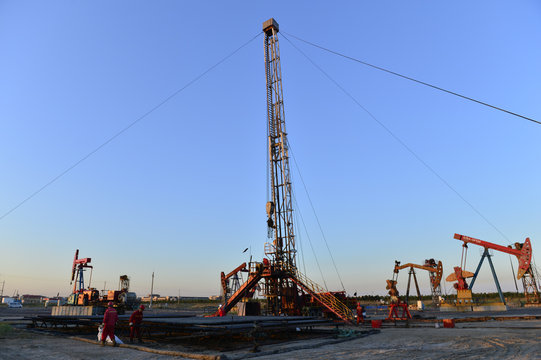
In the exploration and extraction of oil, the selection of casing materials plays a critical role in ensuring the integrity and efficiency of the drilling process. Different materials possess varying strengths and characteristics that directly influence their performance under the rigorous conditions of oil exploration. This article aims to provide an impartial comparative evaluation of common oil casing materials, focusing on their strength characteristics.
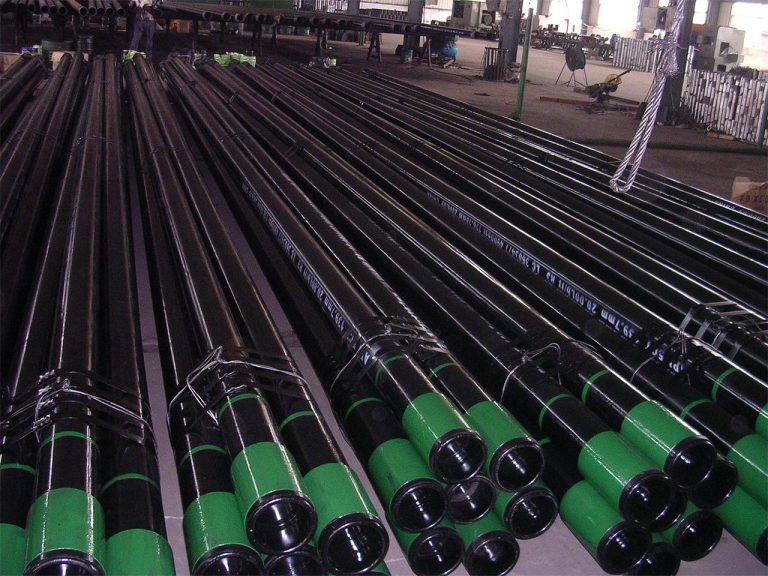
Steel is the predominant material used in oil casing due to its robustness and adaptability to various drilling environments. Among the different grades of steel, API 5ct is a widely recognized standard, encompassing materials such as J55, K55, N80, and P110. Each grade offers distinct properties tailored to specific operational requirements. For instance, J55 and K55 are known for their moderate strength and suitability for shallow to medium-depth wells, whereas N80 and P110 exhibit higher tensile strength and toughness, making them suitable for deeper and more demanding drilling conditions.
In recent years, advancements in metallurgical technology have led to the development of corrosion-resistant alloys (CRAs) such as duplex Stainless Steels and nickel-based alloys. These materials are particularly valued for their enhanced resistance to corrosive environments encountered in offshore drilling operations. Duplex stainless steels, characterized by a mixed microstructure of austenite and ferrite phases, offer superior strength and Corrosion resistance compared to traditional Carbon steels. Nickel-based alloys, on the other hand, provide exceptional resistance to both corrosion and high temperatures, making them ideal for extreme drilling environments.
Fiber-reinforced composite materials represent a relatively newer entrant into the oil casing market. These composites typically consist of a polymer matrix reinforced with fibers such as carbon or glass. While offering significant Weight savings and corrosion resistance, their mechanical strength and thermal stability are still being optimized for broader adoption in the industry. Composite casings are primarily utilized in non-load-bearing applications and are gradually gaining acceptance in certain niche drilling scenarios where their unique properties provide operational advantages.
When evaluating the strength characteristics of oil casing materials, it is essential to consider not only their mechanical properties but also their performance in specific downhole conditions. Factors such as yield strength, ultimate tensile strength, hardness, and resistance to corrosion and fatigue play pivotal roles in determining the suitability of a casing material for a given application. The ability of a casing material to withstand the combined stresses of pressure differentials, corrosive fluids, and mechanical loading over an extended operational lifespan is crucial for ensuring the safety and efficiency of oil extraction operations.
In conclusion, the choice of oil casing material involves a careful balance of strength, durability, and environmental resistance tailored to the unique challenges posed by each drilling operation. While traditional steels like API 5CT grades remain the cornerstone of casing materials, the advent of corrosion-resistant alloys and composite materials represents a promising aveNue for innovation in the industry. As drilling technologies evolve and operational demands grow, continued research and development efforts will further refine the performance characteristics of these materials, ensuring their reliability and sustainability in the dynamic field of oil exploration and production.
Corrosion Resistance and Longevity of Oil Casing Alloys: An Impartial Review
In the realm of oil extraction, the choice of casing materials plays a pivotal role in determining the operational efficiency and longevity of wells. Among the array of materials available, corrosion resistance stands as a critical benchmark, directly influencing the lifespan and Maintenance costs of oil casing alloys. This article provides an impartial evaluation of common oil casing materials with a focus on their corrosion resistance and longevity.
Stainless steel, renowned for its durability and resistance to corrosion, emerges as a favored choice in oil extraction. Its inherent ability to withstand harsh environmental conditions, including exposure to corrosive fluids and Gases, makes it an ideal candidate for prolonged use in Oil Wells. Chromium, the key alloying element in stainless steel, forms a protective oxide layer on the surface, shielding the material from corrosive attacks. This characteristic not only enhances longevity but also reduces the frequency of maintenance interventions, thereby optimizing operational efficiency.
In contrast, carbon steel, while robust in structural strength, faces challenges with corrosion resistance in aggressive environments. Without adequate protective coatings or corrosion inhibitors, carbon steel casings are susceptible to degradation over time. The formation of rust and scale can compromise structural integrity, necessitating frequent inspections and maintenance to mitigate potential failures. Although cost-effective initially, the long-term expenses associated with corrosion management often outweigh the initial savings, making carbon steel less economical in the context of extended service life.
petroleum Casing Pipe Maker
Alloy steels, incorporating elements such as chromium, nickel, and molybdenum, strike a balance between strength and corrosion resistance. These alloys are engineered to withstand specific corrosive environments encountered in oil extraction, offering enhanced durability compared to carbon steel. The precise composition of alloy steels can be tailored to meet the requirements of different well conditions, thereby extending operational lifespan and minimizing downtime due to maintenance.
Furthermore, corrosion-resistant alloys (CRAs) such as duplex stainless steels and nickel-based alloys represent cutting-edge solutions in mitigating corrosion challenges. Duplex stainless steels combine the benefits of austenitic and ferritic stainless steels, providing superior resistance to chloride-induced stress corrosion cracking and pitting. Similarly, nickel-based alloys exhibit exceptional performance in highly corrosive environments, making them indispensable for offshore drilling operations where seawater exposure is prevalent.
In evaluating these materials, it is essential to consider environmental factors and operational conditions specific to each well. Factors such as pH levels, temperature variations, and the presence of corrosive gases or fluids influence the selection of an appropriate casing material. A comprehensive risk assessment, coupled with predictive modeling techniques, aids in identifying potential corrosion mechanisms and implementing proactive measures to safeguard well integrity.

In conclusion, the choice of oil casing material profoundly impacts the longevity and performance of oil wells. Stainless steel and corrosion-resistant alloys offer superior durability and reliability, minimizing operational disruptions and maintenance costs over the lifecycle of the well. While carbon steel remains a viable option for certain applications, its susceptibility to corrosion necessitates diligent maintenance practices to ensure prolonged service life. By leveraging advancements in material science and corrosion engineering, oil operators can optimize resource extraction efficiency while ensuring sustainable well performance in diverse operating environments.
Cost-effectiveness and Sustainability of Different Oil Casing Materials: A Comprehensive Evaluation
In the dynamic realm of oil exploration and extraction, the choice of casing materials plays a crucial role in determining both operational efficiency and long-term sustainability. This article provides a comprehensive evaluation of common oil casing materials, focusing particularly on their cost-effectiveness and sustainability profiles.
Steel, recognized for its robustness and adaptability, remains the predominant choice in the oil industry. Its High strength-to-weight ratio ensures structural integrity under extreme pressures and temperatures encountered in drilling operations. While initial procurement costs are relatively high, steel casings offer significant durability and reliability, reducing the frequency of replacements and associated downtime. This durability translates into long-term cost savings, making steel a preferred choice for high-stress environments.
In recent years, however, alternative materials like composite and non-metallic casings have gained attention for their unique advantages. Composite materials, such as fiberglass-reinforced plastic (FRP), offer a compelling proposition by combining corrosion resistance with lighter weight, potentially lowering transportation and installation costs. Despite their higher initial costs compared to steel, composite casings boast longer lifespans in corrosive environments, reducing maintenance and replacement expenditures over time.
Non-metallic casings, including thermoplastics and thermoset polymers, introduce further diversity into material selection. These materials excel in environments prone to chemical corrosion, where traditional metals may degrade prematurely. Their lightweight nature facilitates easier handling during installation, potentially decreasing labor costs. However, concerns about mechanical strength and Temperature resistance in extreme conditions often limit their widespread adoption to specific operational contexts where chemical resistance is paramount.
From a sustainability standpoint, the evaluation extends beyond economic considerations to encompass environmental impacts throughout a casing’s lifecycle. Steel, while energy-intensive to produce, is readily recyclable, offering a closed-loop solution that reduces raw material consumption and waste. Advances in recycling technology further enhance the feasibility of steel as a sustainable choice in the long run.
Composite materials present a mixed environmental profile. While they reduce the carbon footprint associated with corrosion protection and extend casing lifespans, their disposal at end-of-life stages poses challenges due to limited recycling capabilities and potential environmental impacts from composite material breakdown.
Non-metallic casings, particularly tHose derived from recyclable polymers, present promising opportunities in reducing environmental footprints through lightweight designs and efficient lifecycle management. However, challenges in recycling and durability in harsh environments necessitate ongoing research and development to improve sustainability credentials.
In conclusion, the choice of oil casing materials involves a delicate balance between cost-effectiveness, operational performance, and sustainability considerations. Steel remains the benchmark for reliability and durability in demanding drilling environments, albeit with significant upfront costs offset by long-term savings and recyclability. Composite materials offer specialized solutions for corrosion-prone environments, leveraging lightweight designs and extended lifespans but require careful consideration of end-of-life disposal challenges. Non-metallic alternatives provide niche applications where chemical resistance and environmental impact reduction are paramount, though ongoing advancements are crucial to enhance durability and recyclability.
Ultimately, a holistic evaluation of oil casing materials must align with specific operational requirements, economic constraints, and environmental stewardship goals. By prioritizing comprehensive assessments that weigh technical performance against lifecycle impacts, the industry can navigate towards sustainable practices while maintaining operational excellence in oil extraction activities.