Emerging Trends in the Oil Casing Market Projection
The oil casing market is a crucial sector within the Oil and Gas industry, playing a significant role in the extraction and production of oil. As technology advances and global energy demands contiNue to rise, it is essential to analyze the emerging trends sh APIng the market projection of new oil casing.
One of the key trends influencing the market projection of new oil casing is the increasing focus on sustainability and environmental responsibility. With growing concerns about climate change and the need to reduce carbon emissions, oil Companies are under pressure to adopt more eco-friendly practices. This shift towards sustainability is driving the demand for innovative Oil casing Materials that are durable, cost-effective, and environmentally friendly.
Another important trend in the oil casing market projection is the rise of digitalization and automation. Advancements in technology, such as the Internet of Things (IoT) and artificial intelligence, are revolutionizing the way oil casing operations are conducted. Automated systems and smart technologies are improving efficiency, reducing costs, and enhancing safety in oil drilling processes. This trend is expected to continue shaping the market projection of new oil casing in the coming years.
Furthermore, the exploration and production of unconventional oil and gas reserves are driving the demand for specialized oil casing solutions. As traditional oil reserves become depleted, companies are turning to unconventional sources such as shale oil and deepwater reserves. These unconventional reservoirs require advanced drilling techniques and specialized oil casing designs to ensure efficient extraction. The market projection of new oil casing is thus influenced by the growing demand for customized solutions tailored to the unique challenges of unconventional oil and gas exploration.
Moreover, geopolitical factors and global economic conditions play a significant role in shaping the market projection of new oil casing. Fluctuations in oil Prices, trade policies, and geopolitical tensions can impact investment decisions in the oil and gas sector. Companies must navigate these uncertainties and adapt their strategies to remain competitive in the market. Understanding the complex interplay of geopolitical and economic factors is essential for accurate market projection and strategic planning in the oil casing industry.
In conclusion, the market projection of new oil casing is influenced by a combination of technological advancements, sustainability initiatives, unconventional oil exploration, and geopolitical factors. Companies operating in the oil and gas sector must stay abreast of these emerging trends to make informed decisions and capitalize on new opportunities. By analyzing these key factors, industry stakeholders can develop robust strategies to navigate the evolving landscape of the oil casing market and drive sustainable growth in the future.
Impact of Technological Advancements on the Future of Oil Casing Industry
The oil casing industry is undergoing a significant transformation driven by technological advancements that are reshaping the market landscape. As the demand for oil and gas continues to rise, the need for more efficient and durable oil casing solutions becomes paramount. In this article, we will delve into the impact of technological advancements on the future of the oil casing industry, focusing on market projections and key trends shaping the sector.
One of the key technological advancements revolutionizing the oil casing industry is the development of advanced materials and manufacturing processes. Companies are investing heavily in research and development to create high-performance casing materials that can withstand extreme pressure, temperature, and corrosive environments. These advanced materials not only enhance the durability and longevity of oil casing but also improve operational efficiency and reduce Maintenance costs.
Furthermore, the integration of digital technologies such as IoT sensors, data analytics, and automation is revolutionizing how oil casing operations are monitored and managed. IoT sensors embedded in oil casing can provide real-time data on casing integrity, temperature, and pressure, allowing operators to detect potential issues early and take proactive measures to prevent failures. Data analytics tools enable operators to analyze large volumes of data to optimize drilling operations, improve well performance, and reduce downtime.
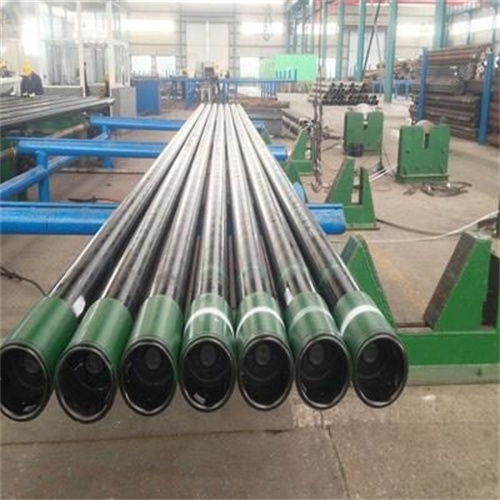
Automation technologies are also playing a crucial role in streamlining oil casing operations. Automated casing running tools and robotics are being used to enhance the efficiency and safety of casing installation and removal processes. These technologies not only reduce human error but also increase operational speed and accuracy, leading to cost savings and improved productivity.
Moreover, the adoption of digital twin technology is revolutionizing how oil casing assets are managed and maintained. Digital twins are virtual replicas of physical assets that enable operators to simulate different operating scenarios, predict maintenance needs, and optimize performance. By leveraging digital twin technology, operators can improve asset reliability, reduce downtime, and extend the lifespan of oil casing equipment.
In addition to technological advancements, market projections indicate a positive outlook for the oil casing industry in the coming years. The increasing global demand for oil and gas, particularly in emerging economies, is driving the need for new drilling projects and infrastructure development. This growing demand is expected to fuel the demand for oil casing solutions, creating lucrative opportunities for Manufacturers and Suppliers in the industry.
api 5ct l80 CASING Company
Furthermore, the shift towards unconventional oil and gas exploration, such as shale and deepwater drilling, is driving the demand for specialized casing solutions that can withstand challenging geological conditions. As operators continue to explore new frontiers in search of oil and gas reserves, the demand for innovative and reliable oil casing technologies is expected to increase significantly.
In conclusion, the oil casing industry is undergoing a period of rapid transformation driven by technological advancements and market dynamics. The integration of advanced materials, digital technologies, and automation is revolutionizing how oil casing operations are conducted, leading to improved efficiency, safety, and performance. With positive market projections and growing demand for oil casing solutions, the future of the industry looks promising, offering ample opportunities for innovation and growth.