Benefits of Public-Private Partnerships in the Oil Casing Industry
Public-private partnerships (PPPs) have become increasingly popular in the oil casing industry as a means of promoting collaboration between the public and private sectors. These partnerships offer a range of benefits, including increased efficiency, reduced costs, and improved service delivery. In this article, we will explore the interpretation of policy measures for promoting PPPs in the oil casing industry and discuss the advantages that these partnerships can bring.
One of the key policy measures for promoting PPPs in the oil casing industry is the establishment of clear guidelines and regulations. These guidelines help to ensure that PPPs are structured in a way that is fair and transparent, and that the interests of both the public and private sectors are protected. By providing a clear framework for collaboration, policyMakers can encourage more Companies to participate in PPPs and help to drive innovation and efficiency in the industry.
Another important policy measure for promoting PPPs in the oil casing industry is the provision of financial incentives. These incentives can take the form of tax breaks, subsidies, or grants, and are designed to encourage companies to invest in PPPs and take on the associated risks. By providing financial support to companies that participate in PPPs, policymakers can help to offset some of the costs and risks involved in these partnerships, making them more attractive to potential partners.
In addition to financial incentives, policymakers can also promote PPPs in the oil casing industry by providing technical assistance and capacity building support. This can include training programs, workshops, and other resources that help companies to develop the skills and knowledge needed to successfully participate in PPPs. By providing this support, policymakers can help to build the capacity of companies in the industry and ensure that they are able to effectively collaborate with the public sector.
One of the key benefits of PPPs in the oil casing industry is increased efficiency. By bringing together the resources and expertise of both the public and private sectors, PPPs can help to streamline processes, reduce duplication, and improve overall efficiency. This can lead to cost savings for both partners and help to ensure that projects are completed on time and within budget.
Another benefit of PPPs in the oil casing industry is improved service delivery. By working together, the public and private sectors can leverage their respective strengths to deliver high-quality services to customers. This can help to improve customer satisfaction, build trust in the industry, and drive growth and innovation.
 Overall, PPPs have the potential to bring significant benefits to the oil casing industry. By promoting collaboration between the public and private sectors, policymakers can help to drive efficiency, reduce costs, and improve service delivery. By establishing clear guidelines, providing financial incentives, and offering technical assistance, policymakers can create an environment that is conducive to the development of successful PPPs in the industry. As the oil casing industry contiNues to evolve, PPPs will play an increasingly important role in driving growth and innovation in the sector.
Challenges and Solutions in Implementing Policy Measures for Public-Private Partnerships
Public-private partnerships (PPPs) have become increasingly popular in various industries, including the oil casing industry. These partnerships involve collaboration between the government and private sector entities to achieve common goals, such as improving infrastructure or providing essential services. In the oil casing industry, PPPs can help drive innovation, increase efficiency, and promote sustainable development. However, implementing policy measures to promote PPPs in this sector can be challenging due to various factors.
One of the main challenges in implementing policy measures for promoting PPPs in the oil casing industry is the complex regulatory environment. The Oil and Gas sector is heavily regulated, with numerous laws and regulations governing exploration, production, and transportation activities. This regulatory framework can make it difficult for private sector companies to navigate the legal requirements and enter into partnerships with the government. Additionally, Differences in regulatory standards between countries can further complicate the process of establishing PPPs in the oil casing industry.
Another challenge is the lack of clarity and consistency in policy measures related to PPPs. Governments may have different priorities and objectives when it comes to promoting partnerships with the private sector. This can lead to confusion and uncertainty among potential partners, making it difficult to reach agreements and move forward with projects. In some cases, policy measures may be poorly designed or implemented, leading to inefficiencies and delays in the development of PPPs in the oil casing industry.
| No. | Product Name |
| 1 | Steel Pipes |
Furthermore, the lack of capacity and expertise within government agencies can hinder the successful implementation of policy measures for promoting PPPs in the oil casing industry. Public officials may lack the necessary skills and knowledge to effectively manage partnerships with private sector companies. This can result in miscommunication, misunderstandings, and conflicts between the government and its private sector partners, ultimately undermining the success of PPP projects.
Despite these challenges, there are several solutions that can help overcome the obstacles to implementing policy measures for promoting PPPs in the oil casing industry. One solution is to improve coordination and communication between government agencies and private sector companies. By establishing clear channels of communication and fostering collaboration, both parties can work together more effectively to achieve their shared objectives.
Another solution is to enhance the capacity and expertise of government officials involved in PPP projects. Training programs and workshops can help public officials develop the skills and knowledge needed to successfully manage partnerships with private sector entities. By investing in human c APItal, governments can improve the quality and efficiency of PPP projects in the oil casing industry.
Additionally, governments can streamline the regulatory framework governing PPPs in the oil casing industry to make it more transparent and predictable for private sector companies. By simplifying the regulatory process and harmonizing standards across different jurisdictions, governments can create a more conducive environment for PPPs to thrive.
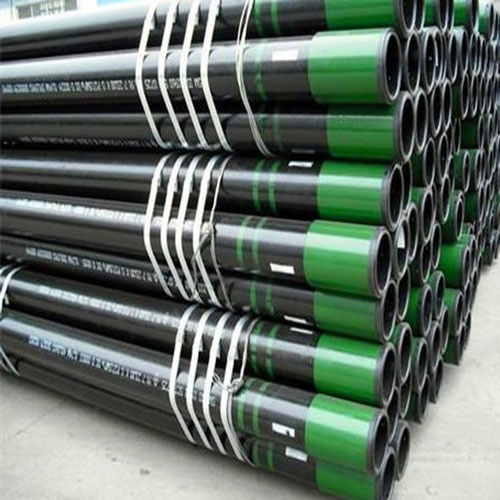
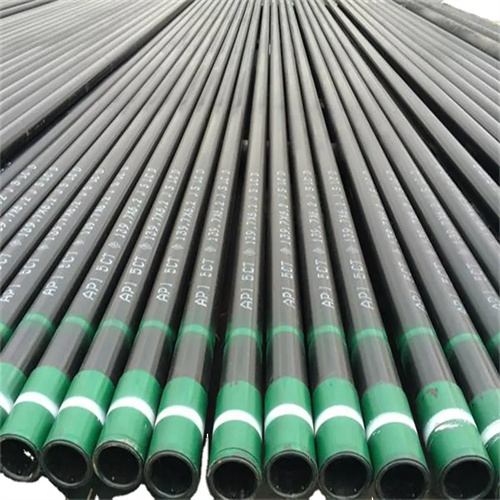
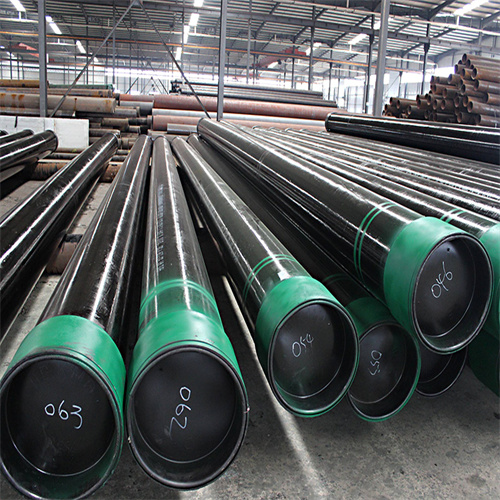
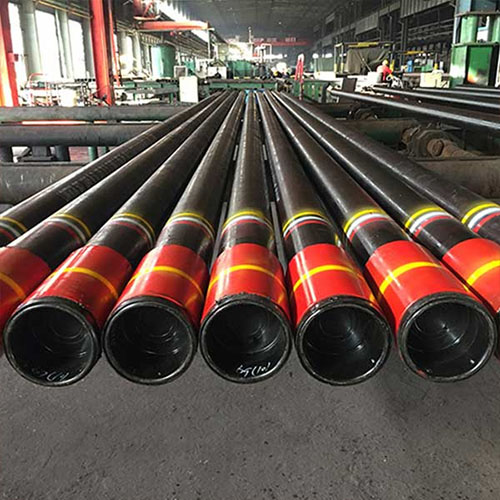
api 5ct N80-Q CASING Best chinese wholesalers
In conclusion, while there are challenges in implementing policy measures for promoting PPPs in the oil casing industry, there are also solutions that can help overcome these obstacles. By improving coordination, enhancing capacity, and streamlining regulations, governments can create a more favorable environment for public-private partnerships to flourish in the oil casing industry. Ultimately, PPPs have the potential to drive innovation, increase efficiency, and promote sustainable development in this critical sector.
Case Studies of Successful Public-Private Partnerships in the Oil Casing Industry
Public-private partnerships (PPPs) have become increasingly popular in the oil casing industry as a means of promoting collaboration between government entities and private companies. These partnerships are designed to leverage the strengths of both sectors to achieve common goals, such as improving infrastructure, enhancing service delivery, and driving economic growth. In this article, we will explore the interpretation of policy measures for promoting PPPs in the oil casing industry through a series of case studies of successful partnerships.
One of the key policy measures that have been instrumental in promoting PPPs in the oil casing industry is the establishment of clear guidelines and regulations governing the formation and operation of these partnerships. By providing a framework for collaboration, governments can ensure that PPPs are structured in a way that maximizes the benefits for all stakeholders involved. This includes defining the roles and responsibilities of each party, setting out the terms of the partnership agreement, and establishing mechanisms for monitoring and evaluating performance.
A prime example of a successful PPP in the oil casing industry is the partnership between the government of Nigeria and a consortium of private companies to develop a new oil drilling project. The government provided the necessary permits and regulatory approvals, while the private sector partners brought in the technical expertise and financial resources needed to carry out the project. By working together, the partners were able to overcome the challenges of developing a new oil field and bring the project to fruition within budget and on schedule.
Another important policy measure for promoting PPPs in the oil casing industry is the provision of financial incentives and support to encourage private sector participation. This can take the form of tax breaks, subsidies, grants, or other forms of financial assistance that help offset the risks and costs associated with investing in infrastructure projects. By offering these incentives, governments can attract private sector investment and ensure that PPPs are financially viable for all parties involved.
A notable example of a successful PPP in the oil casing industry that benefited from financial incentives is the partnership between the government of Kazakhstan and a multinational oil Company to develop a new pipeline project. The government provided tax breaks and other financial incentives to the private sector partner, which helped offset the high costs of constructing the pipeline. As a result, the project was completed ahead of schedule and under budget, delivering significant economic benefits to both parties.
In addition to clear guidelines and financial incentives, effective communication and stakeholder engagement are also critical policy measures for promoting successful PPPs in the oil casing industry. By involving all relevant stakeholders in the decision-making process and keeping them informed throughout the project lifecycle, governments can build trust and consensus around the partnership, leading to better outcomes for all parties involved.
A case in point is the partnership between the government of Brazil and a consortium of private companies to develop a new offshore drilling project. By engaging with local communities, environmental groups, and other stakeholders early on in the planning process, the partners were able to address concerns and build support for the project. This proactive approach to stakeholder engagement helped to minimize conflicts and delays, ensuring that the project was completed on time and within budget.
In conclusion, the interpretation of policy measures for promoting PPPs in the oil casing industry is essential for driving successful partnerships between government entities and private companies. By establishing clear guidelines, providing financial incentives, and engaging stakeholders effectively, governments can create an enabling environment for collaboration that maximizes the benefits of PPPs for all parties involved. Through the case studies highlighted in this article, we have seen how these policy measures have been applied in practice to achieve successful outcomes in the oil casing industry.