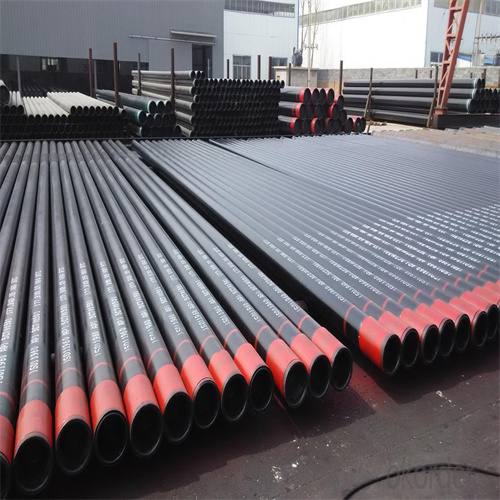
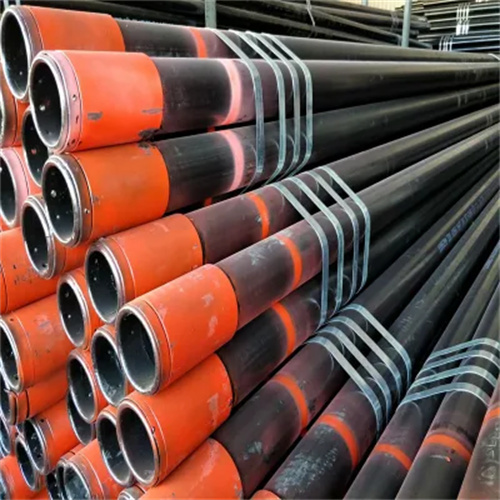
Key Components of Lean Manufacturing in the Oil Casing Industry
Lean manufacturing has become a crucial strategy for industries seeking to optimize their production processes and enhance efficiency. In the oil casing industry, where precision and quality are paramount, implementing lean manufacturing principles is essential for staying competitive in the market. To truly understand the technical environment for lean manufacturing in the oil casing industry, it is important to delve into the key components that drive this approach.
One of the fundamental components of lean manufacturing in the oil casing industry is value stream mapping. This process involves analyzing the entire production workflow to identify areas of waste and inefficiency. By mapping out the value stream, Companies can pinpoint bottlenecks, redundancies, and unnecessary steps in the manufacturing process. This allows them to streamline operations, reduce lead times, and ultimately deliver products to customers more efficiently.
Another critical component of lean manufacturing in the oil casing industry is just-in-time production. This approach emphasizes producing goods only as they are needed, thereby minimizing inventory levels and reducing storage costs. By adopting a just-in-time production model, oil casing Manufacturers can respond more quickly to changes in demand, avoid overproduction, and improve overall production flexibility.
Kaizen, or continuous improvement, is also a key component of lean manufacturing in the oil casing industry. By fostering a culture of continuous improvement, companies can empower employees at all levels to identify and implement small, incremental changes that lead to significant improvements in efficiency and quality. Kaizen encourages employees to constantly seek ways to optimize processes, eliminate waste, and enhance overall productivity.
Standardized work procedures play a crucial role in lean manufacturing for the oil casing industry. By establishing standardized work instructions and procedures, companies can ensure consistency in production processes, reduce variability, and improve quality control. Standardized work also facilitates cross-training and enables employees to perform multiple tasks, enhancing operational flexibility and agility.
Stainless Steel TubingVisual management is another important component of lean manufacturing in the oil casing industry. Visual management tools such as kanban boards, Andon systems, and visual work instructions help employees easily understand workflow status, identify problems, and make informed decisions in real time. Visual management promotes transparency, enhances communication, and fosters a culture of accountability and continuous improvement.
Overall equipment effectiveness (OEE) is a key metric used in lean manufacturing to measure the efficiency of production processes in the oil casing industry. By tracking OEE, companies can identify areas for improvement, set performance benchmarks, and monitor the overall effectiveness of their manufacturing operations. Improving OEE leads to increased productivity, reduced downtime, and higher quality output.
 In conclusion, understanding the key components of lean manufacturing in the oil casing industry is essential for companies looking to optimize their production processes, reduce waste, and enhance overall efficiency. By implementing value stream mapping, just-in-time production, kaizen, standardized work procedures, visual management, and OEE measurement, oil casing Manufacturers can achieve significant improvements in quality, productivity, and competitiveness in the market.