Fostering innovation Amid Challenges in Oil Casing Technology Environment Analysis
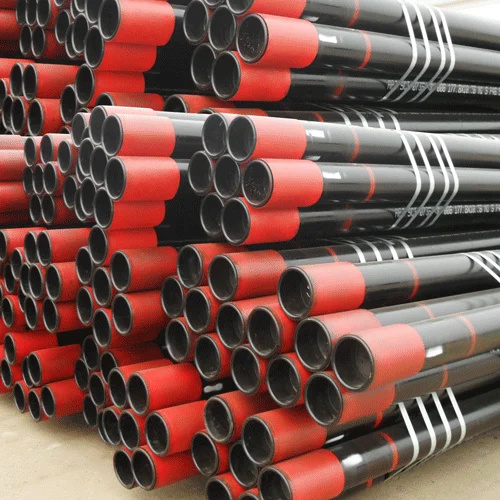
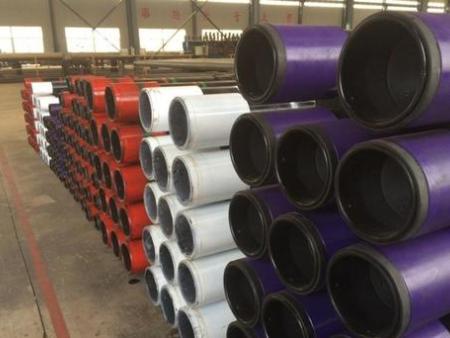
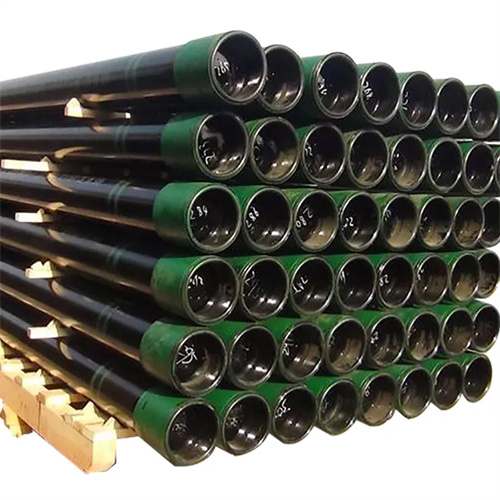
Oil casing technology plays a crucial role in the Oil and Gas industry, providing structural support and protection for wells. As the industry contiNues to evolve, the oil casing technology environment faces a myriad of challenges and opportunities. In this dynamic landscape, fostering innovation is essential to drive progress and address the pressing issues at hand.
One of the key challenges in the oil casing technology environment is the need for enhanced durability and reliability. Wells operate in harsh conditions, subjecting casings to extreme temperatures, pressures, and corrosive substances. Innovations in Materials science and engineering are crucial to developing casings that can withstand these challenges and ensure the integrity of the well.
Moreover, environmental concerns have become a significant driver of innovation in the oil casing technology sector. As the industry faces increasing scrutiny over its impact on the environment, there is a growing demand for sustainable and eco-friendly solutions. Innovations such as recyclable materials, reduced carbon footprint, and environmentally friendly manufacturing processes are gaining traction in the industry.
In addition to these challenges, the oil casing technology environment is also ripe with opportunities for innovation. Advances in digital technologies, such as IoT sensors and data analytics, are revolutionizing the way wells are monitored and maintained. Real-time data insights enable proactive decision-making, leading to improved efficiency and cost savings.
Furthermore, the shift towards automation and robotics presents new possibilities for enhancing the efficiency and safety of casing installation and Maintenance processes. Automated casing running tools and robotic inspection systems are streamlining operations and reducing the need for manual intervention, thereby improving overall productivity.
Collaboration and knowledge sharing are also key drivers of innovation in the oil casing technology environment. Industry partnerships, research collaborations, and knowledge exchange platforms facilitate the sharing of best practices, expertise, and technological advancements. By fostering a culture of collaboration, stakeholders can leverage collective intelligence to drive innovation and address common challenges.
In conclusion, the oil casing technology environment is a dynamic and complex landscape that presents both challenges and opportunities for innovation. By investing in research and development, embracing sustainability, leveraging digital technologies, and fostering collaboration, the industry can overcome challenges and drive progress towards a more efficient, sustainable, and resilient future. Fostering innovation is not only essential for staying competitive in the market but also for ensuring the long-term viability of the oil and gas industry.
Opportunities for Innovation in Oil Casing Technology Environment Analysis
Oil casing technology plays a crucial role in the oil and gas industry, providing structural support and protection for wells. In the dynamic environment of oil casing technology, innovation is essential to address challenges and seize opportunities. One of the key opportunities for innovation lies in the development of advanced materials that can withstand harsh operating conditions. By leveraging materials science and engineering expertise, Companies can enhance the durability and performance of oil casings, leading to more efficient and cost-effective operations.
Another area ripe for innovation is the integration of digital technologies into oil casing design and monitoring. The use of sensors, data analytics, and real-time monitoring systems can provide valuable insights into the integrity of casings, enabling proactive maintenance and reducing the risk of failures. This digital transformation not only improves operational efficiency but also enhances safety and environmental sustainability.
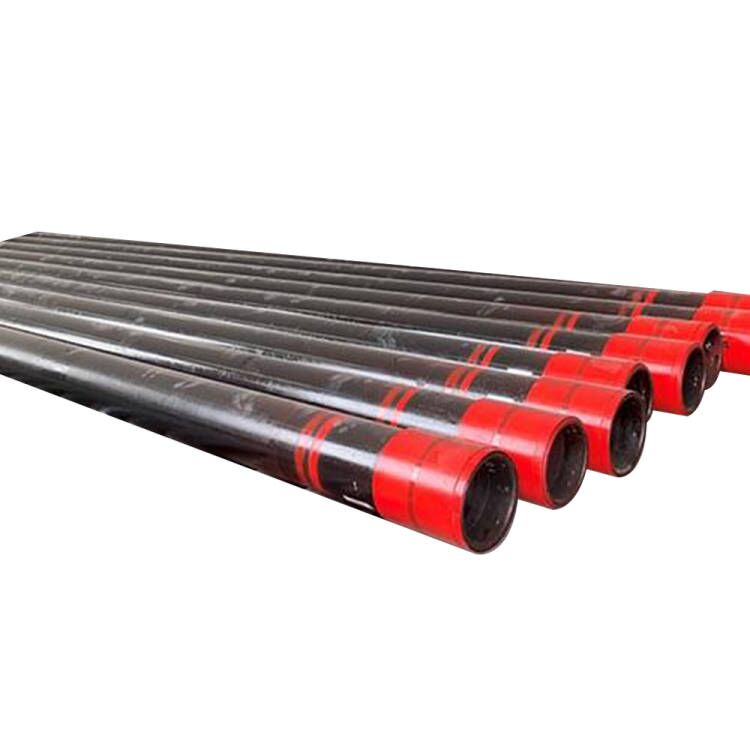
Carbon Steel PipesFurthermore, the adoption of automation and robotics in oil casing manufacturing and installation processes presents an opportunity to streamline operations and reduce human error. Automated systems can increase precision and speed, leading to faster project completion times and lower costs. By embracing automation, companies can optimize their workflows and improve overall productivity.
 In addition to technological advancements, collaboration and knowledge sharing within the industry are essential for fostering innovation in oil casing technology. Partnerships between companies, research institutions, and government agencies can facilitate the exchange of ideas and expertise, leading to the development of cutting-edge solutions. By working together, stakeholders can pool their resources and capabilities to address common challenges and drive progress in the field.
Moreover, sustainability considerations are increasingly sh APIng the oil and gas industry, creating opportunities for innovation in oil casing technology. Developing eco-friendly materials, implementing recycling programs, and reducing the environmental impact of casing operations are becoming priorities for companies seeking to align with global sustainability goals. By investing in sustainable practices, companies can not only reduce their carbon footprint but also enhance their reputation and appeal to environmentally conscious stakeholders.
In conclusion, the oil casing technology environment presents a fertile ground for innovation, with numerous opportunities waiting to be explored. By focusing on materials development, digital integration, automation, collaboration, and sustainability, companies can stay ahead of the curve and drive positive change in the industry. Embracing innovation is not only a strategic imperative but also a pathway to long-term success in the ever-evolving landscape of oil and gas exploration and production.