innovations in Oil Casing Technology: Overcoming Challenges with Smart Solutions
Oil casing technology plays a crucial role in the Oil and Gas industry, providing structural support and protection for wells. Despite the challenges that come with drilling in harsh environments and complex geological formations, advancements in oil casing technology have paved the way for innovative solutions that turn these challenges into opportunities.

One of the key challenges in oil casing technology is ensuring the integrity of the wellbore under high-pressure conditions. With the development of high-strength Materials and advanced manufacturing techniques, engineers can now design casings that can withstand extreme pressures and temperatures. This not only enhances the safety and reliability of the well but also allows for deeper drilling and access to previously untapped reserves.
Corrosion is another significant challenge faced by oil casing systems, especially in offshore drilling operations where exposure to seawater and corrosive substances is common. To address this issue, researchers have been working on developing corrosion-resistant coatings and materials that can prolong the lifespan of casings and reduce Maintenance costs. By incorporating these innovative solutions, operators can mitigate the impact of corrosion and ensure the long-term integrity of their wells.
In addition to mechanical challenges, oil casing technology also faces environmental considerations, particularly in terms of wellbore stability and Cementing operations. To address these concerns, Companies are investing in smart technologies such as real-time monitoring systems and automated drilling processes. These technologies not only improve operational efficiency but also minimize the environmental footprint of drilling activities, making oil extraction more sustainable in the long run.
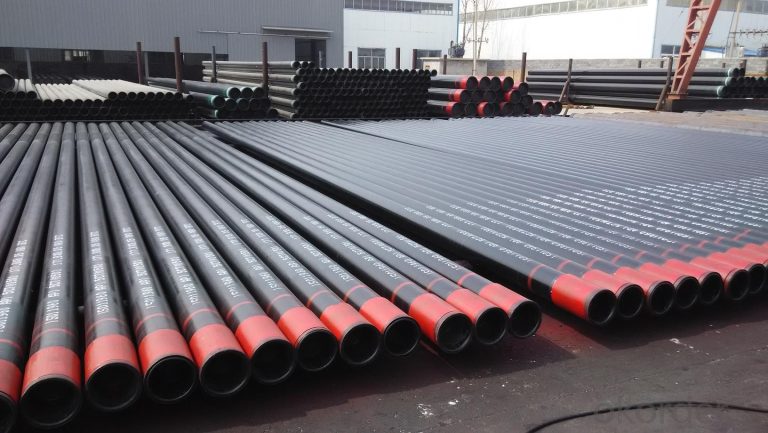
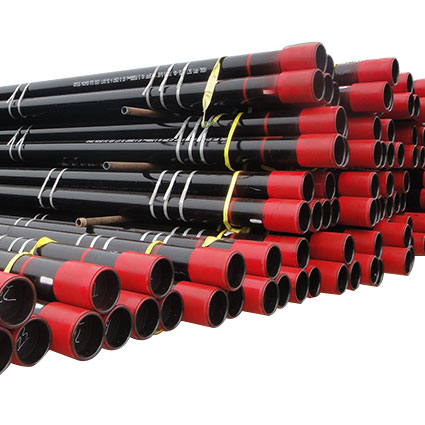
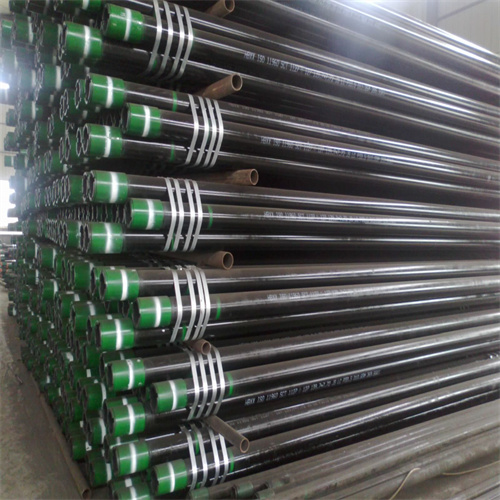
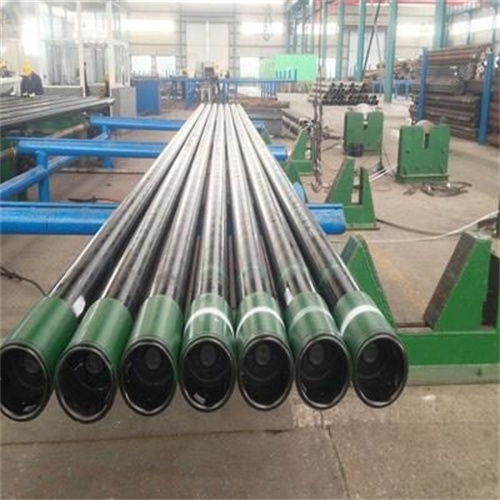
5CT TubingFurthermore, the trend towards digitalization and data-driven decision-making is revolutionizing the oil and gas industry, including oil casing technology. By leveraging big data analytics and predictive modeling, operators can optimize casing design and placement, leading to more efficient well Construction and production. This data-driven approach not only enhances operational performance but also enables proactive maintenance and risk management, ultimately reducing downtime and maximizing production output.
Overall, the evolution of oil casing technology is a testament to the industry’s ability to adapt and innovate in the face of challenges. By embracing smart solutions and cutting-edge technologies, operators can overcome traditional limitations and unlock new opportunities for growth and efficiency in oil and gas exploration. As the industry contiNues to evolve, the future of oil casing technology holds great promise for sustainable and responsible energy production.
Enhancing Oil Casing Durability: Strategies to Turn Challenges into Opportunities
Oil casing technology plays a crucial role in the oil and gas industry, providing structural support and protection for wells. The durability of oil casing is essential for the overall success and longevity of oil extraction operations. However, challenges often arise that can compromise the integrity and effectiveness of oil casing systems. These challenges present opportunities for innovation and improvement in oil casing technology.
One of the primary challenges faced in oil casing technology is corrosion. Corrosion can weaken the casing material over time, leading to structural failures and leaks. To address this challenge, companies are investing in corrosion-resistant materials and coatings that can enhance the durability of oil casing systems. By incorporating these advanced materials, operators can significantly extend the lifespan of their wells and reduce maintenance costs.
Another significant challenge in oil casing technology is the impact of high-pressure environments. Wells operating under high pressure face increased stress and strain, which can accelerate wear and tear on casing components. To mitigate this challenge, engineers are developing high-strength casing materials that can withstand extreme pressure conditions. By using these advanced materials, operators can ensure the integrity of their wells and prevent costly downtime due to equipment failures.
Furthermore, the issue of casing deformation poses a challenge to oil extraction operations. Deformation can occur due to various factors, including temperature fluctuations and mechanical stresses. To combat this challenge, companies are implementing innovative design solutions that enhance the structural integrity of casing systems. By optimizing the design of casings and Coupling systems, operators can minimize the risk of deformation and improve the overall performance of their wells.
In addition to these challenges, the need for effective cementing and Sealing solutions in oil casing technology is paramount. Proper cementing is essential for securing the casing in place and preventing fluid migration between different geological formations. Companies are investing in advanced cementing technologies and techniques to ensure a reliable seal and enhance the overall integrity of Oil Wells. By improving cementing practices, operators can reduce the risk of wellbore instability and environmental contamination.
Overall, the challenges faced in oil casing technology present opportunities for innovation and advancement in the industry. By addressing issues such as corrosion, high-pressure environments, casing deformation, and cementing solutions, companies can enhance the durability and performance of oil casing systems. Through continuous research and development, the oil and gas industry can turn these challenges into opportunities for growth and sustainability in oil extraction operations.