Potential Risks of Using Old or Damaged Petrol Pipes
Petrol pipes are a crucial component of any vehicle’s fuel system, responsible for transporting fuel from the tank to the engine. Over time, these pipes can become worn out or damaged, posing potential risks to both the vehicle and its occupants. It is important for car owners to be aware of the dangers associated with using old or damaged petrol pipes and to take necessary precautions to prevent any mishaps.
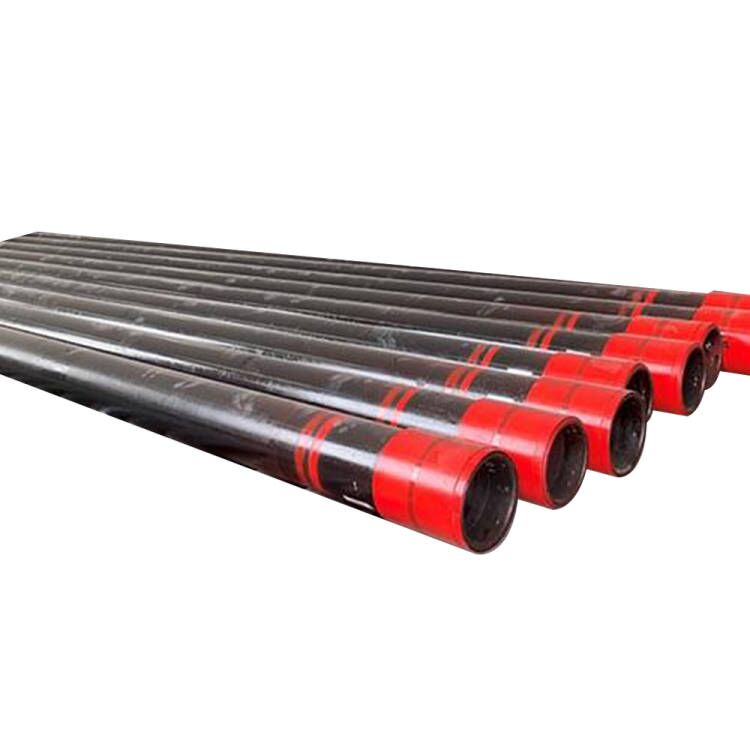
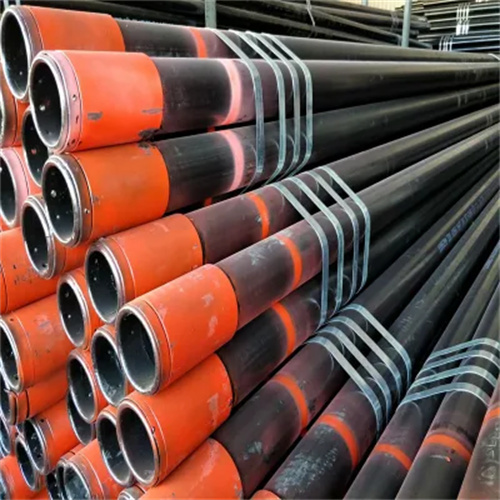
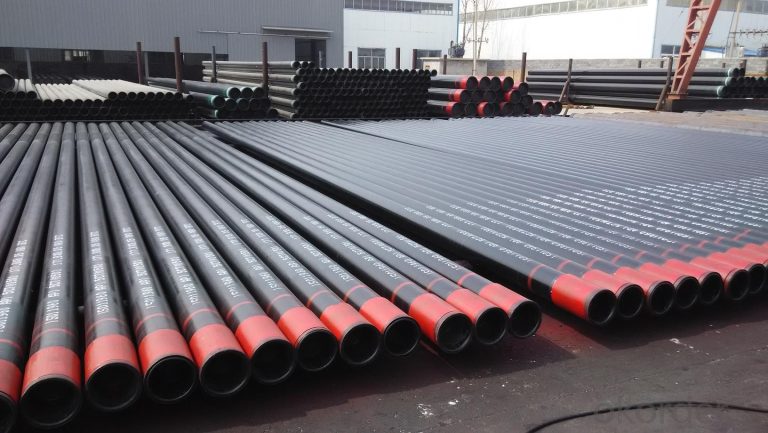
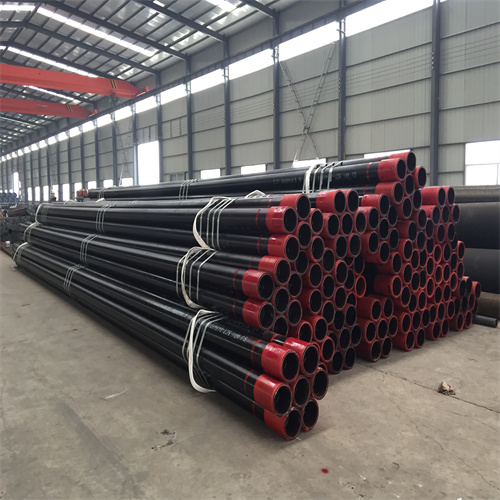
PETROLEUM Casing Pipe wholesalersOne of the primary risks of using old or damaged petrol pipes is the potential for fuel leaks. As petrol pipes age, they can develop cracks or holes that allow fuel to escape. This not only leads to wastage of fuel but also poses a serious fire hazard. A leaking petrol pipe can result in fuel coming into contact with hot engine components, leading to a fire or explosion. In addition to the immediate danger posed by a fuel leak, the fumes emitted by leaking petrol can be toxic and harmful to health.
Another risk associated with old or damaged petrol pipes is the potential for reduced fuel efficiency. When petrol pipes are compromised, they may not be able to deliver fuel to the engine at the required rate and pressure. This can result in poor engine performance, decreased fuel economy, and increased emissions. In some cases, a faulty petrol pipe can even cause the engine to stall or fail to start altogether, leaving the driver stranded.
Furthermore, using old or damaged petrol pipes can also lead to contamination of the fuel system. If debris or contaminants enter the petrol pipe through a crack or hole, they can clog the fuel filter or injectors, causing further damage to the engine. Contaminated fuel can also lead to engine knocking, reduced power output, and increased wear and tear on engine components. Ultimately, neglecting the condition of petrol pipes can result in costly Repairs and decreased vehicle reliability.
To mitigate the risks associated with old or damaged petrol pipes, car owners should regularly inspect their fuel system for signs of wear and tear. This includes checking for visible cracks, corrosion, or leaks in the petrol pipes, as well as ensuring that all Connections are secure and properly Sealed. If any issues are detected, it is important to address them promptly by replacing the affected petrol pipes with new ones.
In addition to regular inspections, car owners should also be mindful of the age and mileage of their vehicle when assessing the condition of petrol pipes. Older vehicles with high mileage are more likely to have worn-out petrol pipes that require replacement. It is recommended to consult a professional mechanic or technician for a thorough inspection of the fuel system and to determine the best course of action for replacing old or damaged petrol pipes.
 In conclusion, the potential risks of using old or damaged petrol pipes are significant and should not be overlooked. From fuel leaks and reduced fuel efficiency to engine contamination and costly repairs, the consequences of neglecting petrol pipe Maintenance can be severe. Car owners must prioritize the health and safety of their vehicle by regularly inspecting and replacing worn-out petrol pipes to ensure optimal performance and reliability. By taking proactive measures to address fuel system issues, drivers can avoid potential hazards and enjoy a Smooth and trouble-free driving experience.
How to Properly Maintain and Inspect Petrol Pipes in Vehicles
Petrol pipes are a crucial component of any vehicle’s fuel system, responsible for delivering fuel from the tank to the engine. Proper maintenance and inspection of petrol pipes are essential to ensure the smooth and efficient operation of your vehicle. Neglecting to maintain and inspect petrol pipes can lead to fuel leaks, engine misfires, and even fires. In this article, we will discuss how to properly maintain and inspect petrol pipes in vehicles.
One of the most important aspects of maintaining petrol pipes is to regularly check for any signs of wear or damage. Inspect the pipes for cracks, leaks, or corrosion, as these can all indicate that the petrol pipes are in need of repair or replacement. It is also important to check the fittings and connections of the petrol pipes to ensure that they are secure and free from any leaks.
In addition to visual inspections, it is also important to regularly test the petrol pipes for leaks. One way to do this is to pressurize the fuel system and check for any drops in pressure, which can indicate a leak in the petrol pipes. Another method is to use a fuel leak detection kit, which can help pinpoint the location of any leaks in the petrol pipes.
Regularly cleaning the petrol pipes is also important for maintaining their integrity and preventing clogs. Over time, dirt, debris, and other contaminants can build up in the petrol pipes, leading to reduced fuel flow and potential damage to the engine. Use a fuel system cleaner to flush out any buildup in the petrol pipes and keep them clean and free from obstructions.
Properly securing the petrol pipes is another important aspect of maintenance. Ensure that the pipes are properly supported and secured to prevent them from coming loose or rubbing against other components of the vehicle. Loose or improperly secured petrol pipes can lead to leaks, which can be dangerous and costly to repair.
It is also important to regularly check the fuel filter, as a clogged or dirty filter can put additional strain on the petrol pipes and reduce fuel flow to the engine. Replace the fuel filter as recommended by the Manufacturer to ensure that the petrol pipes are not being compromised by a dirty or clogged filter.
| No. | Name |
| 1 | Casing pipe |
In conclusion, maintaining and inspecting petrol pipes in vehicles is essential for ensuring the safe and efficient operation of your vehicle. Regularly check for signs of wear or damage, test for leaks, clean the pipes, secure them properly, and replace the fuel filter as needed to keep your petrol pipes in top condition. By following these tips, you can help prevent costly repairs and ensure that your vehicle’s fuel system is functioning properly.