Progressions in Oil Casing technical Cyber Threats Responses: Effects and Reactions
In the realm of oil casing technology, the emergence of cyber threats has significantly altered the landscape of operations. As the industry contiNues to digitize and integrate advanced technologies, the vulnerabilities to cyber attacks have become more pronounced. These threats not only pose risks to the integrity of oil casing systems but also have the potential to disrupt entire operations, leading to significant financial and reputational damages.
The effects of cyber threats on oil casing technical responses are multifaceted. One of the primary consequences is the compromise of sensitive data and intellectual property. Cyber attackers target critical information related to oil casing designs, operational strategies, and proprietary technologies. The theft of such data can give competitors an unfair advantage and compromise the innovation and competitiveness of Companies within the industry.
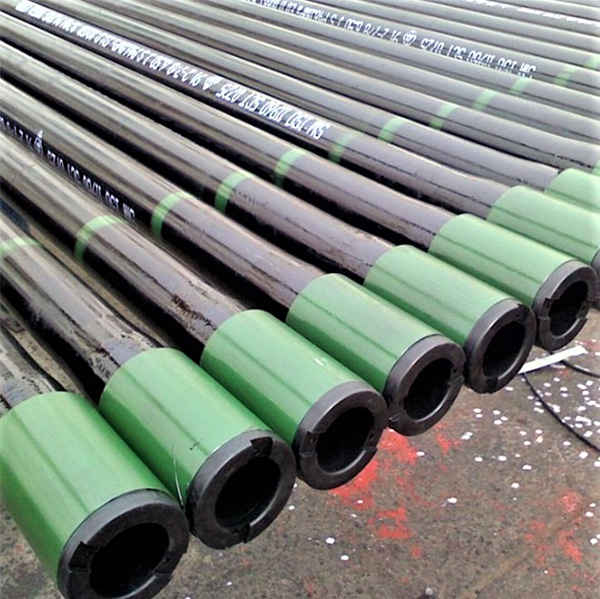
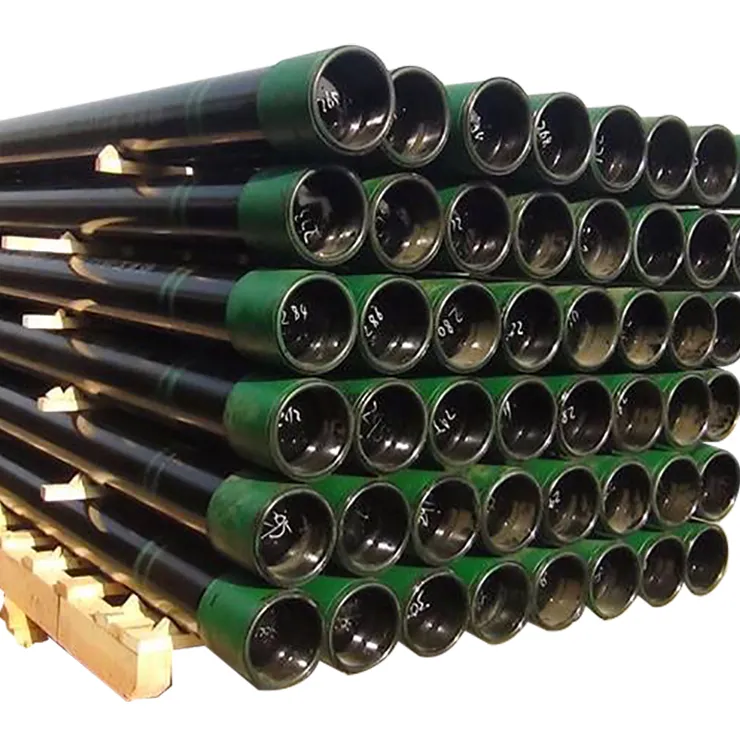
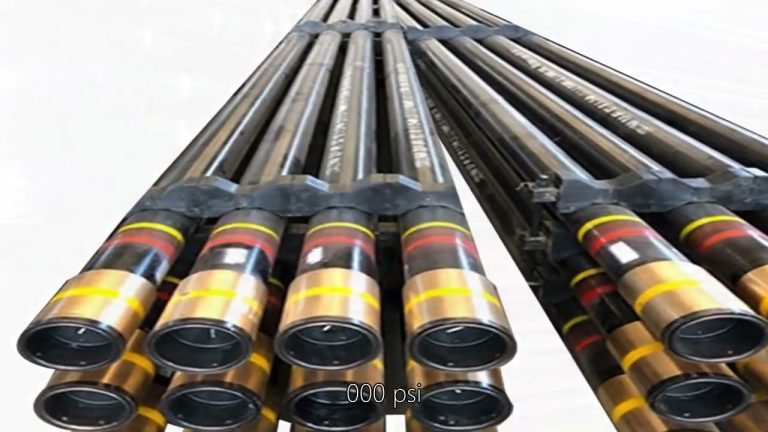
API 5ct Q125 casing Exporters
Moreover, cyber threats can directly impact the functionality and safety of oil casing systems. By infiltrating control systems and sensors, attackers can manipulate operational parameters, leading to malfunctions or even catastrophic failures. The integrity of oil casing structures is crucial for maintaining the safety of personnel and the environment. Any compromise in this regard can have far-reaching consequences, including environmental disasters and loss of human life.
In response to these evolving threats, the oil casing industry has been forced to adapt and enhance its cybersecurity measures. Companies are investing in advanced encryption technologies, intrusion detection systems, and real-time monitoring tools to safeguard their digital infrastructure. Additionally, there is a growing emphasis on employee training and awareness programs to mitigate the risks posed by social engineering attacks and insider threats.
The reactions to cyber threats within the oil casing sector extend beyond technological solutions. Regulatory bodies and industry associations are playing a crucial role in setting standards and guidelines for cybersecurity practices. Compliance with these regulations is not only a legal requirement but also a strategic imperative for companies looking to build trust with stakeholders and protect their operations from potential disruptions.
Furthermore, collaboration and information sharing have become essential components of effective cyber threat responses. Industry partnerships, threat intelligence sharing platforms, and coordinated incident response mechanisms are being leveraged to enhance the collective resilience of the oil casing sector against cyber attacks. By pooling resources and expertise, companies can better anticipate, detect, and mitigate emerging threats in a proactive manner.

In conclusion, the progression of oil casing technical cyber threat responses reflects the dynamic nature of cybersecurity challenges facing the industry. The effects of these threats are far-reaching, impacting data security, operational integrity, and overall safety. However, through a combination of technological advancements, regulatory compliance, and collaborative efforts, the oil casing sector is working towards building a more secure and resilient digital ecosystem. The proactive stance taken by industry stakeholders is essential in mitigating the risks posed by cyber threats and ensuring the sustainability of oil casing operations in an increasingly digitized world.