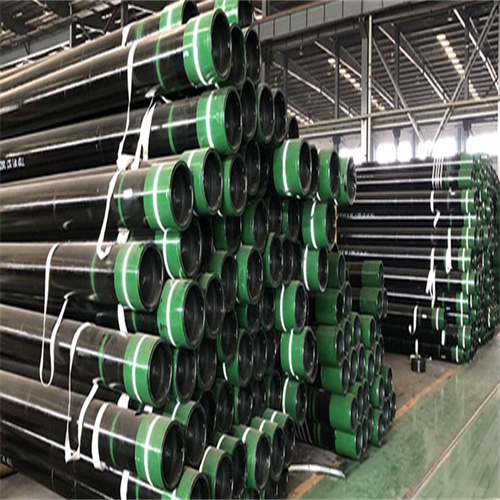
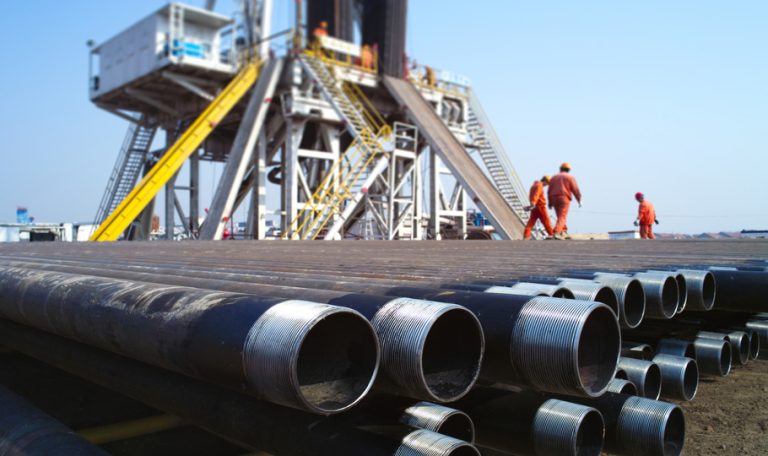
Corrosion resistance of Oil Casing Materials: Factors and Considerations
In the realm of Oil and Gas exploration, the choice of casing materials plays a critical role in ensuring the integrity and longevity of wells. Among the many factors influencing this decision, perhaps none is as crucial as corrosion resistance. The ability of casing materials to withstand corrosive environments directly impacts the operational lifespan and safety of Oil Wells.
Corrosion in oil casing materials can arise from various sources, including the chemical composition of the reservoir fluids, such as acids and hydrogen sulfide, as well as environmental factors like humidity and temperature fluctuations. Understanding these factors is essential for selecting the appropriate materials that can endure these harsh conditions over extended periods.
Stainless Steels are widely favored in the industry for their inherent resistance to corrosion. Their composition, typically including chromium and nickel, forms a protective oxide layer that shields the underlying metal from corrosive agents. This passive layer is crucial in preventing direct contact between the casing material and corrosive elements present in the well fluids.
In addition to stainless steels, corrosion-resistant alloys (CRAs) are another significant category of materials utilized in oil casing. CRAs are specifically designed to withstand aggressive environments encountered in oil and gas production. They often incorporate elements like molybdenum, nickel, and tungsten, which enhance their resistance to pitting, crevice corrosion, and stress corrosion cracking.
 The selection of the appropriate corrosion-resistant material involves a meticulous evaluation of several factors. Firstly, the chemical composition of the reservoir fluids must be thoroughly analyzed to determine the potential corrosive threats. high concentrations of hydrogen sulfide, for instance, necessitate materials with enhanced resistance to sulfide stress cracking (SSC) and hydrogen-induced cracking (HIC).
Furthermore, operational parameters such as temperature and pressure conditions within the wellbore play a pivotal role in material selection. High temperatures can accelerate corrosion processes, whereas fluctuating pressures may induce mechanical stresses that can compromise the integrity of the casing material over time.
Moreover, the geographical location of the well and its proximity to marine environments or industrial activities can introduce additional corrosion challenges. Marine atmospheres, for example, can accelerate the onset of corrosion due to the presence of chlorides in seawater.
To mitigate these risks, engineers and metallurgists rely on advanced testing and simulation techniques to assess the performance of casing materials under simulated operational conditions. Accelerated corrosion testing, electrochemical analysis, and exposure to corrosive environments in laboratory settings help validate the durability and reliability of selected materials.
In conclusion, while corrosion remains a formidable challenge in the oil and gas industry, advancements in metallurgical science and engineering have paved the way for the development of highly specialized casing materials. The selection process involves a comprehensive evaluation of environmental factors, reservoir conditions, and material properties to ensure optimal performance and longevity of oil wells. By choosing materials with superior corrosion resistance and conducting rigorous testing protocols, operators can minimize operational risks and extend the productive lifespan of their assets in the demanding field of oil and gas exploration.
Mechanical Properties and Their Importance in Selecting Oil Casing Materials
In the realm of oil exploration and production, the selection of casing materials plays a crucial role in ensuring the integrity and efficiency of drilling operations. Among the various factors that govern this selection, mechanical properties stand out as paramount considerations.
Mechanical properties refer to the characteristics of materials that define their behavior under applied forces. These properties include strength, toughness, hardness, and ductility, each of which plays a specific role in determining the suitability of a material for oil casing applications.
Strength is perhaps the most critical mechanical property in this context. Oil casings are subjected to immense pressures and stresses during drilling and production processes. Therefore, the material must possess adequate strength to withstand these forces without experiencing deformation or failure. High tensile strength, in particular, ensures that the casing can bear the Weight of the geological formations and the equipment used in drilling operations.
Toughness complements strength by indicating a material’s ability to absorb energy and resist fracture under impact or sudden loading conditions. In oil drilling scenarios, where the casing may encounter unexpected forces or abrasive environments, toughness becomes indispensable in preventing catastrophic failures that could halt operations and incur significant costs.
Additionally, hardness plays a role in resisting wear and abrasion. Oil casings may be exposed to abrasive elements within the wellbore, such as rocks and drilling fluids, which can cause surface damage over time. A material with adequate hardness can mitigate such wear, thereby prolonging the operational life of the casing and reducing Maintenance requirements.
Furthermore, ductility is crucial for materials used in oil casings, as it denotes their ability to deform plastically without fracturing under tensile stress. This property ensures that the casing can be fabricated, installed, and Sealed effectively without compromising its structural integrity.
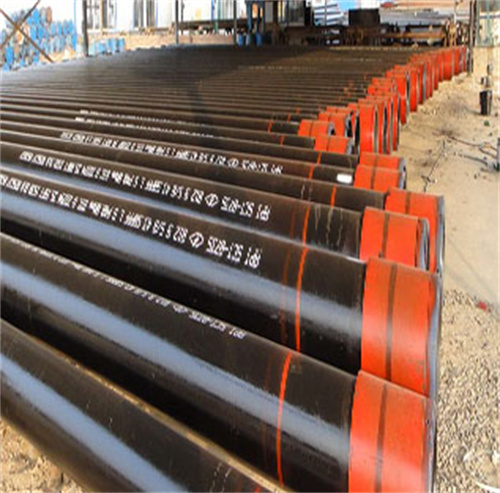
PETROLEUM Casing Pipe china Best Makers
The importance of these mechanical properties in selecting oil casing materials cannot be overstated. Engineers and operators must carefully evaluate these characteristics to ensure that the cHosen materials can endure the demanding conditions of oil extraction while maintaining safety and operational efficiency.
Transitional phrases such as “furthermore,” “in addition,” and “consequently” help to articulate the relationships between different mechanical properties and their implications for material selection. For instance, High strength and toughness are often mutually reinforcing, as materials with superior strength tend to exhibit enhanced toughness due to their microstructural characteristics.
In conclusion, while several factors influence the selection of oil casing materials, mechanical properties emerge as foundational criteria. The interplay between strength, toughness, hardness, and ductility defines the performance and reliability of casings in oil drilling operations. Engineers and industry professionals must leverage these insights to make informed decisions that optimize performance, mitigate risks, and uphold operational integrity throughout the lifecycle of oil wells. By prioritizing mechanical properties, stakeholders can ensure that oil casing materials meet the rigorous demands of modern drilling practices, thereby contributing to sustainable and efficient energy production worldwide.