innovations in Oil Casing Materials for Sustainable Exploration Projects
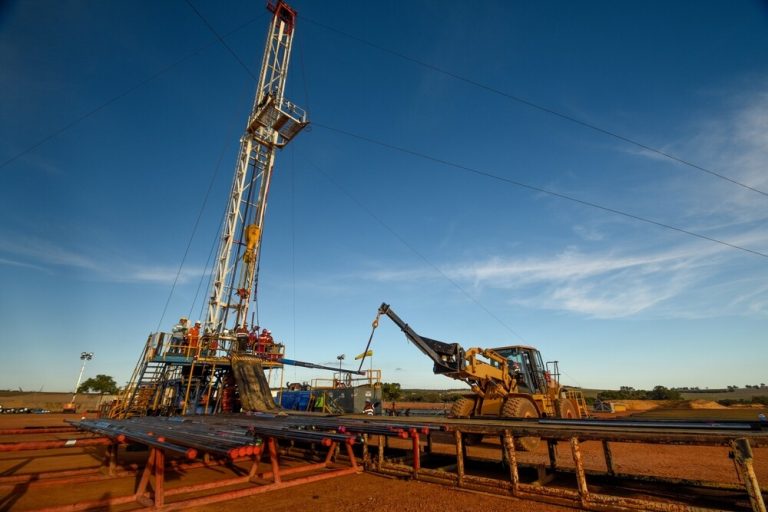
Oil casing plays a crucial role in the Oil and Gas industry, providing structural support and protection for wells during drilling and production operations. As the industry contiNues to evolve, the future trends and possibilities in oil casing materials are becoming increasingly important for sustainable exploration projects. Innovations in oil casing materials are driving the industry towards more efficient and environmentally friendly practices.
One of the key trends in oil casing materials is the development of advanced composite materials. These materials offer superior strength and Corrosion resistance compared to traditional Steel casings. By using composite materials, operators can extend the life of wells, reduce Maintenance costs, and improve overall well performance. Additionally, composite materials are lighter than steel, making them easier to transport and install, further reducing the environmental impact of drilling operations.
Another important trend in oil casing materials is the use of nanotechnology. Nanocomposite materials are being developed to enhance the mechanical properties of oil casings, making them more durable and resistant to harsh downhole conditions. These advanced materials can improve well integrity and reliability, leading to safer and more sustainable drilling operations. Nanotechnology also allows for the development of smart casings that can monitor well conditions in real-time, providing valuable data for optimizing production and reducing downtime.
In addition to advanced materials, the future of oil casing also lies in innovative design concepts. Engineers are exploring new casing configurations and geometries to improve wellbore stability, reduce fluid migration, and enhance overall well performance. By optimizing casing design, operators can maximize oil and gas recovery while minimizing environmental impact.
Furthermore, the integration of digital technologies is revolutionizing the way oil casings are monitored and maintained. IoT sensors and data analytics are being used to monitor casing integrity, detect potential issues early, and optimize maintenance schedules. This proactive approach to well management not only improves operational efficiency but also reduces the risk of costly downtime and environmental incidents.
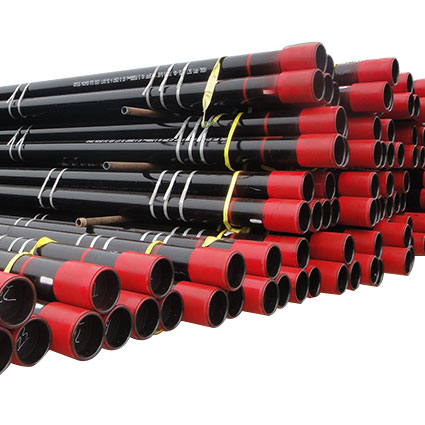
API 5ct R95 CASING china Best Makers
As the oil and gas industry faces increasing pressure to adopt sustainable practices, the role of oil casing materials in achieving these goals cannot be overstated. By embracing innovative materials, design concepts, and digital technologies, operators can enhance the efficiency, safety, and environmental performance of their exploration projects. The future of oil casing is bright, with endless possibilities for sustainable and responsible oil and gas exploration.
Implementing IoT and AI Technologies in Oil Casing Design for Efficiency and Sustainability
Oil casing plays a crucial role in the oil and gas industry, providing structural support and protection for wells during drilling and production operations. As the industry continues to evolve, the future trends and possibilities for oil casing are closely tied to the advancement of sustainable practices in oil and gas exploration projects. Implementing IoT (Internet of Things) and AI (Artificial Intelligence) technologies in oil casing design is a key strategy to enhance efficiency and sustainability in the industry.
The integration of IoT and AI technologies in oil casing design offers a range of benefits that can revolutionize the way wells are constructed and operated. By leveraging IoT sensors, operators can monitor casing integrity in real-time, detecting potential issues such as corrosion or leaks before they escalate. This proactive approach not only improves safety but also reduces downtime and maintenance costs, leading to more sustainable operations.
AI algorithms can analyze vast amounts of data collected by IoT sensors to optimize casing design and material selection. By predicting potential failure points and recommending improvements, AI can help engineers create more durable and environmentally friendly casing solutions. This predictive maintenance approach minimizes the risk of costly failures and enhances the overall sustainability of oil and gas projects.
Furthermore, the use of IoT and AI technologies enables remote monitoring and control of wells, reducing the need for manual intervention and on-site inspections. This not only improves operational efficiency but also minimizes the environmental impact of oil and gas activities by reducing the carbon footprint associated with frequent site visits.
In addition to operational benefits, the implementation of IoT and AI in oil casing design aligns with the industry’s growing focus on sustainability and environmental responsibility. By optimizing casing performance and extending the lifespan of wells, these technologies contribute to resource conservation and waste reduction. Sustainable casing solutions not only benefit the bottom line of Companies but also support the transition towards greener practices in the oil and gas sector.
As the demand for energy continues to rise, the adoption of IoT and AI technologies in oil casing design will play a pivotal role in meeting this demand sustainably. By enhancing operational efficiency, improving safety, and reducing environmental impact, these technologies pave the way for a more sustainable future in oil and gas exploration projects. The synergy between technology and sustainability in oil casing design represents a significant step towards a more efficient and environmentally conscious industry.

In conclusion, the future trends and possibilities for oil casing in sustainable oil and gas exploration projects are closely intertwined with the integration of IoT and AI technologies. By embracing innovation and leveraging data-driven solutions, the industry can achieve greater efficiency, safety, and sustainability in well Construction and operation. The journey towards a greener and more sustainable future in oil and gas exploration begins with the adoption of advanced technologies in oil casing design.
Circular Economy Approaches in Oil Casing Manufacturing for Environmental Conservation
Oil casing plays a crucial role in the oil and gas industry, providing structural support and protection for wells during drilling and production operations. As the world shifts towards sustainable practices, the future trends and possibilities in oil casing manufacturing are increasingly focused on environmental conservation. Circular economy approaches are gaining traction in the industry, offering innovative solutions to reduce waste, minimize environmental impact, and promote resource efficiency.
One of the key trends in oil casing manufacturing is the adoption of recycled materials. By incorporating recycled steel and other materials into the production process, companies can reduce the demand for virgin resources and lower their carbon footprint. This approach not only helps in conserving natural resources but also contributes to the circular economy by closing the loop on material usage.
Furthermore, the development of advanced coatings and treatments for oil casing is another area of focus for sustainable exploration projects. These coatings can enhance the durability and corrosion resistance of the casing, extending its lifespan and reducing the need for frequent replacements. By investing in high-quality coatings, companies can improve the overall efficiency of their operations while minimizing the environmental impact of oil and gas exploration.
In addition to materials and coatings, the design and engineering of oil casing are also evolving to meet the demands of sustainable practices. Innovations such as modular casing systems and smart casing technologies are being explored to optimize well construction and improve operational efficiency. These advancements not only reduce the environmental footprint of drilling activities but also enhance safety and reliability in oil and gas operations.
Another important aspect of sustainable oil casing manufacturing is the emphasis on recycling and reusing old casing materials. Instead of disposing of used casing components, companies are exploring ways to refurbish and repurpose them for future projects. This not only reduces waste generation but also conserves energy and resources that would otherwise be required for manufacturing new casing materials.
Moreover, the integration of digital technologies such as IoT sensors and data analytics is revolutionizing the way oil casing performance is monitored and optimized. Real-time data insights enable proactive maintenance and decision-making, leading to more efficient operations and reduced environmental impact. By leveraging digital solutions, companies can enhance the sustainability of their exploration projects while improving overall productivity.
In conclusion, the future trends and possibilities in oil casing manufacturing for sustainable oil and gas exploration projects are promising. By embracing circular economy approaches, incorporating recycled materials, investing in advanced coatings, optimizing design and engineering, promoting recycling and reuse, and leveraging digital technologies, the industry is moving towards a more environmentally conscious and efficient future. These initiatives not only benefit the environment but also contribute to the long-term viability and success of oil and gas exploration projects.