Understanding Tubing Size and grade Chart in Oil and Gas Industry
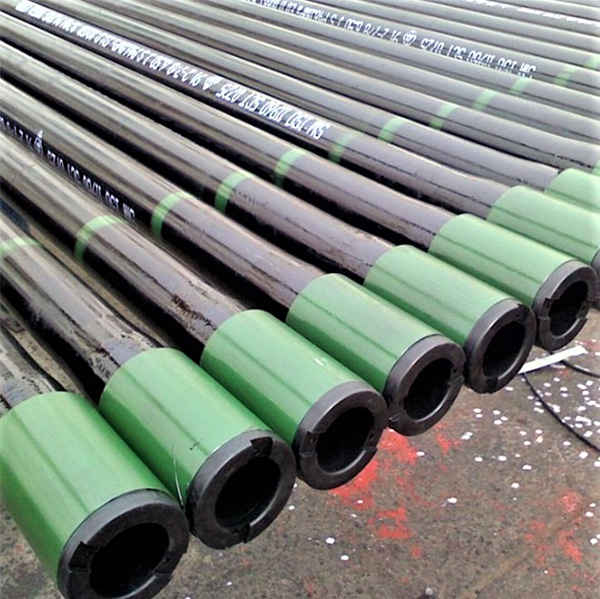
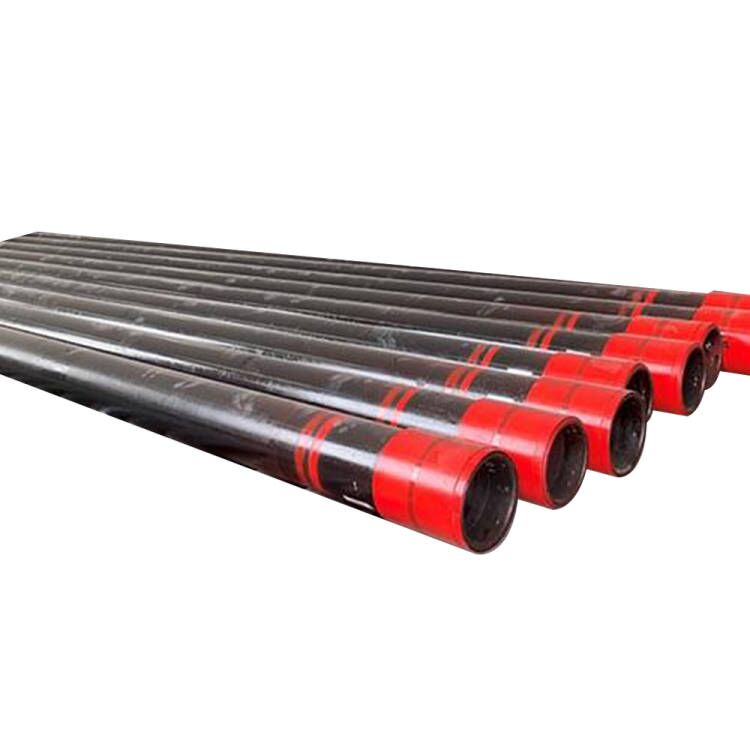
In the oil and gas industry, tubing plays a crucial role in the extraction, transportation, and processing of oil and natural gas. Understanding the tubing size and grade chart is essential for ensuring the efficient and safe operation of oil and gas wells. Tubing size refers to the outer Diameter, Wall thickness, and Length of the Tubing, while tubing grade indicates the Material composition, strength, and performance characteristics of the tubing. This article provides an in-depth exploration of tubing size and grade chart, shedding light on their significance in the oil and gas industry.
Tubing Size Chart:
Tubing size is a critical factor in the design and operation of oil and gas wells. The size of the tubing is specified by its outer diameter (OD) and wall thickness. Common tubing sizes range from 1.050 inches to 4.500 inches in diameter, with various wall thickness options. The selection of tubing size depends on the well depth, production requirements, reservoir conditions, and the type of completion equipment used. Larger tubing diameters are often cHosen for wells with high production rates, while smaller diameters may be suitable for shallower wells or wells with lower flow rates. Additionally, the wall thickness of the tubing is selected based on the pressure and corrosive environment within the well. Thicker walls are utilized to withstand higher pressures and corrosive fluids, while thinner walls are used for lower pressure applications.
Tubing Grade Chart:
Tubing grade plays a pivotal role in determining the mechanical properties and Corrosion resistance of the tubing. Common tubing grades include J55, K55, N80, l80, P110, and Q125, each with unique material composition and performance characteristics. The selection of tubing grade is influenced by factors such as well depth, reservoir conditions, production environment, and regulatory requirements. For instance, high-strength tubing grades like P110 and Q125 are often employed in deep and high-pressure wells to withstand the extreme forces and harsh operating conditions. Conversely, moderate-strength grades such as J55 and K55 may be suitable for shallower wells with relatively lower pressure and temperature conditions.
Significance of Tubing Size and Grade Chart:
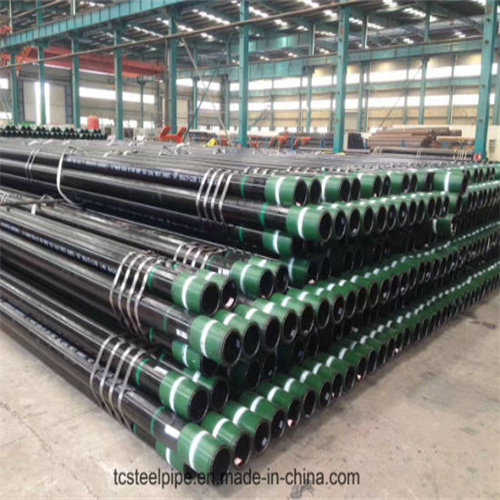
The proper selection of tubing size and grade is crucial for optimizing well performance, ensuring operational safety, and minimizing Maintenance costs. Inadequate tubing size or grade can lead to production inefficiencies, tubing failures, and safety hazards. Therefore, engineers and operators must carefully evaluate the well parameters, production requirements, and environmental factors to make informed decisions regarding tubing size and grade selection. Furthermore, adherence to industry standards and best practices is essential to guarantee the integrity and reliability of the tubing used in oil and gas operations.
In conclusion, the tubing size and grade chart are integral components of the oil and gas
– In this blog topic, we will delve into the importance of the tubing size and grade chart in the oil and gas industry. We will explain what the chart represents and how it is used in various applications
Tubing Size And Grade Chart
In this blog topic, we will delve into the importance of the tubing size and grade chart in the oil and gas industry. We will explain what the chart represents and how it is used in various applications.
The tubing size and grade chart is a crucial tool in the oil and gas industry. It provides valuable information about the different sizes and grades of tubing used in various applications. Understanding this chart is essential for engineers, technicians, and professionals working in the industry.
Carbon Steel Square Pipe
Firstly, let’s explore what the tubing size and grade chart represents. The chart encompasses a range of information, including the outer diameter (OD), wall thickness, and Weight per foot of the tubing. These parameters are critical in determining the suitability of the tubing for specific applications. By referring to the chart, professionals can easily identify the appropriate size and grade of tubing required for a particular project.
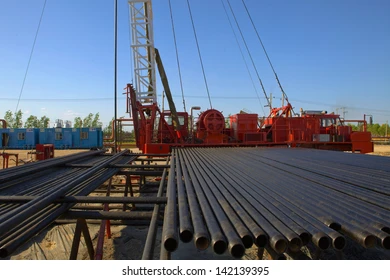
Now, let’s discuss the importance of the tubing size and grade chart in different applications. In the oil and gas industry, tubing is used in various operations, such as drilling, completion, and production. Each application requires a specific size and grade of tubing to ensure optimal performance and safety.
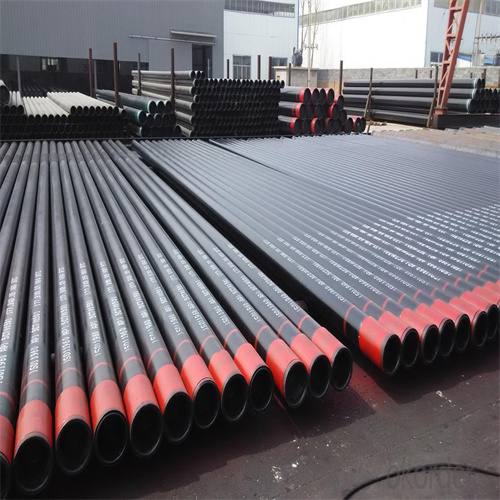
Casing Pipe,casing well pipe, casing supreme pipe, casing vs carrier pipe, casing for ac pipe, casing Steel Pipe, casing pipe size, casing pvc pipe Price, casing pipe, casing pipe Suppliers in china, casing capping pipe, casing drill pipe,carrier pipe,casing pipe size,bushing flange,bushing Sleeve,bushing,bushing arm,bushing bearing,bushing reducer,bushing tool,bushing pvc,bushing meaningFor drilling operations, the tubing serves as a conduit for drilling fluids and enables the extraction of oil and gas from the reservoir. The chart helps in selecting the appropriate tubing size and grade that can withstand the high pressures and temperatures encountered during drilling.
During completion operations, tubing is used to connect the wellbore to the surface equipment. The chart aids in choosing the right tubing size and grade that can withstand the corrosive elements present in the wellbore fluids. It also ensures the tubing can withstand the mechanical stresses imposed during installation and production.
In production operations, tubing is used to transport the extracted oil and gas from the well to the surface. The chart assists in selecting the tubing size and grade that can handle the flow rates, pressures, and temperatures associated with production. It ensures the tubing can withstand the harsh conditions and maintain the integrity of the well.
Transitional Phrases: In addition, Furthermore, Moreover, Additionally, Furthermore, Besides, Not only…, but also…
In addition to its significance in drilling, completion, and production operations, the tubing size and grade chart also plays a vital role in maintenance and Repair activities. When repairing or replacing tubing, the chart helps in identifying the appropriate size and grade that matches the existing system. This ensures compatibility and prevents any potential issues that may arise from mismatched tubing.
Furthermore, the tubing size and grade chart is essential in the design and Construction of new oil and gas wells. It provides valuable guidance for engineers and designers in