Comparative Cost Analysis of T95 vs. V150 Oil Casings: A Detailed Breakdown
In the realm of oil exploration and production, the choice between different types of casing Materials can significantly impact operational costs and efficiency. Two commonly used casings, T95 and V150, are subject to rigorous scrutiny due to their distinct properties and associated costs.
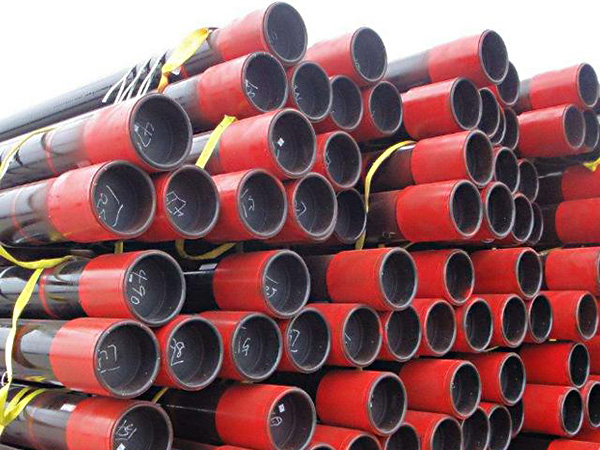
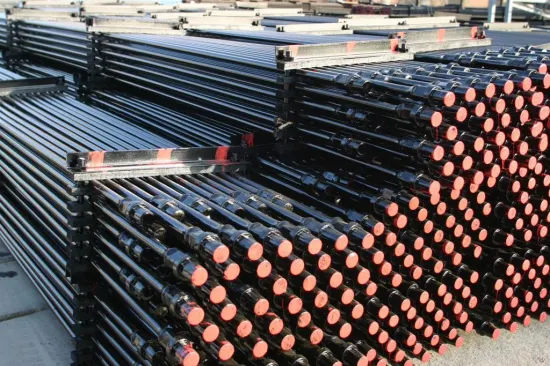
T95 casing, known for its robustness and widespread use in Oil Wells, is manufactured to withstand high pressures and harsh environmental conditions. This makes it a preferred choice in many drilling operations where durability and reliability are paramount. The cost of T95 casing reflects its quality and performance characteristics, positioning it as a stalwart in the industry.
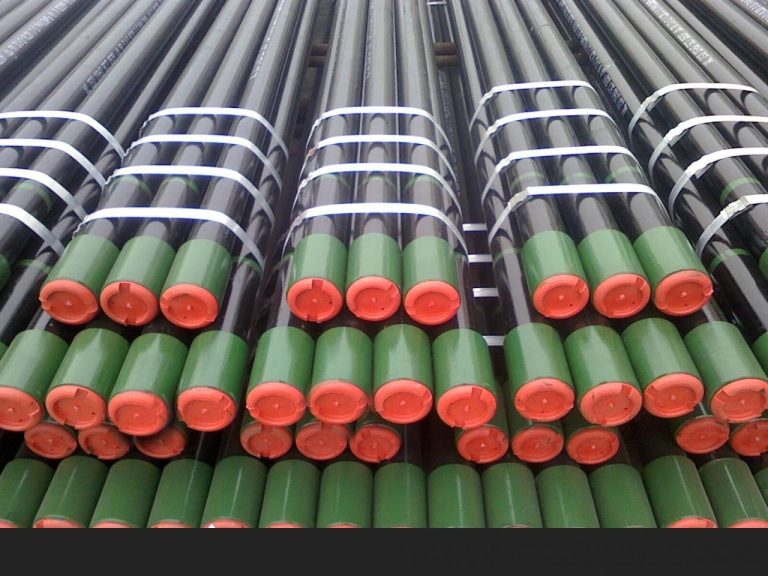
On the other hand, V150 casing represents a newer generation of materials engineered to enhance performance metrics such as Corrosion resistance and structural integrity. Despite these advancements, V150 often commands a higher Price tag compared to its T95 counterpart due to the incorporation of specialized alloys and manufacturing processes that elevate its operational capabilities.
Understanding the deviation in cost between T95 and V150 oil casings requires a nuanced analysis of several factors. Firstly, the raw materials used in their production significantly influence pricing. T95 typically utilizes conventional Steel alloys that have been proven effective over decades of use, offering a balance between cost-effectiveness and performance. In contrast, V150 integrates advanced alloys or composite materials that impart superior resistance to corrosion and fatigue, contributing to its higher cost profile.
Moreover, manufacturing processes play a pivotal role in cost differentiation. T95 casings, often produced in large volumes using established methods, benefit from economies of scale that help maintain competitive pricing. Conversely, the production of V150 casings involves specialized techniques such as precision casting or advanced welding technologies, which contribute to increased manufacturing costs passed on to the consumer.
Furthermore, logistical considerations such as transportation and installation also influence overall expenditure. The Weight and dimensions of casings affect shipping costs, with V150’s potentially heavier weight impacting transportation expenses compared to lighter T95 alternatives. Installation complexities, particularly in challenging geological formations or offshore environments, may require specialized equipment or procedures that add to operational costs, further distinguishing the financial outlay between T95 and V150 casings.
In conclusion, while both T95 and V150 casings serve essential roles in oil exploration and production, their respective costs reflect distinct material compositions, manufacturing intricacies, and operational implications. The choice between these casings hinges not only on upfront procurement expenses but also on long-term operational efficiencies and environmental considerations. As technology advances and industry demands evolve, ongoing research and development contiNue to refine casing materials, potentially resh APIng the comparative cost dynamics between T95 and V150 in the future.
Understanding these nuances empowers stakeholders to make informed decisions that align with operational objectives, economic considerations, and environmental stewardship in the dynamic landscape of oil exploration and production.
Factors Influencing Price Variations Between T95 and V150 Oil Casings
In the realm of oil exploration and production, understanding the factors influencing price variations between T95 and V150 oil casings is crucial for industry professionals and investors alike. Oil casings serve as critical components in drilling operations, providing structural integrity and safeguarding wellbores against geological pressures and environmental factors. The deviation in cost between T95 and V150 oil casings can be attributed to several key factors, each playing a significant role in determining their respective market prices.
Welded Steel Pipe
Firstly, the material composition of T95 and V150 oil casings significantly influences their costs. T95 casings are typically made from high-strength Carbon steel alloys, engineered to withstand high-pressure environments encountered in deep drilling operations. The specific composition and metallurgical properties of T95 steel contribute to its durability and performance under extreme conditions, thereby commanding a premium price in the market. In contrast, V150 casings are often manufactured from more specialized alloys or composites that offer enhanced corrosion resistance or thermal conductivity, tailored for specific operational requirements. The cost of sourcing and processing these advanced materials reflects in the higher price point of V150 casings compared to T95.
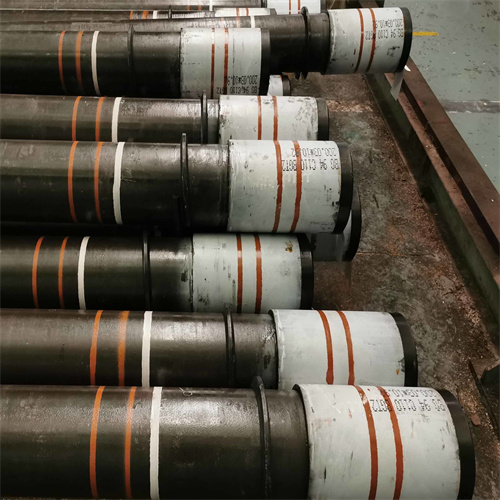
Moreover, manufacturing processes and technological advancements play a pivotal role in cost deviation between the two types of oil casings. T95 casings are typically produced using traditional manufacturing techniques such as Seamless Pipe forming or welded pipe manufacturing, which have been refined over decades to optimize cost-efficiency and quality control. Conversely, V150 casings may involve more intricate manufacturing processes such as advanced welding techniques, proprietary alloy formulations, or precision machining to meet stringent performance standards. These technological enhancements contribute to higher production costs for V150 casings, thereby influencing their market price relative to T95.
Furthermore, market demand and supply dynamics exert significant influence on the pricing of T95 and V150 oil casings. As global energy demand fluctuates and new oilfield discoveries emerge, the demand for robust casing materials capable of withstanding deeper drilling depths and harsher operating conditions increases. Manufacturers and Suppliers adjust their pricing strategies in response to these market dynamics, with fluctuations in raw material costs, geopolitical factors, and economic conditions further impacting price differentials between T95 and V150 casings.
In addition to material composition, manufacturing processes, and market dynamics, regulatory compliance and industry standards also contribute to cost deviations between T95 and V150 oil casings. Both types of casings must adhere to stringent industry regulations and performance specifications set forth by regulatory bodies and industry associations. Compliance with these standards necessitates rigorous quality control measures, testing protocols, and certification processes, all of which incur additional costs that may vary between T95 and V150 casings depending on their specific design and intended application.
In conclusion, the deviation in cost between T95 and V150 oil casings is multifaceted and influenced by a combination of material composition, manufacturing processes, market demand and supply dynamics, and regulatory compliance. Industry professionals and stakeholders must consider these factors when assessing the economic viability and operational efficiency of utilizing T95 or V150 casings in oil drilling and production activities. By understanding these underlying factors, stakeholders can make informed decisions to optimize cost-effectiveness and mitigate operational risks in the competitive landscape of the Oil and Gas industry.