Understanding the Dimensions and Weights of Carbon Steel Pipes: A Comprehensive Guide
Carbon Steel Pipes are an integral part of various industries, including Construction, Oil and Gas, and manufacturing, due to their strength, durability, and versatility. Understanding the dimensions and weights of carbon steel Pipes is crucial for professionals in these fields to ensure the correct selection and application of these Materials. This article provides a comprehensive guide to the dimensions and weights of carbon steel pipes.
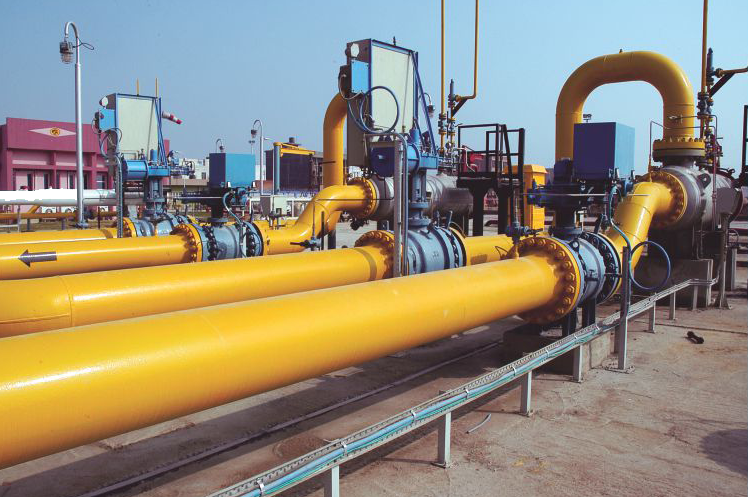
Factory Price Water System Plastic HDPE Pipes Oil TubeThe dimensions of carbon steel pipes are typically expressed in terms of their outer Diameter (OD), Wall thickness, and Length. The outer diameter is the distance from one outer edge of the pipe to the opposite outer edge, passing through the center. It is usually measured in inches or millimeters. The wall thickness, on the other hand, refers to the thickness of the pipe wall and is crucial in determining the pipe’s strength and capacity to withstand pressure. It is also measured in inches or millimeters. The length of the pipe is usually specified in feet or meters.
Casing Pipe,casing well pipe, casing supreme pipe, casing vs carrier pipe, casing for ac pipe, casing steel pipe, casing pipe size, casing pvc pipe price, casing pipe, casing pipe Suppliers in china, casing capping pipe, casing drill pipe,carrier pipe,casing pipe size,bushing flange,bushing Sleeve,bushing,bushing arm,bushing bearing,bushing reducer,bushing tool,bushing pvc,bushing meaning
The weight of a carbon steel pipe is calculated based on its dimensions. Specifically, it is determined by multiplying the pipe’s outer diameter (minus twice the wall thickness) by the wall thickness, and then by the length of the pipe. This calculation gives the volume of the steel in the pipe, which is then multiplied by the density of carbon steel (approximately 7.85 grams per cubic centimeter) to obtain the weight of the pipe. The weight is typically expressed in pounds or kilograms.
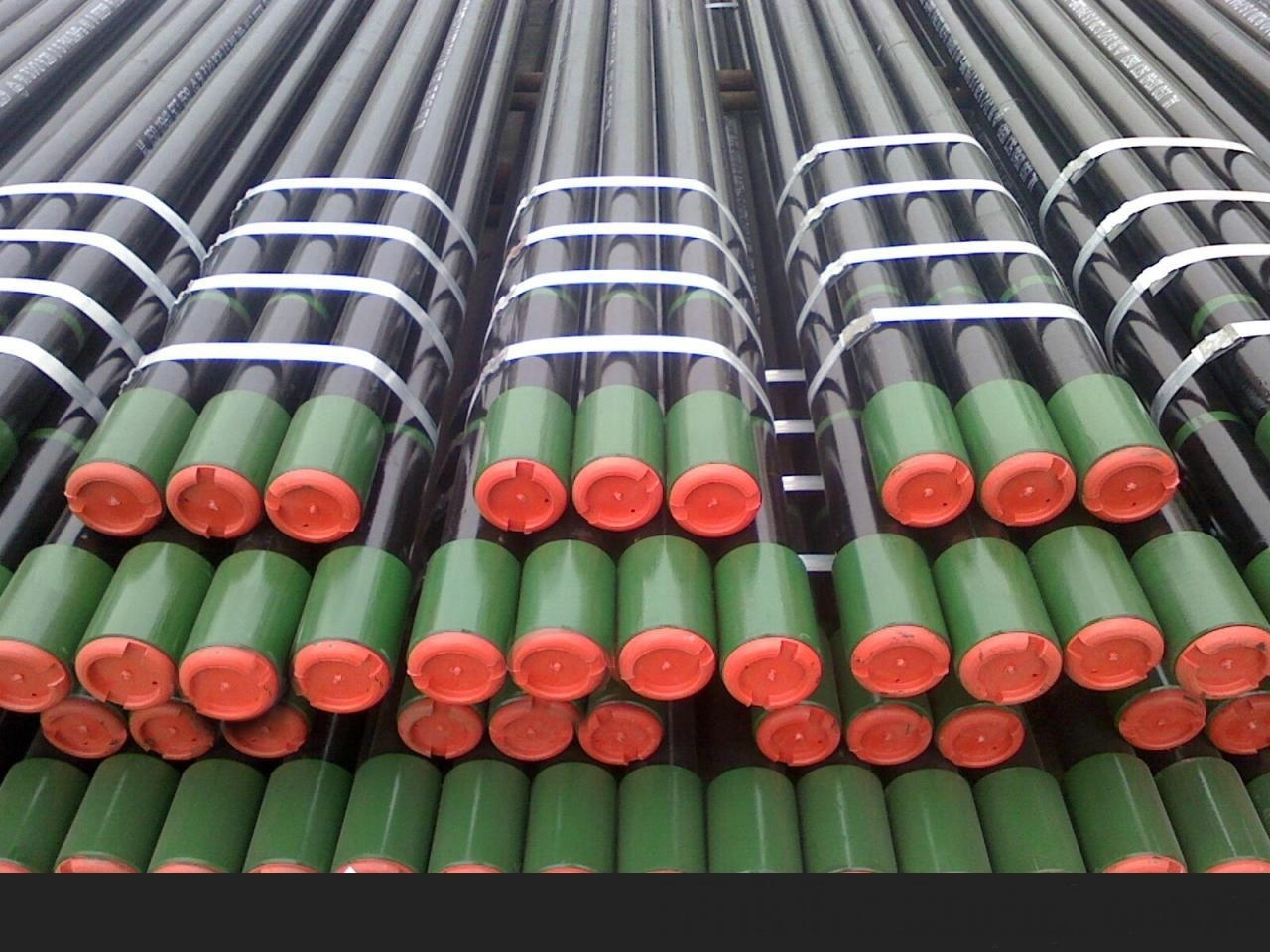
It’s important to note that the dimensions and weights of carbon steel pipes can vary significantly depending on their specific type and grade. For instance, Seamless Carbon Steel Pipes, which are made by heating a solid billet and then piercing it to create a hollow tube, tend to have more precise dimensions and lighter weights than welded carbon steel pipes, which are made by bending and welding flat steel strips. Moreover, higher-grade carbon steel pipes, which contain more carbon and are therefore harder and stronger, tend to be heavier than lower-grade pipes.
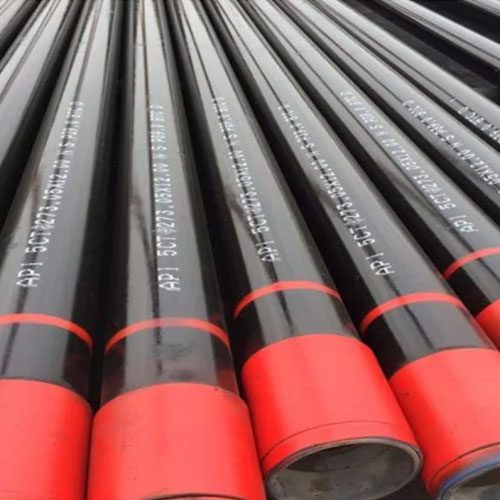
The dimensions and weights of carbon steel pipes are standardized by various organizations, including the American Society for Testing and Materials (ASTM) and the American Petroleum Institute ( API). These organizations provide detailed specifications for different types and grades of carbon steel pipes, ensuring consistency and quality across the industry. Professionals in the field should always refer to these specifications when selecting and using carbon steel pipes.
In conclusion, understanding the dimensions and weights of carbon steel pipes is essential for their proper selection and application. This understanding requires knowledge of the pipes’ outer diameter, wall thickness, and length, as well as the calculation of their weight based on these dimensions. It also requires awareness of the variations in dimensions and weights among different types and grades of carbon steel pipes, and the standardization of these dimensions and weights by organizations like ASTM and API. With this knowledge, professionals can ensure the optimal use of carbon steel pipes in their respective fields.