Economic Factors Influencing Oil Demand and Supply
The Oil Casing market Price is subject to fluctuations influenced by a myriad of economic factors that impact both the demand and supply dynamics of the oil industry. Understanding the origins of these fluctuations is crucial for stakeholders in the oil market to make informed decisions and navigate the volatile landscape effectively.
One of the primary economic factors that influence the oil casing market price is the global demand for oil. The demand for oil is intricately linked to various sectors of the economy, including transportation, manufacturing, and energy production. Economic growth in emerging markets, such as china and India, has led to an increase in oil consumption, driving up the demand for oil and, consequently, the price of oil casings.
On the supply side, geopolitical factors play a significant role in sh APIng the oil market landscape. Political instability in oil-producing regions, such as the Middle East, can disrupt oil production and supply chains, leading to price spikes in the oil casing market. Additionally, decisions made by major oil-producing countries, such as OPEC members, regarding production levels and export policies can have a direct impact on the supply of oil and, by extension, the price of oil casings.
Market speculation and investor sentiment also contribute to price fluctuations in the oil casing market. Traders and investors closely monitor geopolitical events, economic indicators, and supply-demand dynamics to make informed decisions about buying and selling oil-related assets. Speculative trading can amplify price movements in the oil market, leading to increased volatility in the oil casing market price.
Furthermore, currency exchange rates play a crucial role in determining the price of oil casings. Since oil is traded in US dollars, fluctuations in currency exchange rates can impact the purchasing power of oil-importing countries. A stronger US dollar can make oil more expensive for countries with weaker currencies, reducing demand and putting downward pressure on oil prices.
Environmental regulations and policies also influence the oil casing market price. As governments around the world implement stricter environmental standards and promote renewable energy sources, the demand for oil may decrease, leading to lower prices for oil casings. Conversely, geopolitical events or policy changes that favor fossil fuel production can drive up the price of oil casings.
bushing Best chinese MakerIn conclusion, the oil casing market price is subject to fluctuations driven by a complex interplay of economic factors, including global demand and supply dynamics, geopolitical events, market speculation, currency exchange rates, and environmental policies. Stakeholders in the oil industry must closely monitor these factors and adapt their strategies to navigate the ever-changing landscape of the oil market effectively.
Geopolitical Events and Their Impact on Oil Prices
The global oil market is inherently sensitive to a myriad of factors, but none perhaps as influential and volatile as geopolitical events. Geopolitical events, ranging from diplomatic tensions to armed conflicts, have a profound impact on oil prices, thereby significantly influencing the oil casing market. Understanding the complex interplay between these events and market dynamics is crucial for stakeholders in the energy sector and beyond.
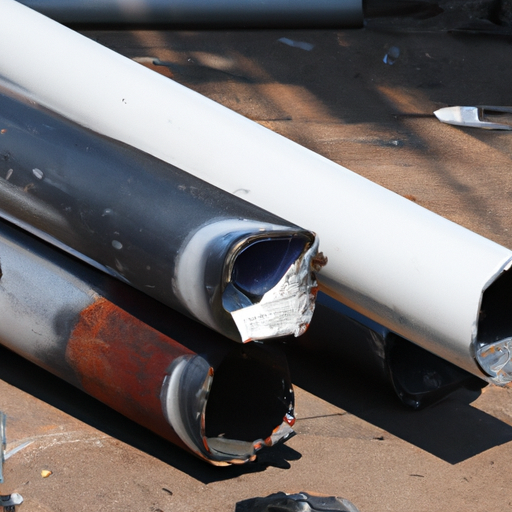
Geopolitical events can create sudden disruptions in oil supply chains, leading to immediate fluctuations in oil prices. For instance, tensions in key oil-producing regions such as the Middle East can threaten the stability of oil shipments, causing anxiety in global markets. The mere anticipation of such disruptions can trigger speculative buying or selling of oil futures, further exacerbating price volatility. This volatility directly affects the cost of oil extraction and production, thus influencing the pricing of related products like oil casings.
Moreover, geopolitical events can also impact the broader economic landscape, affecting both supply and demand for oil. Economic sanctions imposed on oil-producing countries, for instance, can restrict their ability to export oil, thereby reducing global supply. Conversely, economic growth or contraction in major consumer markets can alter demand dynamics. These fluctuations in supply and demand have ripple effects across the entire oil ecosystem, including the market for oil casings.
Political decisions made by major oil-producing countries and organizations also play a pivotal role in shaping oil prices. The policies of organizations like OPEC (Organization of the Petroleum Exporting Countries) can directly impact production levels and export quotas, thereby influencing global oil prices. Similarly, decisions by major oil-consuming nations regarding strategic reserves or energy policies can create significant shifts in market sentiment and prices.
The interconnected nature of the global economy means that geopolitical events can have far-reaching consequences beyond immediate price fluctuations. They can affect investor confidence, currency exchange rates, and overall market stability. These factors collectively contribute to the volatility observed in the oil casing market, as Companies adjust their strategies and investments in response to changing economic and geopolitical conditions.
Furthermore, geopolitical tensions can introduce uncertainty into long-term planning and investment in the Oil and Gas sector. Companies involved in oil casing manufacturing and supply must navigate these uncertainties carefully, anticipating potential disruptions and adjusting production and pricing strategies accordingly. This adaptability is crucial for maintaining competitiveness in a market where geopolitical events can quickly alter the playing field.
In conclusion, the fluctuation of oil casing market prices is intricately linked to geopolitical events and their impact on global oil prices. These events create a volatile environment where supply and demand dynamics are constantly in flux, influencing the cost structures and strategic decisions of businesses throughout the oil sector. By closely monitoring geopolitical developments and understanding their implications, stakeholders can better prepare for and mitigate the effects of market volatility. Ultimately, a nuanced understanding of these dynamics is essential for navigating the complexities of the oil casing market in an increasingly interconnected world.
Technological Advances in Oil Extraction processes
The oil casing market is intricately tied to the dynamics of oil extraction processes, which have seen significant technological advancements over the past decades. These advancements play a pivotal role in shaping the fluctuation of prices within the oil casing market, influencing supply chains, production costs, and overall industry profitability.
Technological innovations in oil extraction have revolutionized the efficiency and effectiveness of drilling operations worldwide. One of the key developments is the introduction of advanced drilling techniques such as horizontal drilling and hydraulic fracturing (fracking). Horizontal drilling allows for the extraction of oil from previously inaccessible reservoirs by drilling horizontally along the reservoir rock layers. This technique not only increases the productivity of wells but also necessitates specific types of casing that can withstand the complex pressures and conditions encountered at greater depths and angles.
Hydraulic fracturing, on the other hand, involves the injection of pressurized fluids into the reservoir rock to create fractures and release trapped oil or gas. This method has significantly boosted oil production but requires robust casing Materials that can endure the intense stresses exerted during the fracturing process.
The demand for specialized casings capable of withstanding these rigorous conditions has thus surged in tandem with the adoption of these advanced drilling technologies. This increased demand often leads to fluctuations in the market price of oil casings, as supply struggles to keep pace with rapidly evolving technological requirements.
Moreover, technological advancements extend beyond drilling techniques to include innovations in casing materials and manufacturing processes. Traditional casings made from Steel alloys have given way to high-performance materials such as corrosion-resistant alloys (CRAs) and composite materials. CRAs offer superior resistance to corrosion in harsh environments, making them ideal for offshore and deep-sea drilling operations where exposure to seawater and corrosive substances is common.
Composite materials, on the other hand, provide a lightWeight alternative to traditional steel casings while maintaining comparable strength and durability. These materials reduce transportation costs and improve installation efficiency, further influencing the economics of the oil casing market.
The adoption of digital technologies has also revolutionized the monitoring and Maintenance of Oil Wells, contributing to cost efficiencies and operational reliability. Sensors embedded in casings can provide real-time data on well conditions, allowing operators to optimize production and mitigate risks of equipment failure. This data-driven approach enhances the longevity of casings and reduces the frequency of costly replacements, thereby stabilizing prices within the oil casing market over the long term.
Furthermore, geopolitical factors and global economic trends exert significant influence on the oil casing market. Fluctuations in oil prices, regulatory changes, and shifts in global energy demand all contribute to volatility within the market. Technological advancements that enhance extraction efficiency and reduce operational costs can mitigate some of these external pressures but do not entirely shield the industry from broader economic forces.
In conclusion, the fluctuation of prices within the oil casing market is intricately linked to technological advances in oil extraction processes. Innovations such as horizontal drilling, hydraulic fracturing, advanced materials, and digital technologies have reshaped industry practices, driving demand for specialized casings and influencing market dynamics. While these advancements improve operational efficiencies and reduce production costs, they also introduce new challenges and uncertainties that impact the pricing and availability of oil casings on a global scale. As the industry contiNues to evolve, ongoing technological innovation will play a crucial role in shaping the future trajectory of the oil casing market and its resilience to external economic pressures.