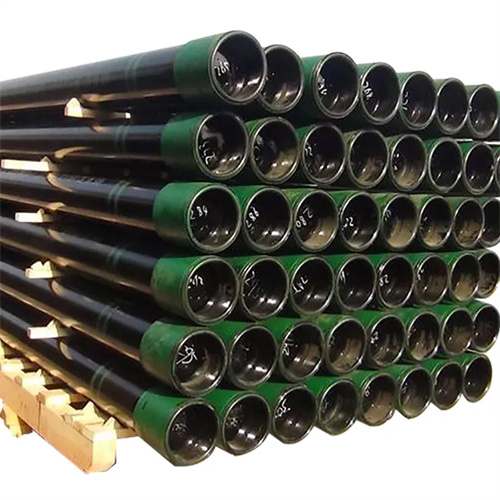
Importance of Precious Materials in Oil Casing
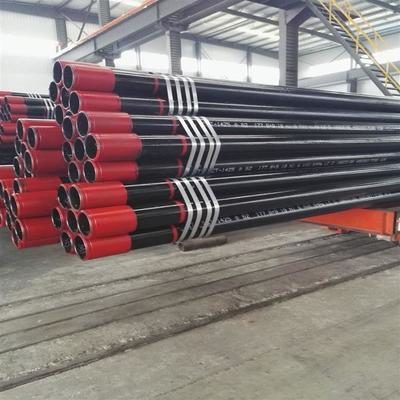
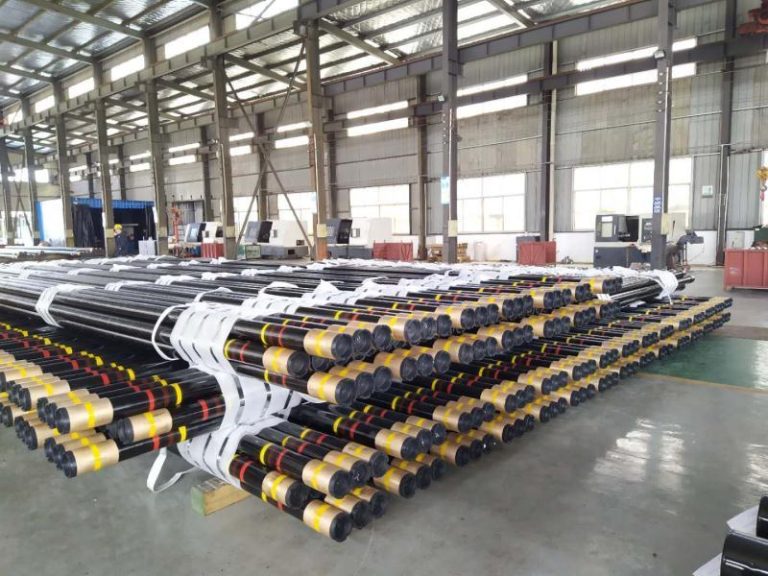
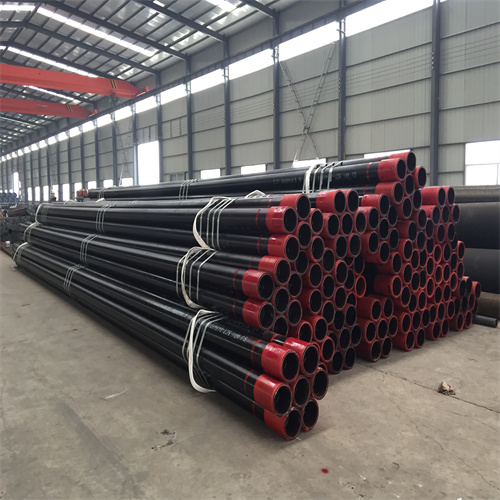
The Oil and Gas industry relies heavily on the integrity and durability of its infrastructure, particularly in the context of oil casing. Oil casing, which refers to the Steel Pipe that is inserted into a drilled well to provide structural support and prevent the collapse of the wellbore, plays a critical role in ensuring the safe and efficient extraction of hydrocarbons. The importance of using precious materials in oil casing cannot be overstated, as these materials significantly enhance the performance and longevity of the casing, ultimately contributing to the overall success of drilling operations.
One of the primary reasons for incorporating precious materials into oil casing is their exceptional resistance to corrosion. In many drilling environments, the presence of aggressive chemicals, high temperatures, and varying pressures can lead to r APId degradation of standard materials. Precious metals, such as titanium and certain alloys, exhibit remarkable resistance to these corrosive elements, thereby extending the lifespan of the casing. This durability not only reduces the frequency of Repairs and replacements but also minimizes the risk of catastrophic failures that could result in environmental disasters or loss of valuable resources.
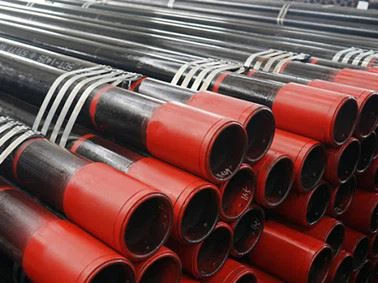
Moreover, the mechanical properties of precious materials enhance the structural integrity of oil casing. These materials often possess superior tensile strength and toughness compared to conventional steel. As drilling operations progress deeper into the earth, the stresses and pressures encountered increase significantly. Utilizing precious materials in the Construction of oil casing allows for the design of Pipes that can withstand these extreme conditions without compromising safety. This capability is particularly crucial in deepwater drilling and unconventional resource extraction, where the challenges are magnified.
In addition to their mechanical and chemical advantages, precious materials also contribute to the efficiency of drilling operations. The lightWeight nature of certain alloys can lead to reduced overall weight of the casing, which in turn facilitates easier handling and installation. This reduction in weight can also lead to lower energy consumption during the drilling process, as less force is required to maneuver the casing into place. Consequently, the use of precious materials not only enhances operational efficiency but also aligns with the industry’s growing emphasis on sustainability and reducing the carbon footprint of drilling activities.
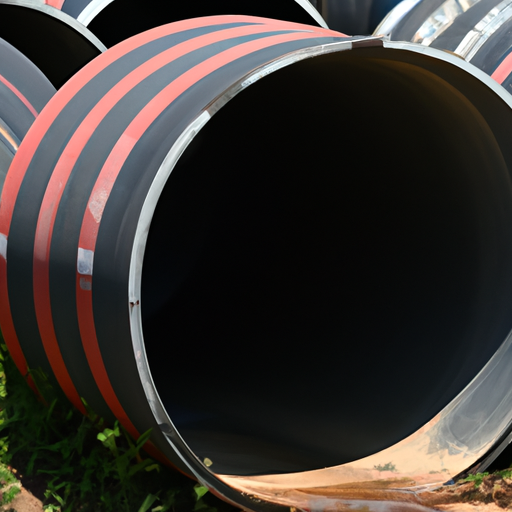
oilfield drill pipeFurthermore, the integration of precious materials into oil casing can enhance the overall safety of drilling operations. The risk of well blowouts, which can have devastating consequences, is significantly mitigated when high-quality materials are employed. By ensuring that the casing can withstand the pressures and conditions encountered during drilling, operators can maintain better control over the well and reduce the likelihood of accidents. This focus on safety is paramount, as the oil and gas industry faces increasing scrutiny from regulatory bodies and the public regarding environmental protection and worker safety.
In conclusion, the importance of precious materials in oil casing is multifaceted, encompassing aspects of durability, mechanical strength, operational efficiency, and safety. As the industry contiNues to evolve and face new challenges, the adoption of advanced materials will be essential in ensuring the reliability and effectiveness of oil extraction processes. By investing in high-quality casing solutions, operators can not only protect their investments but also contribute to a more sustainable and responsible approach to resource extraction. The ongoing research and development in this area will undoubtedly yield further innovations, solidifying the role of precious materials as a cornerstone of modern oil and gas operations.
Methods for Testing and Analyzing Precious Materials in Oil Casing
The exploration and extraction of oil have long been critical to the global economy, necessitating the use of advanced materials in the construction of oil casing. As the industry evolves, the demand for high-performance materials that can withstand extreme conditions has led to an increased focus on precious materials. Testing and analyzing these materials is essential to ensure their reliability and effectiveness in oil casing applications. Various methods have been developed to assess the properties and performance of these materials, each contributing valuable insights into their suitability for use in the harsh environments encountered in oil extraction.
One of the primary methods for testing precious materials in oil casing is mechanical testing, which evaluates the material’s strength, ductility, and toughness. Techniques such as tensile testing, compression testing, and impact testing are commonly employed to determine how materials behave under different stress conditions. By applying controlled forces to samples, engineers can gather data on yield strength, ultimate tensile strength, and elongation, which are critical for predicting how materials will perform in real-world applications. This mechanical characterization is vital, as it helps identify materials that can endure the high pressures and temperatures found in Oil Wells.
In addition to mechanical testing, metallurgical analysis plays a crucial role in understanding the microstructural properties of precious materials. Techniques such as scanning electron microscopy (SEM) and X-ray diffraction (XRD) allow researchers to examine the material’s microstructure and phase composition. These analyses provide insights into grain size, phase distribution, and the presence of any defects or inclusions that could compromise the material’s integrity. By correlating microstructural features with mechanical properties, engineers can make informed decisions about material selection and processing methods, ultimately enhancing the performance of oil casing.
Furthermore, corrosion testing is an essential aspect of evaluating precious materials used in oil casing. Given the aggressive environments encountered in oil extraction, materials must resist corrosion to ensure longevity and reliability. Various methods, including salt spray tests and electrochemical impedance spectroscopy, are employed to assess the Corrosion resistance of materials. These tests simulate the conditions that materials will face in the field, allowing researchers to evaluate their performance over time. Understanding how materials react to corrosive agents is critical for preventing failures that could lead to costly downtime and environmental hazards.
Another important method for analyzing precious materials is Non-destructive testing (NDT). Techniques such as ultrasonic testing, radiographic testing, and magnetic particle testing enable engineers to assess the integrity of materials without causing damage. NDT is particularly valuable in the oil industry, where the ability to inspect materials in situ can prevent catastrophic failures. By identifying flaws or inconsistencies in the material before they lead to significant issues, NDT contributes to the overall safety and reliability of oil casing.
In conclusion, the investigation of precious materials for oil casing involves a multifaceted approach that combines mechanical testing, metallurgical analysis, corrosion testing, and non-destructive testing. Each method provides unique insights into the properties and performance of materials, ensuring that only the most suitable candidates are selected for use in the demanding environments of oil extraction. As the industry continues to evolve, the importance of these testing and analysis methods will only grow, driving innovation and enhancing the safety and efficiency of oil production.