Sustainability Initiatives in china‘s Oil Industry
China’s oil industry has been a key player in the global energy landscape, and as the world shifts towards sustainability, the industry is also adapting to new trends and innovations. In recent years, China has been at the forefront of oil line Material innovation, driving sustainability initiatives that are resh APIng the industry. These initiatives not only aim to improve the efficiency and safety of Oil Transportation but also to reduce the environmental impact of oil production and distribution.
One of the top trends in oil line material innovation in China is the development of advanced composite materials. These materials offer superior strength and Corrosion resistance compared to traditional materials like Steel, making them ideal for use in oil Pipelines. By incorporating these advanced composites into their infrastructure, chinese oil Companies are able to enhance the durability and longevity of their pipelines while reducing Maintenance costs and downtime.
Another key trend is the adoption of smart technologies in oil pipelines. By integrating sensors and monitoring systems into their pipelines, companies can detect leaks and other issues in real-time, allowing for prompt response and mitigation of potential environmental hazards. These smart technologies not only improve the safety and reliability of oil transportation but also help companies comply with stringent environmental regulations.
Furthermore, China is investing heavily in research and development to explore alternative materials for oil pipelines. From bio-based polymers to recyclable plastics, researchers are exploring a wide range of materials that offer both performance benefits and environmental advantages. By diversifying the materials used in oil pipelines, China is not only reducing its reliance on traditional materials but also paving the way for a more sustainable future for the oil industry.
In addition to material innovation, China is also focusing on improving the energy efficiency of its oil transportation infrastructure. By optimizing pipeline design and operation, companies can reduce energy consumption and minimize greenhouse Gas emissions associated with oil transportation. These efforts align with China’s broader goals of reducing carbon emissions and transitioning towards a more sustainable energy system.
Lastly, China is actively promoting collaboration and knowledge sharing in the field of oil line material innovation. By partnering with international organizations and participating in industry conferences and workshops, Chinese companies are able to stay abreast of the latest trends and technologies in oil pipeline materials. This collaborative approach not only accelerates innovation but also fosters a culture of sustainability and continuous improvement within the industry.
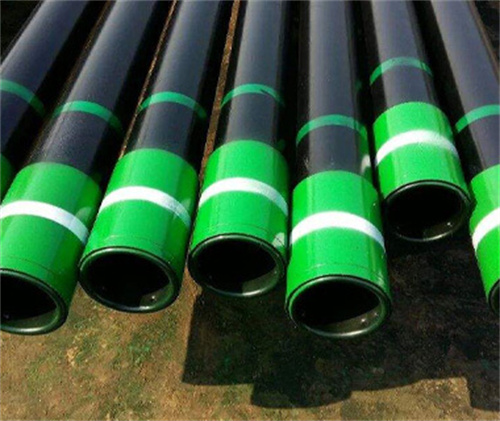
api 5ct J55 Tubing Best Chinese CompaniesIn conclusion, China’s oil industry is undergoing a significant transformation driven by sustainability initiatives and material innovation. By embracing advanced materials, smart technologies, and energy-efficient practices, Chinese companies are not only improving the efficiency and safety of oil transportation but also reducing the environmental impact of their operations. These trends signal a promising future for the oil industry in China and set a positive example for sustainable practices worldwide.
Advancements in Nanotechnology for Oil Pipeline Materials
China has been at the forefront of innovation in various industries, including the Oil and Gas sector. In recent years, advancements in nanotechnology have revolutionized the materials used in oil pipelines, leading to more efficient and durable infrastructure. These innovations have not only improved the performance of oil pipelines but also enhanced their safety and environmental sustainability.
One of the key trends in oil pipeline material innovation in China is the use of nanocomposites. By incorporating nanoparticles into traditional pipeline materials such as steel, researchers have been able to enhance the mechanical properties of these materials significantly. Nanocomposites offer improved strength, corrosion resistance, and thermal stability, making them ideal for use in demanding oil and gas applications.
Another important trend is the development of self-healing materials for oil pipelines. Nanotechnology has enabled the creation of materials that can autonomously Repair small cracks and defects, preventing leaks and extending the lifespan of the pipeline. These self-healing materials not only reduce maintenance costs but also enhance the overall reliability of the pipeline infrastructure.
Furthermore, nanocoatings have emerged as a promising solution for protecting oil pipelines from corrosion and fouling. These thin films, composed of nanoscale particles, form a protective barrier on the pipeline surface, preventing contact with corrosive substances and reducing friction. Nanocoatings not only improve the longevity of the pipeline but also contribute to the efficient flow of oil through the system.
In addition to enhancing the mechanical and protective properties of oil pipeline materials, nanotechnology has also enabled the development of smart materials that can actively respond to changes in their environment. Smart materials embedded with nanosensors can detect stress, temperature variations, and other factors that may affect the integrity of the pipeline, allowing for real-time monitoring and maintenance.
Lastly, the integration of nanotechnology with renewable materials such as graphene has opened up new possibilities for sustainable oil pipeline Construction. Graphene, a two-dimensional carbon allotrope, offers exceptional strength and conductivity, making it an attractive material for use in oil pipelines. By combining graphene with nanotechnology, researchers in China are exploring innovative ways to create eco-friendly and high-performance pipeline materials.
In conclusion, the advancements in nanotechnology for oil pipeline materials in China represent a significant step forward in the quest for safer, more efficient, and environmentally friendly energy infrastructure. By leveraging the unique properties of nanomaterials, researchers and engineers are paving the way for a new era of innovation in the oil and gas industry, with the potential to transform the way we transport and utilize energy resources.
Impact of Artificial Intelligence on Oil Pipeline Maintenance
China has been at the forefront of innovation in various industries, including oil and gas. In recent years, the country has witnessed significant advancements in oil pipeline material technologies. These innovations have not only improved the efficiency and safety of oil transportation but have also had a profound impact on the maintenance of oil pipelines.
One of the key trends in oil pipeline material innovation in China is the development of corrosion-resistant materials. Corrosion is a major challenge faced by oil pipelines, leading to leaks and environmental hazards. By investing in the research and development of corrosion-resistant materials, China has been able to enhance the durability and longevity of its oil pipelines, reducing maintenance costs and minimizing the risk of accidents.
Another important trend is the use of composite materials in oil pipeline construction. Composite materials offer a unique combination of strength, flexibility, and corrosion resistance, making them ideal for use in challenging environments. By incorporating composite materials into oil pipeline design, China has been able to build more resilient and efficient pipelines that require less frequent maintenance.
Furthermore, China has been exploring the use of smart materials in oil pipeline construction. Smart materials have the ability to sense changes in their environment and adapt accordingly. By integrating smart materials into oil pipelines, China has been able to create self-monitoring and self-repairing pipelines that can detect and address issues before they escalate, reducing the need for manual maintenance interventions.
In addition to material innovations, China has also been leveraging artificial intelligence (AI) to revolutionize oil pipeline maintenance. AI technologies, such as predictive analytics and machine learning, have enabled companies to analyze vast amounts of data collected from sensors installed along pipelines. By using AI algorithms to predict potential failures and schedule maintenance proactively, China has been able to minimize downtime and optimize the performance of its oil pipeline infrastructure.
Moreover, China has been investing in robotic technologies for inspecting and repairing oil pipelines. Robotic inspection tools equipped with AI capabilities can navigate through pipelines, detecting defects and anomalies with high precision. This not only improves the accuracy of maintenance activities but also reduces the exposure of human workers to hazardous environments.
In conclusion, China’s top five oil pipeline material innovation trends, coupled with the integration of artificial intelligence in maintenance practices, have significantly transformed the oil and gas industry in the country. These advancements have not only enhanced the efficiency and safety of oil transportation but have also set a new standard for sustainable and intelligent pipeline management. As China contiNues to lead the way in oil pipeline innovation, the future of oil transportation looks promising with a focus on durability, efficiency, and environmental responsibility.