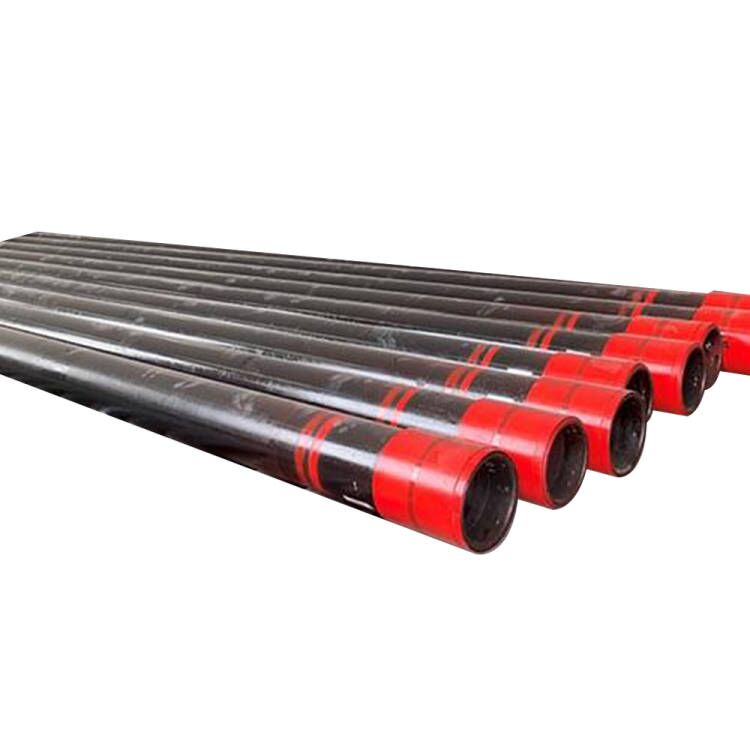
Overview of API 5ct Carbon Steel Pipe: Applications, Specifications, and Benefits
API 5CT carbon Steel Pipes play a pivotal role in various industries, offering robust solutions for critical applications where strength, durability, and reliability are paramount. These Pipes adhere to stringent standards set by the American Petroleum Institute (API), ensuring they meet the rigorous demands of Oil and Gas exploration, extraction, and transportation.
API 5CT carbon steel pipes are designed to withstand harsh operating conditions, including high pressures and corrosive environments. Their composition, typically featuring carbon and manganese elements, provides excellent mechanical properties such as tensile strength and toughness. This makes them suitable for use in both onshore and offshore oil drilling operations, where they are employed in Well Casing, Tubing, and line pipes.
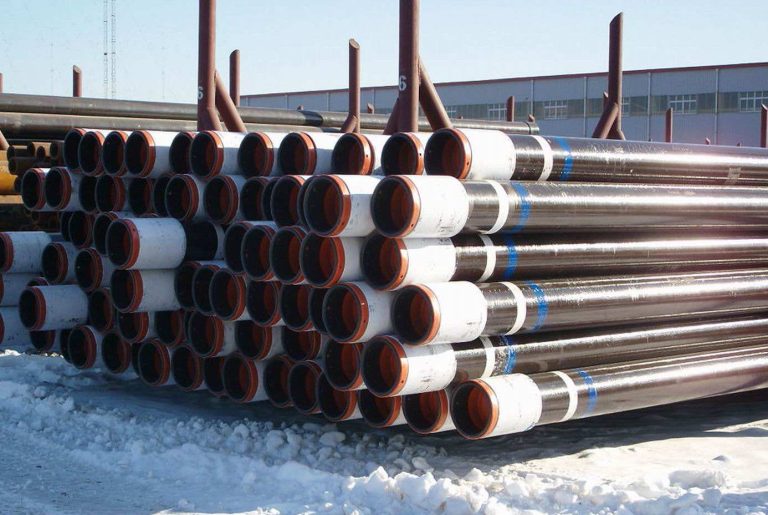
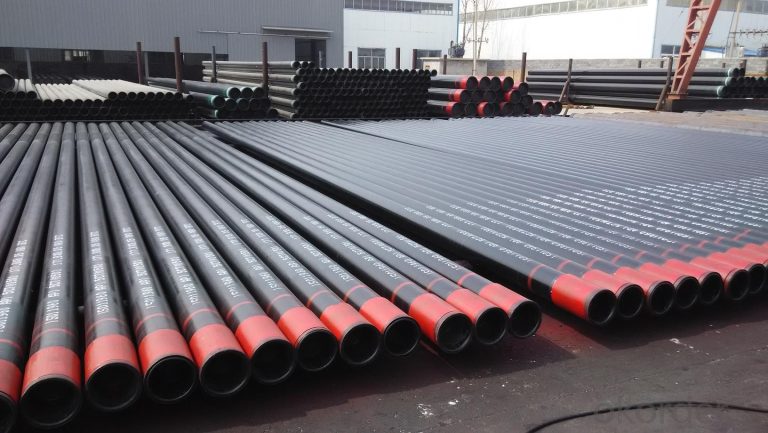
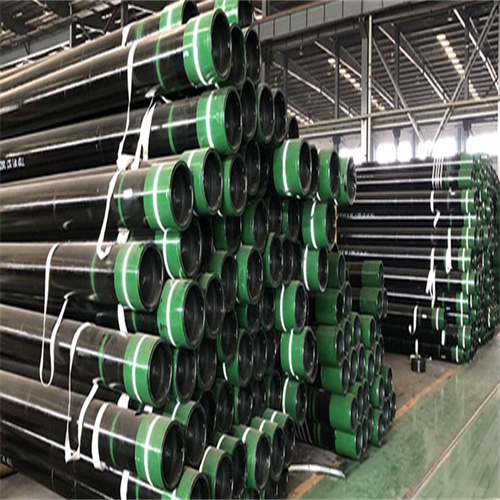
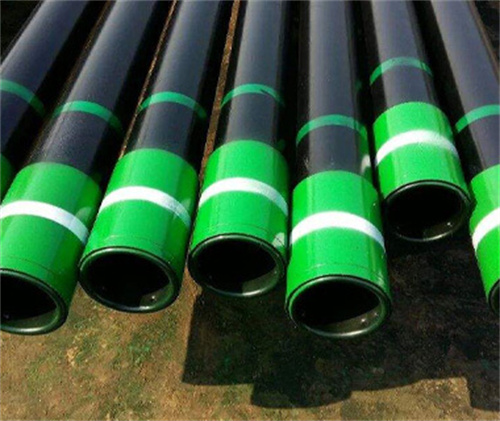
api 5ct l80 CASING Best chinese wholesalers
The manufacturing process of API 5CT carbon steel pipes involves precision engineering to meet exacting specifications. These pipes are often produced through seamless or welded methods, with each approach offering distinct advantages depending on the application requirements. Seamless Pipes are known for their uniformity and ability to withstand higher pressure, while Welded Pipes are cost-effective and suitable for less demanding environments.
One of the notable grades within the API 5CT standard is Grade L80. This grade is known for its high resistance to cracking and excellent mechanical properties, making it a preferred choice for critical operations. API 5CT Grade L80 pipes are often utilized in environments where high yield strength and resistance to corrosion are essential, such as in Oil Wells subjected to sour gas conditions.

The versatility of API 5CT carbon steel pipes extends beyond the oil and gas industry. These pipes find applications in various sectors, including Construction, manufacturing, and infrastructure development. Their ability to withstand extreme temperatures and pressures makes them ideal for conveying fluids and gases across long distances with minimal risk of Leakage or structural failure.
In recent years, advancements in manufacturing technology have further enhanced the performance of API 5CT carbon steel pipes. Laser welding, for instance, has emerged as a preferred method for producing high-quality welded pipes. This process ensures precise control over weld bead geometry and minimizes heat-affected zones, resulting in pipes with superior mechanical properties and enhanced resistance to fatigue and cracking.
The adoption of API 5CT carbon steel pipes is driven not only by their mechanical attributes but also by their economic benefits. These pipes offer a cost-effective solution compared to alternatives, thanks to their durability and long service life. Their reliability translates into reduced Maintenance costs and downtime, contributing to overall operational efficiency for industries reliant on continuous production.
Looking ahead, the demand for API 5CT carbon steel pipes is expected to grow as industries contiNue to prioritize safety, efficiency, and sustainability. Ongoing research and development efforts aim to further improve the performance and environmental footprint of these pipes, ensuring they remain at the forefront of modern engineering solutions.
In conclusion, API 5CT carbon steel pipes stand as a cornerstone in industries requiring robust, reliable piping solutions. Their adherence to stringent standards, coupled with their superior mechanical properties and diverse applications, underscores their importance in modern infrastructure and industrial operations. As technology advances and demands evolve, these pipes will continue to play a pivotal role in shaping the future of global engineering and manufacturing practices.