Petroleum Engineering Applications of Oil Casing
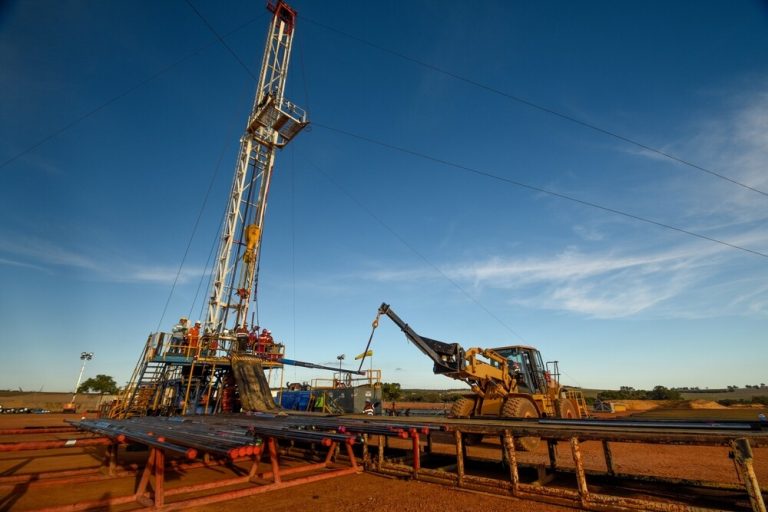
In the realm of petroleum engineering, the utilization of oil casing stands as a cornerstone in ensuring the efficient and safe extraction of Oil and Gas resources from deep beneath the Earth’s surface. Oil casing, a crucial component in drilling operations, finds its application across several recognized fields within the Petroleum Industry.
Oil casing serves multiple pivotal roles throughout the drilling process. Primarily, it provides structural integrity to the wellbore, safeguarding it against collapses and preventing the formation from caving in. This foundational function is essential in both vertical and horizontal wells, where the casing supports the Weight of the surrounding geological formations and maintains the integrity of the well during drilling and production phases.
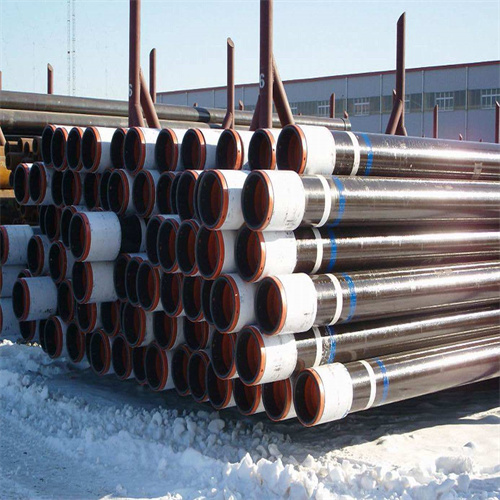
Furthermore, oil casing acts as a conduit for the extraction of hydrocarbons. By encasing the wellbore, it creates a pathway through which oil and gas can be safely transported from the reservoir to the surface. This ensures that the extracted resources reach the surface efficiently and without contamination from surrounding geological formations or groundwater.
In offshore drilling operations, oil casing plays a critical role in protecting the well from the corrosive effects of seawater and other harsh environmental conditions. The casing Materials and design are carefully cHosen to withstand these challenges, ensuring the longevity and safety of offshore wells.
Oil casing is also indispensable in the context of well completion and production. Once drilling is complete, casing provides a conduit for the installation of production Tubing and other equipment necessary for extracting oil and gas. It serves as a stable platform for downhole Tools and instruments used in well intervention and Maintenance operations.
In unconventional oil and gas production, such as hydraulic fracturing (fracking), oil casing assumes additional significance. It facilitates the injection of fracturing fluids into the reservoir and the subsequent extraction of hydrocarbons from the fractured rock formations. The casing design in these operations is tailored to withstand the high pressures and temperatures associated with fracking, ensuring the safety and efficiency of the extraction process.
Moreover, oil casing is instrumental in environmental protection measures. It helps in isolating and containing fluids within the well, thereby minimizing the risk of groundwater contamination and environmental damage. Modern casing technologies incorporate advanced materials and engineering practices aimed at enhancing environmental stewardship and sustainability in oil and gas operations.
In conclusion, the application of oil casing spans across various recognized fields within petroleum engineering, each contributing to the overall efficiency, safety, and sustainability of oil and gas extraction operations. From providing structural integrity and facilitating hydrocarbon extraction to withstanding harsh environmental conditions and ensuring environmental protection, oil casing plays a pivotal role in the modern energy landscape. As technology advances and new challenges emerge, the evolution of oil casing contiNues to drive innovation and improve the effectiveness of petroleum engineering practices worldwide.
Geothermal Energy Applications of Oil Casing
In which recognized fields is oil casing utilized?
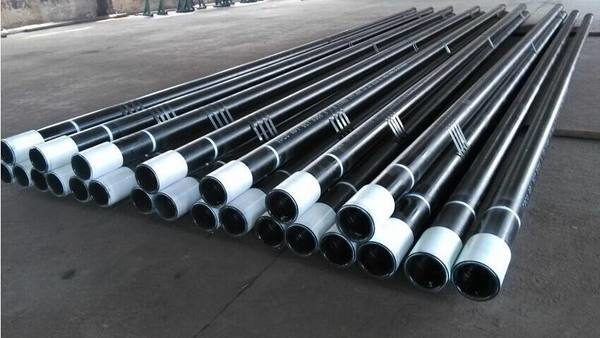
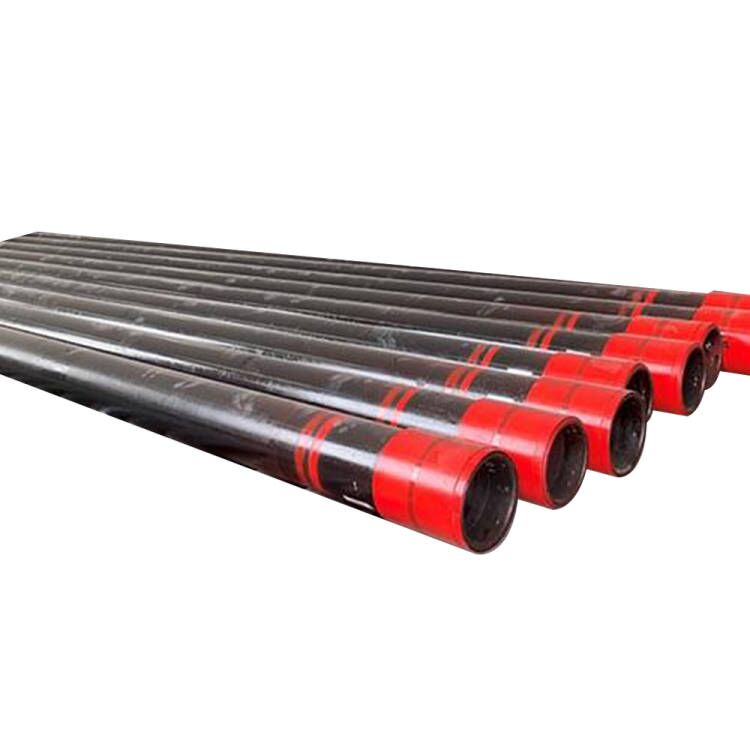
API 5ct J55 CASING Best chinese Company
Oil casing, a critical component in the extraction and transportation of oil and gas, finds diverse applications beyond the traditional realms of fossil fuel industries. One notable area where oil casing plays a significant role is in geothermal energy extraction. Geothermal energy, harnessing the natural heat of the Earth to generate electricity and heat buildings, relies on robust infrastructure to access and utilize subterranean heat reservoirs efficiently.
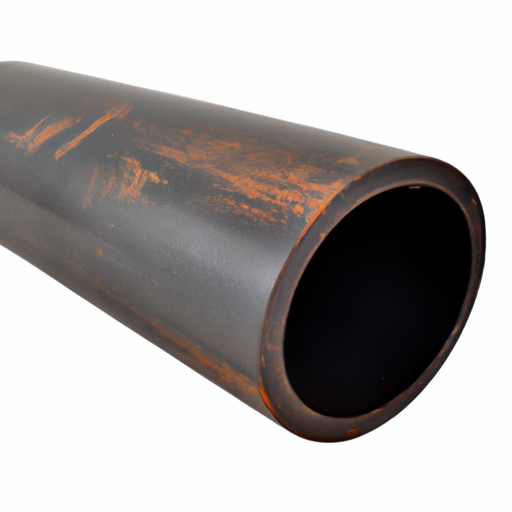
Oil casing, typically made of Steel and designed to withstand high pressures and temperatures, is adapted for geothermal applications due to its strength and durability. In geothermal drilling, casing serves several crucial functions. It reinforces the wellbore, preventing collapse and maintaining the integrity of the drilled hole. This stability is paramount as geothermal wells can extend thousands of meters underground, penetrating through various geological formations.
Moreover, oil casing in geothermal applications provides isolation between different geological layers. This isolation is essential for preventing contamination of fluids and ensuring that the extracted geothermal fluids are pure and uncontaminated by external elements. The casing also facilitates the injection of fluids into specific reservoirs for enhanced geothermal system (EGS) projects, where fluids are circulated underground to create or enhance heat exchange processes.
The utilization of oil casing in geothermal energy exemplifies the adaptability of industrial technologies across different sectors. While originally developed for the oil and gas industry, the casing’s robust design and material properties make it ideal for the challenging conditions encountered in geothermal reservoirs. These reservoirs often involve high temperatures, corrosive environments, and substantial pressure differentials\\u2014all conditions for which oil casing is engineered to withstand.
https://youtube.com/watch?v=t4JR3TPOt7gFurthermore, the deployment of oil casing in geothermal projects contributes to the sustainability of energy production. By enabling efficient geothermal extraction, casing supports the development of renewable energy sources that reduce reliance on fossil fuels and mitigate environmental impacts associated with conventional energy generation.
In practical terms, the application of oil casing in geothermal energy extends beyond mere technical adaptation. It underscores the interconnectedness of industries and the transfer of technological expertise across disciplines. Engineers and researchers leverage insights and innovations from oil and gas drilling practices to enhance geothermal operations, thereby driving advancements in both fields.
The integration of oil casing into geothermal energy projects also highlights ongoing efforts to optimize resource utilization and expand renewable energy capacities. As global energy demands evolve and climate concerns intensify, technologies like oil casing play a pivotal role in facilitating the transition towards cleaner, more sustainable energy solutions.
In conclusion, the utilization of oil casing in geothermal energy applications exemplifies its versatility and critical role in supporting diverse industrial sectors beyond traditional oil and gas extraction. By providing structural integrity, fluid isolation, and operational reliability in geothermal drilling operations, oil casing contributes significantly to the development of renewable energy sources and the broader goals of energy sustainability. As technological advancements continue to drive innovation, the cross-sectoral application of industrial tools like oil casing underscores their enduring relevance in shaping the future of energy production and environmental stewardship.