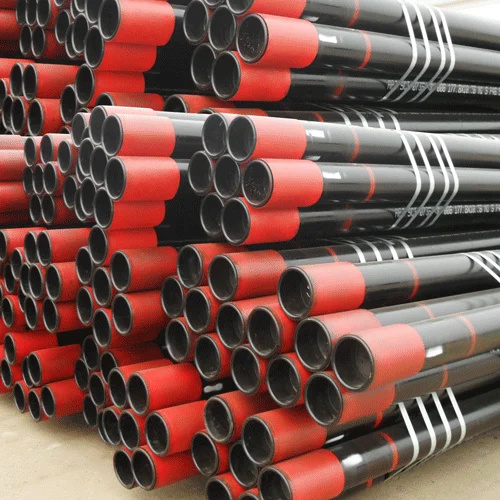
Importance of Collapse Analysis in high-Temperature Casing Design
Collapse Analysis of the Casing in a High Temperature
In the realm of Oil and Gas exploration, the design and integrity of Well Casings are of paramount importance. These casings serve as a protective barrier, ensuring the safety and efficiency of drilling operations. Particularly in high-temperature environments, where the casing is subjected to extreme conditions, the need for thorough collapse analysis cannot be overstated.
One of the key reasons why collapse analysis is crucial in high-temperature casing design is to prevent catastrophic failures. The casing is exposed to significant pressure from the surrounding formations, and any weakness or flaw in its structure can lead to collapse, compromising the wellbore integrity. By conducting a detailed collapse analysis, engineers can identify potential weak points in the casing design and take proactive measures to reinforce these areas, thereby reducing the risk of failure.

Moreover, collapse analysis plays a vital role in optimizing the design of the casing to withstand the harsh conditions of high-temperature environments. By simulating the effects of pressure, temperature, and other external factors on the casing Material, engineers can determine the maximum load that the casing can bear before collapsing. This information is essential for selecting the appropriate casing material and dimensions to ensure the longevity and reliability of the well.
Furthermore, collapse analysis helps in enhancing the overall efficiency of drilling operations in high-temperature environments. By accurately predicting the collapse resistance of the casing, engineers can optimize the drilling process, minimize downtime, and reduce costs associated with Repairs and replacements. This proactive approach not only improves operational efficiency but also enhances safety standards on the drilling site.
Another critical aspect of collapse analysis in high-temperature casing design is its role in regulatory compliance. Regulatory bodies impose stringent requirements on well Construction and integrity to safeguard the environment and public health. By conducting thorough collapse analysis and demonstrating compliance with industry standards, operators can ensure that their drilling operations meet the necessary regulatory criteria, thereby avoiding potential legal issues and penalties.
In addition to these practical considerations, collapse analysis also contributes to the advancement of engineering knowledge and innovation in the field of well construction. By studying the behavior of casings under extreme conditions, researchers can develop new materials, technologies, and methodologies to enhance the performance and durability of wellbore systems in high-temperature environments. This continuous cycle of analysis, innovation, and implementation drives progress in the industry and paves the way for safer and more sustainable drilling practices.
In conclusion, collapse analysis is a fundamental aspect of high-temperature casing design that offers a multitude of benefits, ranging from risk mitigation and operational efficiency to regulatory compliance and technological advancement. By investing in comprehensive collapse analysis processes, operators can ensure the integrity and reliability of their well casings, ultimately contributing to the success and sustainability of oil and gas exploration in challenging environments.
Key Factors Influencing Casing Collapse in High-Temperature Environments
Casing collapse in high-temperature environments is a critical concern in the oil and gas industry, where downhole equipment is subjected to extreme conditions. Understanding the key factors influencing casing collapse is essential for ensuring the integrity and safety of well operations. In this article, we will delve into the complex dynamics of casing collapse in high-temperature environments and explore the various factors that contribute to this phenomenon.
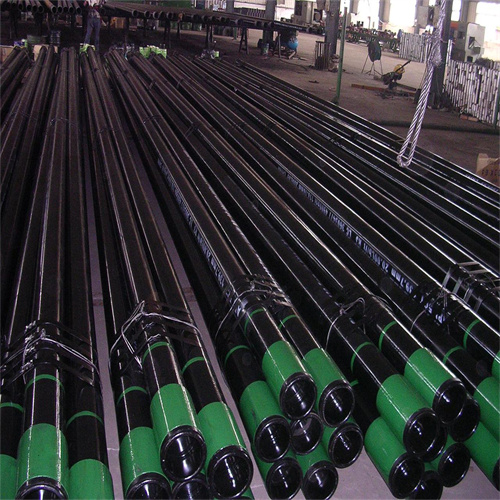
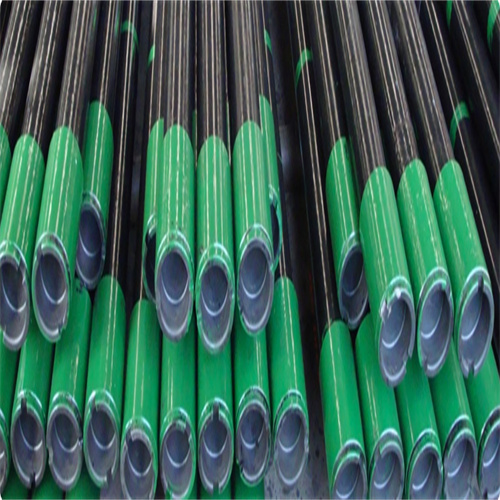
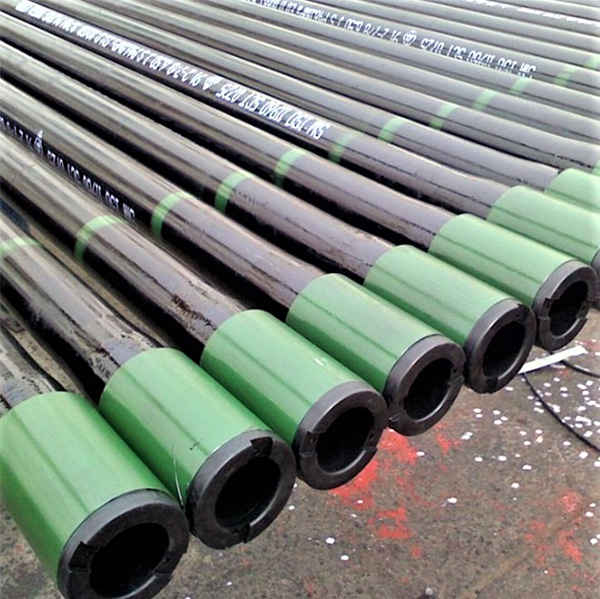
One of the primary factors influencing casing collapse in high-temperature environments is the mechanical properties of the casing material. Casing Pipes are typically made of Steel, which is cHosen for its strength and durability. However, at high temperatures, the mechanical properties of steel can be significantly altered. Elevated temperatures can lead to a reduction in the yield strength and ultimate tensile strength of the material, making it more susceptible to collapse under external pressure.
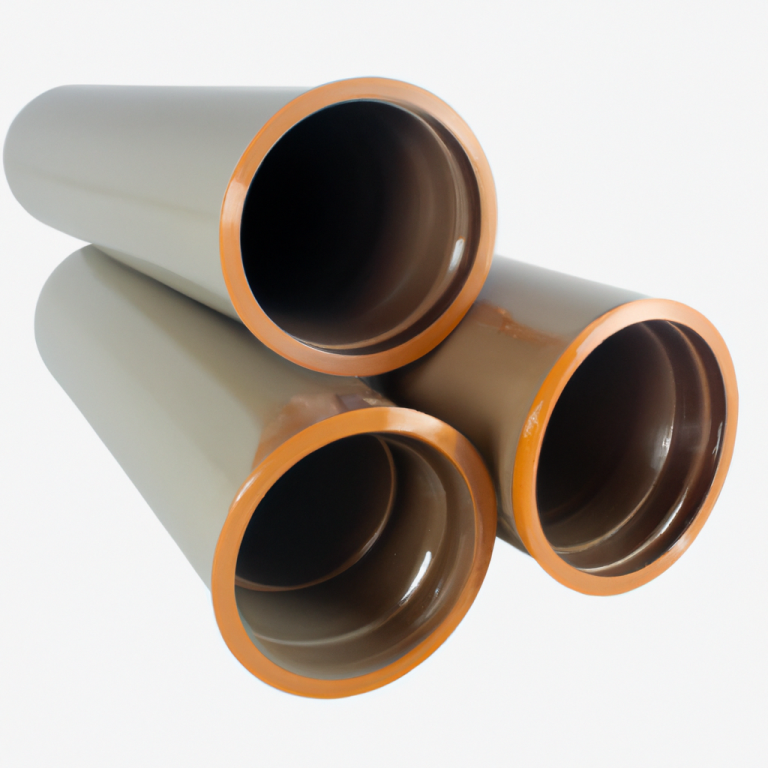
Another critical factor to consider is the design and dimensions of the casing. The Wall thickness, Diameter, and Length of the casing pipe play a crucial role in determining its collapse resistance. In high-temperature environments, thermal expansion can cause the casing to deform, putting additional stress on the material. Improper casing design or inadequate wall thickness can exacerbate this problem, leading to premature collapse.
Rubber Packer for OilfieldThe operating conditions of the well also play a significant role in casing collapse. High-pressure and high-temperature (HPHT) wells are particularly prone to casing failure due to the extreme conditions they are subjected to. The combination of high pressure and elevated temperatures can cause the casing to deform and buckle, compromising the structural integrity of the wellbore.
Furthermore, the presence of corrosive fluids in the wellbore can accelerate casing collapse. Corrosion weakens the structural integrity of the casing, making it more susceptible to collapse under external pressure. In high-temperature environments, the rate of corrosion can increase significantly, further compromising the casing’s integrity.
Proper Cementing and zonal isolation are essential for preventing casing collapse in high-temperature environments. A well-cemented casing provides additional support and helps distribute the external pressure more evenly along the length of the casing. Inadequate cementing or poor zonal isolation can create weak points in the casing, increasing the risk of collapse.
In conclusion, casing collapse in high-temperature environments is a complex phenomenon influenced by multiple factors. Understanding the mechanical properties of the casing material, proper casing design, operating conditions, corrosion, and cementing practices are crucial for mitigating the risk of collapse. By addressing these key factors, operators can ensure the integrity and longevity of well operations in high-temperature environments.