Importance of Proper technical Evaluation in Oil Casing Resource Conservation
Oil casing resource conservation is a critical aspect of the Oil and Gas industry, as it plays a significant role in ensuring the sustainability of oil production. Proper technical evaluation is essential in this process, as it helps in determining the most efficient and effective methods for conserving oil casing resources. By evaluating the technical context of oil casing resource conservation, Companies can identify potential areas for improvement and implement strategies to optimize resource utilization.
One of the key reasons why proper technical evaluation is important in oil casing resource conservation is that it helps in identifying potential risks and challenges that may impact the efficiency of resource utilization. By conducting a thorough evaluation of the technical context, companies can assess the condition of oil casing resources, identify potential areas of weakness, and develop strategies to mitigate risks. This proactive approach can help in preventing potential issues that may arise during the production process, thereby ensuring the Smooth operation of oil casing resources.
Furthermore, proper technical evaluation can help in optimizing resource utilization by identifying opportunities for improvement and implementing innovative solutions. By analyzing the technical context of oil casing resource conservation, companies can identify areas where resource utilization can be optimized, such as through the use of advanced technologies or the implementation of best practices. This can help in maximizing the efficiency of resource utilization and reducing waste, ultimately leading to cost savings and improved sustainability.
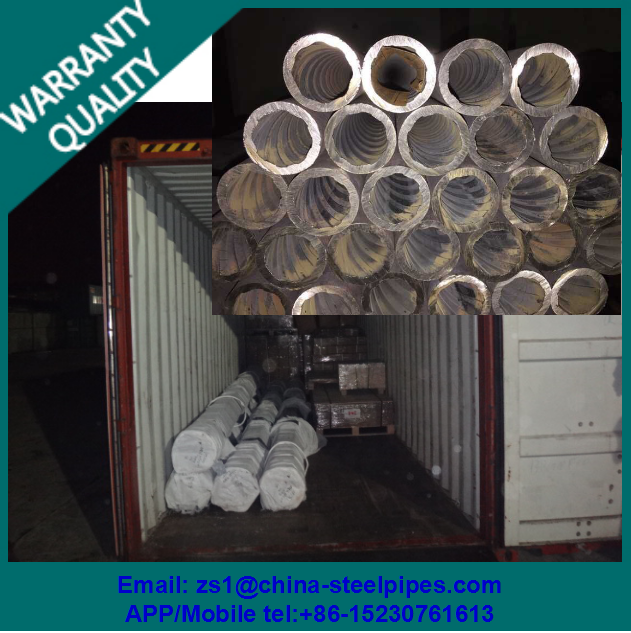 In addition, proper technical evaluation can help in ensuring compliance with regulatory requirements and industry standards. By evaluating the technical context of oil casing resource conservation, companies can ensure that their operations are in line with regulatory requirements and industry standards. This can help in preventing potential legal issues and reputational damage, as well as in demonstrating a commitment to sustainability and responsible resource management.
https://youtube.com/watch?v=D_Qa6QOUvT0
Overall, proper technical evaluation is essential in oil casing resource conservation as it helps in identifying potential risks, optimizing resource utilization, and ensuring compliance with regulatory requirements. By conducting a thorough evaluation of the technical context, companies can develop strategies to improve the efficiency of resource utilization and enhance the sustainability of oil production. This proactive approach can help in ensuring the long-term viability of oil casing resources and the contiNued success of the oil and gas industry.
Best Practices for Evaluating Technical Context in Oil Casing Resource Conservation
Oil casing resource conservation is a critical aspect of the oil and gas industry, as it plays a significant role in ensuring the sustainability of oil production operations. In order to effectively conserve oil casing resources, it is essential to evaluate the technical context in which these resources are utilized. This evaluation process involves assessing various factors that impact the conservation of oil casing resources, such as the design and Construction of Oil Wells, the Materials used in casing production, and the operational practices employed during drilling and production activities.
| No. | Commodity Name |
| 1 | seamless tubes |
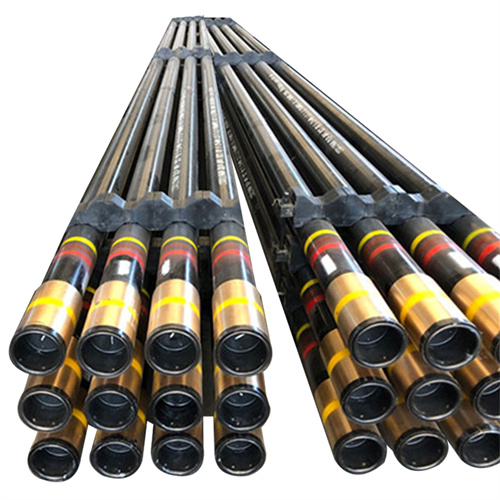
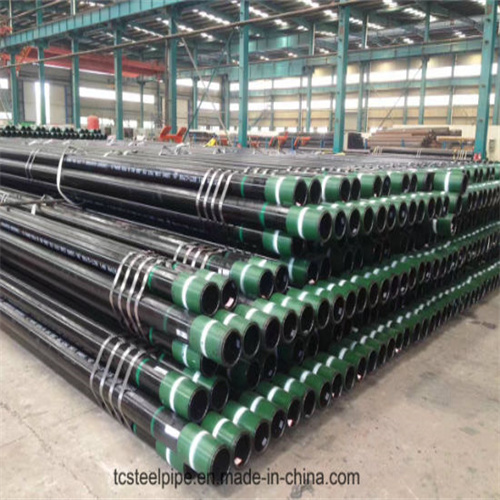
nippon Steel Seamless PipeOne of the key considerations in evaluating the technical context of oil casing resource conservation is the design and construction of oil wells. The design of oil wells can have a significant impact on the efficiency and effectiveness of casing resource conservation efforts. For example, wells that are poorly designed may require more frequent casing replacements, leading to increased resource consumption and higher costs. By evaluating the design of oil wells, operators can identify opportunities to optimize casing usage and improve resource conservation practices.
Another important factor to consider when evaluating the technical context of oil casing resource conservation is the materials used in casing production. The choice of casing materials can have a significant impact on the longevity and durability of oil wells, as well as the overall efficiency of resource conservation efforts. By selecting high-quality materials that are resistant to corrosion and wear, operators can extend the lifespan of oil casing resources and reduce the need for frequent replacements.
In addition to evaluating the design and materials used in casing production, it is also important to assess the operational practices employed during drilling and production activities. Operational practices such as casing installation techniques, Cementing procedures, and well Maintenance protocols can all impact the conservation of oil casing resources. By implementing best practices and adhering to industry standards, operators can minimize resource consumption and maximize the efficiency of casing utilization.
Transitional phrases such as “in addition to,” “for example,” and “by evaluating” can help guide the reader through the evaluation process and highlight the key factors that impact oil casing resource conservation. By considering the technical context in which oil casing resources are utilized, operators can identify opportunities to improve resource conservation practices and enhance the sustainability of oil production operations.
In conclusion, the evaluation of the technical context in oil casing resource conservation is essential for optimizing resource utilization and promoting sustainability in the oil and gas industry. By assessing factors such as well design, casing materials, and operational practices, operators can identify opportunities to improve resource conservation efforts and reduce the environmental impact of oil production activities. By implementing best practices and adhering to industry standards, operators can enhance the efficiency and effectiveness of oil casing resource conservation, ultimately leading to a more sustainable and environmentally responsible oil and gas industry.