Enhanced Efficiency through Advanced Technology Integration in Oil Casing production
Optimization in oil casing production is a critical aspect of the Oil and Gas industry, where efficiency and precision are paramount. In recent years, production businesses have been increasingly focusing on implementing strategies that enhance efficiency through the integration of advanced technologies. This shift towards technological advancements has revolutionized the way oil casing production is approached, leading to improved productivity, cost-effectiveness, and overall operational excellence.
One of the key strategies employed by production businesses to optimize oil casing production is the utilization of advanced data analytics and machine learning algorithms. By harnessing the power of big data, Companies can analyze vast amounts of information to identify patterns, trends, and potential areas for improvement. This data-driven approach enables businesses to make informed decisions, streamline processes, and optimize production workflows for maximum efficiency.
Furthermore, the integration of Internet of Things (IoT) devices and sensors in oil casing production facilities has enabled real-time monitoring and control of various parameters such as temperature, pressure, and flow rates. This real-time data collection allows businesses to proactively identify and address issues before they escalate, minimizing downtime and maximizing productivity. Additionally, IoT devices facilitate predictive Maintenance, ensuring that equipment is serviced and maintained at optimal intervals to prevent costly breakdowns.
Another crucial aspect of optimization in oil casing production is the adoption of automation and robotics. By automating repetitive tasks and integrating robotic systems into production processes, businesses can significantly increase efficiency, reduce human error, and enhance safety in the workplace. Robotic systems can perform tasks with precision and consistency, leading to higher quality products and faster production cycles.
Moreover, the implementation of advanced manufacturing technologies such as 3D printing and additive manufacturing has revolutionized the way oil casing components are produced. These technologies enable businesses to create complex geometries with high precision, reduce Material waste, and accelerate the prototyping and production processes. By leveraging 3D printing, companies can customize casing components to meet specific requirements, leading to more efficient and cost-effective production.
In addition to technological advancements, production businesses are also focusing on sustainability and environmental stewardship in oil casing production. By implementing eco-friendly practices such as recycling waste materials, reducing energy consumption, and minimizing carbon emissions, companies can not only optimize their production processes but also contribute to a greener and more sustainable future.
Overall, the integration of advanced technologies and focused strategies in oil casing production is driving significant improvements in efficiency, productivity, and sustainability. By embracing innovation and continuously seeking ways to optimize production processes, businesses can stay ahead of the curve in the competitive oil and gas industry. Through a combination of data analytics, IoT devices, automation, advanced manufacturing technologies, and a commitment to sustainability, production businesses can achieve operational excellence and position themselves for long-term success in the dynamic world of oil casing production.
Sustainable Cost Reduction Techniques for Improved Profit Margins in Production Businesses
Optimization in oil casing production is a critical aspect of the production process for businesses in the oil and gas industry. The efficient production of oil casings plays a significant role in ensuring the Smooth operation of Oil Wells and maximizing overall productivity. In today’s competitive market, companies are constantly seeking ways to enhance their production processes while reducing costs to improve profit margins. Sustainable cost reduction techniques are essential for businesses to remain competitive and profitable in the long run.
One of the key strategies for optimizing oil casing production is the implementation of advanced technology and automation. By leveraging cutting-edge technologies such as robotics, artificial intelligence, and data analytics, companies can streamline their production processes, minimize human error, and increase efficiency. Automation not only speeds up production but also reduces labor costs, leading to significant cost savings in the long term.
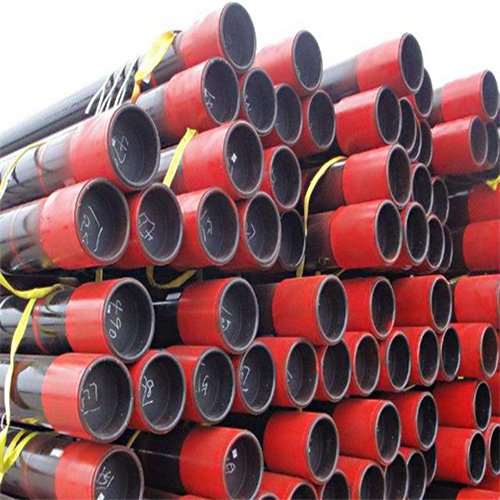
Furthermore, adopting a lean manufacturing approach can help businesses eliminate waste and improve overall efficiency in oil casing production. By identifying and eliminating non-value-added activities, companies can optimize their production processes and reduce unnecessary costs. Lean principles such as continuous improvement and waste reduction can drive sustainable cost savings and enhance the overall profitability of the business.
Another crucial aspect of optimizing oil casing production is effective supply chain management. By establishing strong relationships with Suppliers, businesses can negotiate better Prices for raw materials and components, thereby reducing production costs. Just-in-time inventory management can also help minimize inventory holding costs and improve cash flow, leading to cost savings that directly impact the bottom line.
branch Pipe Best chinese Factory
Moreover, investing in employee training and development is essential for optimizing oil casing production. Well-trained and skilled employees are more efficient in their roles, leading to higher productivity and quality output. By providing ongoing training and upskilling opportunities, businesses can ensure that their workforce remains competitive and capable of meeting the demands of a r APIdly evolving industry.
In addition to technological advancements and process improvements, sustainability initiatives can also play a significant role in optimizing oil casing production. Implementing environmentally friendly practices not only reduces the environmental impact of production processes but can also result in cost savings. For example, using renewable energy sources and recycling materials can lower energy costs and waste disposal expenses, contributing to sustainable cost reduction and improved profit margins.
Overall, sustainable cost reduction techniques are essential for production businesses looking to optimize their oil casing production processes and enhance profitability. By leveraging advanced technologies, implementing lean manufacturing principles, optimizing the supply chain, investing in employee development, and embracing sustainability initiatives, companies can achieve long-term success in a competitive market. By focusing on efficiency, cost-effectiveness, and sustainability, businesses can position themselves for growth and profitability in the dynamic oil and gas industry.