Joy in Choosing the Right Oil Casing: A Guide for Engineers
Choosing the right oil casing can be a daunting task for engineers, given its critical role in oil well integrity and productivity. The decision involves balancing technical specifications with operational demands to ensure efficiency and reliability throughout the well’s lifecycle. This article aims to provide clarity and guidance, alleviating the stress often associated with this crucial decision.
Fundamentally, the selection of oil casing revolves around several key factors. Firstly, engineers must consider the geological conditions of the drilling site. The casing Material and design must be robust enough to withstand the pressures, temperatures, and corrosive elements present in the subsurface environment. This necessitates a thorough assessment of the formation characteristics, including depth, formation stability, and potential for fluid influxes.
Beyond geological considerations, mechanical properties play a pivotal role. The casing must possess adequate strength to support the Weight of the overlying rock formations and withstand internal and external pressures during drilling, completion, and production phases. Factors such as collapse resistance, burst strength, and tensile strength are meticulously evaluated to ensure the casing can endure the demanding conditions encountered in oil extraction operations.
Moreover, corrosion protection is paramount in extending the casing’s service life and maintaining operational integrity. Engineers evaluate various corrosion-resistant materials and coatings to mitigate the effects of chemical reactions with formation fluids and Gases. This proactive approach not only enhances safety but also minimizes costly downtime associated with casing failure or degradation over time.
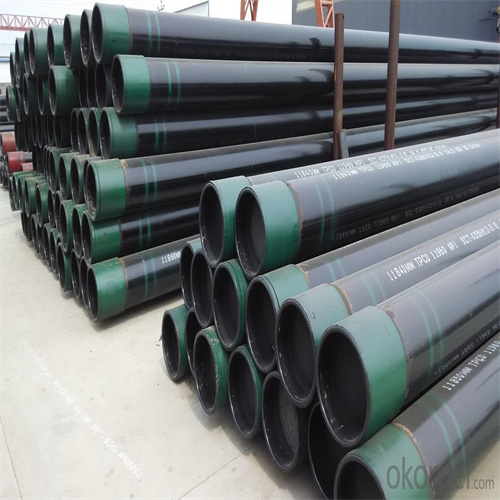
API 5ct C110 CASING chinese Best wholesalerIn addition to technical specifications, logistical considerations influence casing selection. Factors such as casing size, weight, and compatibility with drilling equipment and procedures are carefully weighed to optimize operational efficiency. Engineers must ensure that the cHosen casing facilitates Smooth installation, Cementing, and subsequent operations without compromising safety or productivity.
Furthermore, advancements in casing design and materials offer engineers a broader spectrum of options tailored to specific operational challenges. innovations such as premium Connections, enhanced collapse-resistant alloys, and advanced welding techniques provide opportunities to optimize casing performance and reliability in diverse drilling environments.
The decision-making process is further enriched by collaboration with multidisciplinary teams comprising geologists, drilling engineers, metallurgists, and field operators. This holistic approach fosters comprehensive problem-solving and ensures that all perspectives are considered to mitigate risks and enhance decision quality.
Ultimately, selecting the right oil casing transcends technical proficiency; it embodies a commitment to operational excellence and environmental stewardship. Engineers play a pivotal role in aligning technological advancements with industry standards and regulatory requirements to promote sustainable and responsible resource extraction practices.
In conclusion, while the task of selecting oil casing may seem daunting, it is also an opportunity for engineers to demonstrate expertise, creativity, and resilience in overcoming challenges. By prioritizing geological insights, mechanical robustness, corrosion protection, logistical efficiency, and collaborative synergy, engineers can navigate the complexities of casing selection with confidence and achieve optimal outcomes for Oil Well integrity and productivity.
Bravery in Decision-Making: How to Navigate Oil Casing Selection with Confidence
Navigating the complexities of oil casing selection can be a daunting task for engineers and project managers alike. The choice of casing is crucial as it directly impacts the efficiency, safety, and longevity of oil wells. From technical specifications to environmental considerations, each decision must be made with meticulous care to ensure optimal performance and minimal environmental impact.
Firstly, understanding the geological characteristics of the drilling site is fundamental. Different formations require different types of casing materials and designs. For instance, shale formations may necessitate stronger casing to withstand higher pressures and potential fracturing, whereas sandstone formations might allow for less robust casing materials. Engineers must analyze geological surveys and historical data to anticipate these challenges and select appropriate casing grades and sizes.
Moreover, the corrosive nature of Oil and Gas environments poses a significant challenge to casing integrity. Choosing corrosion-resistant materials such as Stainless Steel or specialized alloys can mitigate this risk, extending the operational life of the well and reducing Maintenance costs. Factors like pH levels, presence of hydrogen sulfide, and temperature variations must all be considered in this decision-making process.
Cost-efficiency is another critical factor in oil casing selection. While high-grade materials offer superior performance, they come at a higher initial cost. Engineers must balance the upfront investment with long-term operational benefits to achieve the best economic outcome for the project. This involves conducting thorough cost-benefit analyses and considering factors such as well depth, expected production lifespan, and regulatory requirements.
Environmental considerations cannot be overlooked either. Responsible casing selection includes minimizing environmental impact through proper waste disposal, emission control, and adherence to regulatory standards. Sustainable practices not only ensure compliance but also enhance corporate reputation and contribute to long-term environmental stewardship.
In addition to technical and environmental factors, regulatory compliance plays a pivotal role in oil casing selection. Laws and regulations vary across jurisdictions, influencing casing design, materials, and installation techniques. Engineers must stay abreast of regulatory updates and work closely with legal advisors to ensure full compliance throughout the project lifecycle.
Effective communication and collaboration are essential for successful casing selection. Engineers, geologists, regulatory experts, and project managers must work together seamlessly, sharing insights and addressing concerns to make informed decisions. This interdisciplinary approach fosters innovation and ensures that all perspectives are considered in the decision-making process.
Ultimately, navigating oil casing selection requires a blend of technical expertise, strategic thinking, and proactive risk management. By embracing these challenges with confidence and diligence, engineers can optimize well performance, enhance safety standards, and achieve operational excellence. Each decision made contributes to the resilience and sustainability of oil and gas operations, paving the way for future advancements in the industry.
In conclusion, while the process of oil casing selection may seem daunting, it presents an opportunity for engineers to demonstrate bravery in decision-making. By leveraging technical knowledge, embracing innovation, and prioritizing environmental stewardship, engineers can navigate this complex terrain with confidence. Each well-crafted decision not only supports operational goals but also reinforces the industry’s commitment to excellence and sustainability.
Stability and Reliability: Ensuring Longevity with the Perfect Oil Casing
Selecting the right oil casing is crucial for the stability and reliability of oil wells, ensuring their longevity and performance in challenging conditions. This decision involves meticulous consideration of various factors to mitigate risks and maximize operational efficiency.
The primary function of an oil casing is to provide structural support and prevent the wellbore from collapsing under the immense pressure exerted by geological formations and the weight of drilling fluids. It acts as a conduit for oil extraction while safeguarding the integrity of the well. Hence, choosing the appropriate casing material is fundamental.
Steel remains the material of choice for oil casings due to its exceptional strength, durability, and Corrosion resistance. Carbon steel casings are widely used for conventional oil drilling, offering robustness and cost-effectiveness. For more demanding environments, such as those with high temperatures or corrosive fluids, corrosion-resistant alloys (CRAs) like stainless steel or nickel-based alloys are preferred. These materials ensure longevity and reliability under extreme conditions, reducing maintenance costs and operational downtime.
In addition to material selection, casing design plays a critical role in ensuring stability and reliability. Factors such as casing weight, Wall thickness, and connection type must be carefully evaluated to withstand the mechanical stresses and pressures encountered during drilling and production phases. Advanced computational modeling and simulation techniques aid in optimizing casing designs, ensuring they meet safety standards and operational requirements.
Furthermore, casing installation procedures are pivotal in guaranteeing long-term reliability. Proper casing cementing is essential to secure the casing in place and prevent fluid migration between formations, which could lead to contamination or well instability. Quality assurance measures, including pressure testing and inspection of Casing strings, are conducted to verify integrity and reliability before commencing production.

Ensuring casing integrity throughout the lifecycle of the well is imperative for long-term stability. Regular monitoring and inspection programs detect early signs of corrosion, wear, or mechanical damage, enabling timely interventions to prevent catastrophic failures and extend the operational life of the well. Innovative technologies, such as electromagnetic casing inspection tools and corrosion inhibitors, further enhance reliability and reduce maintenance costs.
Moreover, environmental considerations and regulatory requirements necessitate sustainable practices in casing selection and installation. Choosing recyclable materials and minimizing environmental impact during drilling operations contribute to responsible resource management and regulatory compliance.
In conclusion, the selection of oil casing is not merely a technical decision but a strategic investment in the stability, reliability, and longevity of oil wells. By choosing the right materials, designing robust casings, implementing stringent installation procedures, and adopting proactive maintenance practices, oil operators can ensure optimal performance and mitigate risks in challenging operating environments. Embracing innovation and best practices in casing technology fosters resilience and efficiency in oil production, promising a future of sustainable energy extraction while safeguarding the integrity of natural resources and the environment.