Technological innovations in Oil Casing: What’s Next?
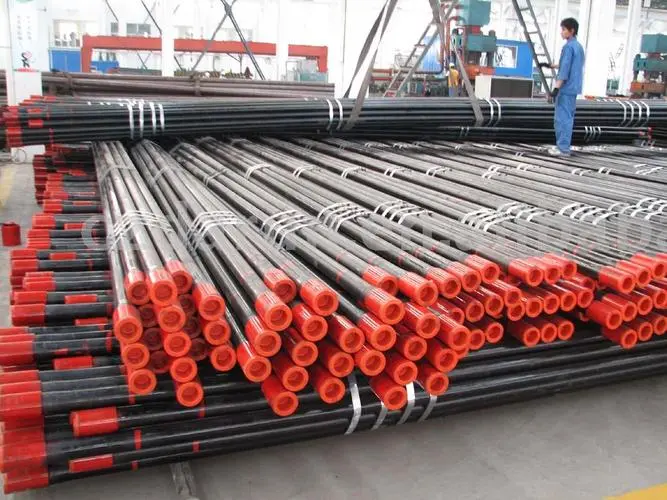
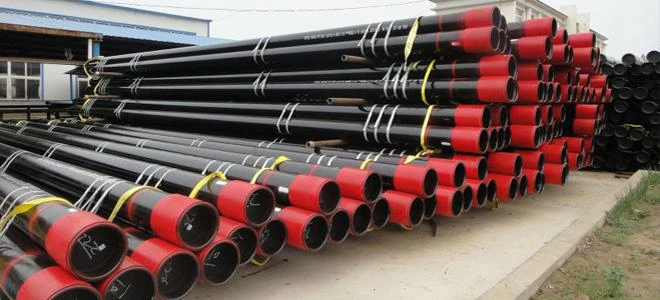
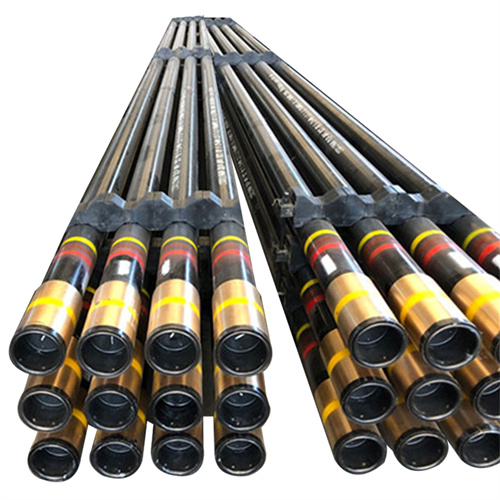
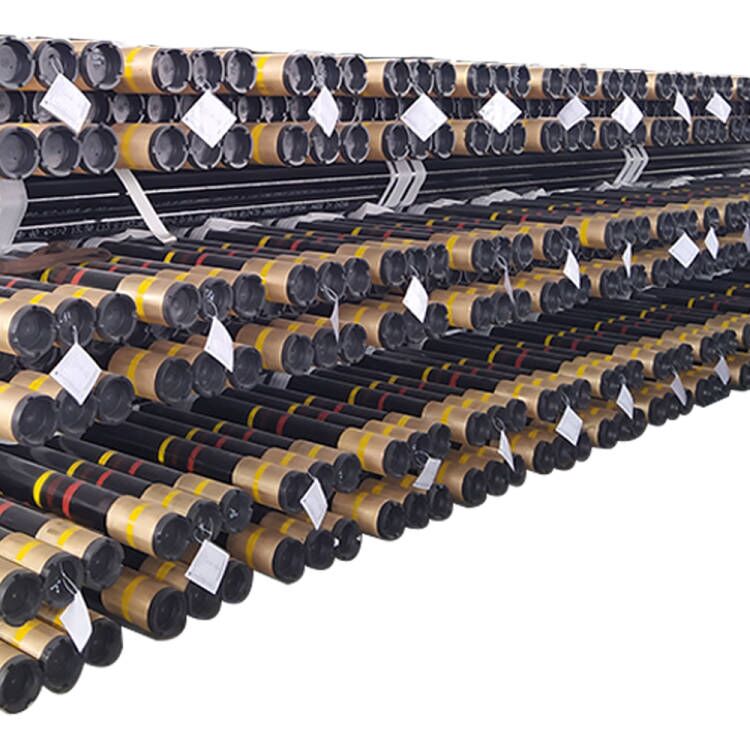
The future of oil casing is evolving with robust advancements in technology, promising enhanced stability and reliability in the Oil and Gas industry. As the demand for energy contiNues to grow, so too does the need for more resilient and efficient infrastructure to extract and transport oil. Oil casing, a critical component in drilling operations, is undergoing significant technological innovations to meet these demands.
Traditionally, oil casing has been primarily made of Steel, designed to withstand the extreme pressures and conditions deep within the earth. However, recent innovations have introduced new Materials and manufacturing techniques aimed at improving the durability and performance of oil casing systems. One such advancement is the development of high-strength alloys that offer superior mechanical properties while maintaining Corrosion resistance. These alloys not only enhance the structural integrity of the casing but also extend its operational lifespan in harsh environments.
Moreover, the integration of advanced manufacturing processes such as 3D printing is revolutionizing the production of oil casing components. This technology allows for the creation of complex geometries and customized designs that optimize performance and efficiency. By leveraging 3D printing, Manufacturers can produce casing with reduced material waste and faster turnaround times, meeting the industry’s growing demand for agility and cost-effectiveness.
Another key area of innovation lies in smart casing technology, which incorporates sensors and monitoring systems directly into the casing structure. These sensors provide real-time data on casing integrity, temperature, pressure, and corrosion levels, enabling proactive Maintenance and early detection of potential issues. By continuously monitoring the condition of the casing, operators can minimize downtime, improve safety, and optimize production output.
Furthermore, advancements in Cementing techniques are enhancing the bonding between the casing and the wellbore wall, crucial for preventing leaks and ensuring environmental safety. New cement formulations and application methods are being developed to improve the Sealing properties and thermal stability of the cement sheath, thereby increasing the overall reliability of the wellbore.
https://youtube.com/watch?v=cfXZde_zGT8In parallel with material and manufacturing advancements, digitalization and automation are transforming how oil casing systems are designed, installed, and maintained. Simulation tools and predictive analytics allow engineers to simulate downhole conditions and optimize casing design for maximum performance. Automated casing running tools and robotics are streamlining the installation process, reducing human error, and enhancing safety on Drilling Rigs.
Looking ahead, the future of oil casing will likely see continued advancements in materials science, manufacturing technologies, and digital innovation. The emphasis will be on developing casing systems that are not only stronger and more durable but also smarter and more responsive to operational needs. As the industry navigates towards more challenging and remote drilling environments, the role of innovative oil casing solutions will be pivotal in ensuring sustainable and efficient energy extraction.
Ultimately, while the future of oil casing is indeed sturdy with these technological advancements, stakeholders must remain vigilant in assessing and trusting the stability of these innovations. Rigorous testing, certification standards, and ongoing research will be essential in validating the performance and reliability of new casing technologies. By embracing these advancements responsibly, the oil and gas industry can continue to meet global energy demands while minimizing environmental impact and ensuring operational safety.
In conclusion, technological innovations in oil casing are paving the way for a more resilient and efficient energy sector. With advancements in materials, manufacturing, digitalization, and smart technologies, the future of oil casing appears promising. However, it is essential for industry stakeholders to exercise diligence in adopting and trusting these innovations to ensure long-term stability and sustainability in oil and gas operations.
Environmental Impact of Sturdy Oil Casing: Myths vs. Reality
The future of oil casing is sturdy. Are you trusting its stability?
In the realm of energy extraction, particularly in oil drilling, the integrity of equipment like oil casing plays a critical role. Oil casing, a robust structure that lines the walls of a wellbore to prevent collapse and potential contamination of groundwater, has evolved significantly over the years. Modern advancements have focused not only on enhancing its structural integrity but also on addressing environmental concerns surrounding its use.
dimensions of Steel PipeOne of the prevailing concerns regarding sturdy oil casing is its environmental impact. Critics often argue that the production and disposal of casing materials contribute significantly to environmental degradation. However, the reality is more nuanced. Manufacturers have increasingly adopted sustainable practices, such as using recycled materials and implementing efficient manufacturing processes to reduce carbon footprints. These efforts aim to mitigate the environmental impact associated with the production phase.
Furthermore, the durability of sturdy oil casing contributes to its environmental benefits. By ensuring the containment of oil and gas within the wellbore, sturdy casing helps prevent leaks and spills that can harm ecosystems and water sources. This containment capability is crucial in safeguarding against environmental disasters, underscoring the importance of reliable casing in sustainable energy practices.
Addressing the misconception that sturdy oil casing perpetuates reliance on fossil fuels is also pertinent. While it supports the extraction of oil and gas, its role in energy transition cannot be overlooked. As the world seeks to diversify its energy mix, oil casing remains essential in accessing hydrocarbon resources efficiently and safely. Moreover, advancements in technology have enabled the industry to explore cleaner extraction methods and improve operational efficiency, thereby reducing overall environmental impact.
The recyclability of materials used in oil casing also contributes to its sustainability profile. Steel, a common material in casing Construction, is highly recyclable, with a significant portion of production utilizing recycled steel. This closed-loop approach minimizes resource consumption and waste generation, aligning with global efforts towards a circular economy.
Critics often raise concerns about the disposal of oil casing after its operational life. However, industry standards and regulations mandate proper handling and disposal procedures to mitigate environmental risks. Techniques such as casing retrieval and recycling further underscore the industry’s commitment to responsible environmental stewardship beyond the operational phase.
Looking ahead, innovation continues to drive the evolution of oil casing technology. Research into advanced materials and manufacturing techniques aims to enhance durability, reduce environmental impact, and improve overall efficiency. Additionally, digital technologies such as real-time monitoring and predictive analytics are transforming maintenance practices, optimizing casing performance, and minimizing downtime.
In conclusion, the future of sturdy oil casing is characterized by reliability, sustainability, and innovation. While challenges and misconceptions persist, ongoing advancements in technology and practices are resh APIng the industry’s environmental footprint. By embracing sustainable practices, enhancing durability, and fostering innovation, the oil and gas sector can continue to play a pivotal role in meeting global energy demands responsibly. As stakeholders navigate the complexities of energy transition, trust in the stability and environmental credentials of sturdy oil casing remains crucial in shaping a sustainable future.
Investing in the Future: Why Oil Casing Stability Matters
The future of oil casing is sturdy. Are you trusting its stability?
In the realm of energy production, few components are as critical as oil casing. These cylindrical structures, typically made of steel, encase oil wells to ensure the integrity of the borehole and protect the surrounding environment. As technology advances and global energy demands evolve, the stability and reliability of oil casing have become paramount concerns for investors and stakeholders alike.
Investing in the future of oil casing stability is not merely a matter of ensuring operational efficiency; it’s about safeguarding investments and mitigating risks in a volatile market. The durability of these casings directly impacts the lifespan and productivity of Oil Wells, influencing profitability and environmental sustainability. As such, understanding the factors that contribute to their stability is crucial.
Advancements in metallurgy and manufacturing techniques have significantly enhanced the strength and resilience of modern oil casings. High-strength steel alloys, engineered to withstand extreme pressures and temperatures deep underground, have replaced conventional materials, offering superior performance and longevity. These alloys undergo rigorous testing and quality control measures to meet stringent industry standards, ensuring reliability in demanding operational environments.
Moreover, technological innovations such as corrosion-resistant coatings and advanced welding methods have further bolstered the durability of oil casing. These innovations not only extend the lifespan of casings but also reduce maintenance costs and enhance operational safety. For investors, these factors translate into reduced downtime and increased return on investment, making the case for prioritizing stability in oil casing investments compelling.
Beyond technical advancements, regulatory frameworks and industry standards play a pivotal role in ensuring the stability of oil casing. Regulatory bodies worldwide enforce strict guidelines on casing design, installation practices, and environmental protection measures to safeguard against leaks, blowouts, and other potential hazards. Compliance with these standards not only fosters operational integrity but also enhances stakeholder confidence and promotes sustainable practices within the industry.
Looking ahead, the future of oil casing stability lies at the intersection of innovation, regulation, and responsible investing. As global energy demands continue to rise, driven by population growth and industrialization, the need for secure and efficient oil extraction methods becomes increasingly pronounced. Investors seeking to capitalize on this demand must prioritize investments in technologies and practices that uphold the highest standards of safety, reliability, and environmental stewardship.
Furthermore, the advent of digitalization and data-driven analytics is poised to revolutionize the monitoring and maintenance of oil casing systems. Real-time data collection and predictive analytics enable proactive decision-making, allowing operators to detect potential issues before they escalate and optimize operational efficiency. This proactive approach not only enhances asset performance but also minimizes risks and maximizes returns for investors.
In conclusion, the future of oil casing is undeniably sturdy, backed by technological innovation, stringent regulations, and a commitment to sustainability. Investing in the stability of oil casing isn’t just a prudent financial decision; it’s a strategic imperative for ensuring long-term profitability and environmental responsibility in the energy sector. By embracing advancements in materials science, engineering, and digital technology, stakeholders can position themselves at the forefront of a resilient and sustainable energy future.
 As global energy dynamics continue to evolve, one thing remains certain: the stability of oil casing will remain a cornerstone of efficient and responsible energy production for years to come. Investors who recognize this pivotal role and invest accordingly stand to reap substantial rewards while contributing to a safer and more sustainable energy landscape for future generations.